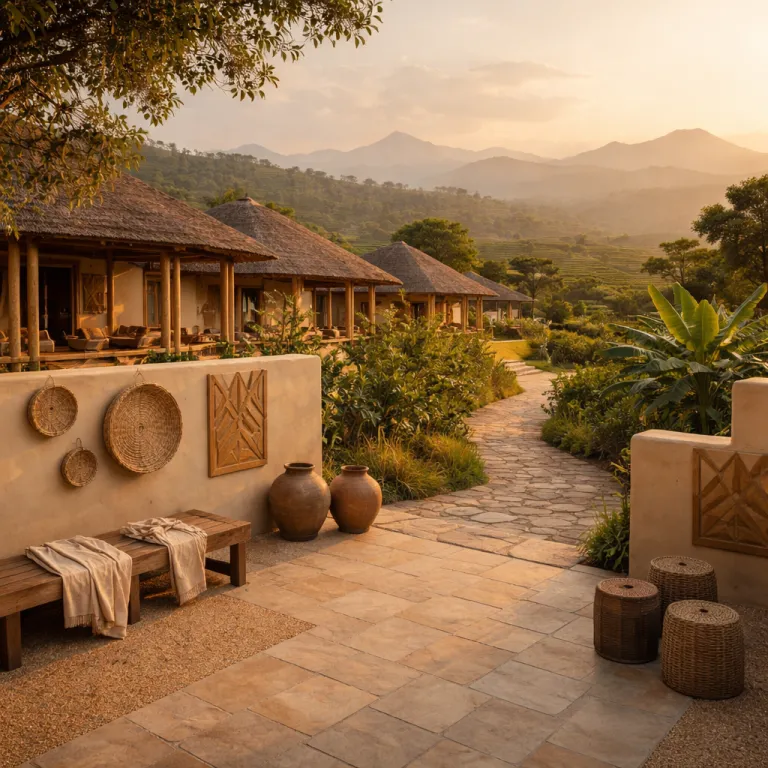
Rethinking how we travel Rwanda as luxury travellers
Travel Rwanda is often marketed as a redemption story, yet that frame flattens a complex country. The most thoughtful travellers understand that visiting Rwanda means engaging with history, culture and contemporary ambition in equal measure, and the best luxury hotels quietly guide you through that balance without spectacle. When you plan to travel through Rwanda, from Kigali to each national park, you should expect properties to offer context, not a script.
Rwanda sits at the heart of Africa, bordered by Uganda, Tanzania, Burundi and the Democratic Republic of the Congo, and this geography shapes every itinerary. You feel that border reality when a guide in Volcanoes National Park points across the slopes towards the Democratic Republic of the Congo, or when a driver in Akagera National Park explains how conservation depends on regional cooperation. Any serious Rwanda travel platform that curates luxury stays must therefore treat cross border logistics, travel advisories and travel insurance as part of the same conversation as spa menus and wine lists.
Kigali Rwanda has become the natural starting point for visiting Rwanda, not just a transit stop. The city’s low crime rate, immaculate streets and efficient airport make travelling alone unusually straightforward, which is why solo travellers often choose to spend more time here than they first planned. When you travel in Rwanda as an independent guest, Kigali’s calm order and strong café culture give you space to process the genocide memorial visit before heading out to a forest national park or to Lake Kivu.
Any honest travel advice about Rwanda must address safety without sensationalism. Official travel advisories consistently describe the country as one of the safest in Africa, with low levels of petty crime, and that aligns with what most travellers experience on the ground. Concerns about child abduction or other high profile crimes are statistically rare here, yet a responsible luxury hotel concierge will still brief you on basic travel health, border area risks and why you should register your travel insurance details at check in.
When you visit Rwanda for high end stays, you are entering a country that has made conservation and security national priorities. The Rwandan Development Board and the Rwandan Directorate General of Immigration and Emigration have streamlined visas and border processes, and the national airline RwandAir connects Kigali to major African and European hubs. This infrastructure means that travelling between Kigali, Nyungwe Forest and Volcanoes National Park can be planned with precision, allowing you to focus on choosing the best lodges rather than worrying about risk.
For solo explorers, the deeper question is not whether Rwanda is safe, but how you will engage with the country beyond gorilla tracking and poolside cocktails. Luxury hotels that deserve your booking are the ones that help you structure days that move between reflection, nature and contemporary culture, rather than selling a single narrative of trauma or safari. When you use a curated booking site to travel Rwanda, look for properties whose descriptions mention partnerships with local guides, artists and historians, not just proximity to a national park.
From Kigali genocide memorial to the lobby bar: cultural literacy as a luxury standard
Every serious itinerary for visiting Rwanda should include the Kigali Genocide Memorial, and for many travellers it becomes the emotional anchor of their time in the country. The question is not whether you will go, but how your luxury hotel in Kigali prepares you for that visit and receives you afterwards, especially if you are travelling alone. A property that understands cultural literacy will brief you with clear travel advice, arrange a thoughtful guide and then give you quiet space on return, perhaps in a shaded courtyard rather than a busy lobby.
Some of the best hotels in Kigali Rwanda now train their équipes to speak about the memorial with calm precision, neither rehearsed nor evasive. You might find a concierge who suggests pairing a morning at the genocide memorial with an afternoon at Inema Arts Center, so that your day moves from national trauma to contemporary creative energy. This is where luxury in Africa is evolving ; it is no longer just about thread count, but about how a stay helps you hold complex realities without turning them into performance.
For solo travellers, the lobby bar or small lounge becomes a crucial space after such visits. You may want to ask staff how their own families experienced that period, or you may prefer silence, and a good hotel will read that quickly without forcing conversation. When you travel through Rwanda, you will notice that the most intuitive service often comes from properties that invest in long term training rather than imported management, and this shows in how they handle sensitive topics like national history or cross border tensions with the Republic of the Congo.
Food is another lens through which cultural literacy appears. Kigali’s fine dining scene is now strong enough that planning a night of elevated Rwandan cuisine is as essential as booking gorilla tracking, and resources such as this working map of Kigali’s best tables help you align reservations with museum and gallery visits. A restaurant that sources from small farms near Nyungwe or Akagera National Park, and that can explain those relationships, offers a more grounded experience than a generic international menu.
When you travel Rwanda with this mindset, you start to see hotels as cultural interpreters rather than neutral containers. The same concierge who arranges your transfer to Volcanoes National Park can also suggest a visit to an Imigongo art studio, where geometric patterns that now appear in luxury lodge interiors originate from rural women’s cooperatives. This is where the line between cultural respect and cultural consumption becomes visible ; are you engaging with the people who create these forms, or only with the polished version in your suite.
Responsible properties now brief guests on photography etiquette, tipping norms and how to talk about the genocide without turning staff into unwilling storytellers. They may also quietly reference official travel advisories or suggest registering your details with your embassy, not because the risk level is high, but because good travel health and safety habits should be standard at this tier. For solo explorers, these cues signal that a hotel takes your whole journey seriously, from emotional wellbeing to practical security.
Hidden gems beyond the gorillas: where Rwanda’s luxury feels most local
Gorilla tracking in Volcanoes National Park is the headline act for many who travel Rwanda, but it should not be the only chapter. The most rewarding itineraries weave in quieter places where the national story unfolds in forests, tea fields and lakeside towns, often with a level of intimacy that large safari circuits in other parts of Africa can no longer offer. When you start planning, ask which properties near Nyungwe Forest, Lake Kivu or Akagera National Park are still small enough that staff will know your name by the second day.
Nyungwe Forest National Park in the southwest is one of the continent’s oldest mountain rainforests, and staying here feels very different from the volcanic slopes in the north. Mornings might begin with a canopy walk above mist filled valleys, followed by coffee on a terrace that looks towards the border with Burundi, while evenings bring long conversations with guides about primate research and forest national conservation. Luxury here is less about marble and more about how quietly your lodge integrates into the landscape, from low impact lighting to menus built around local produce.
Lake Kivu offers another kind of hidden gem for travellers who are visiting Rwanda and want time to exhale between national park stays. Small design forward hotels in towns like Karongi or Rubavu give you access to boat trips, coffee washing station visits and lakeside walks where the only sound is water against volcanic rock. For solo travellers, this is often the best place to process the intensity of gorilla tracking or a day at the genocide memorial, because the pace is slow and the social risk is low ; you can choose conversation or solitude without pressure.
Akagera National Park on the eastern border with Tanzania has undergone one of Africa’s most impressive conservation turnarounds, and its lodges now rival better known safari regions. Here, travelling through open savannah and wetland rather than dense forest gives you a different sense of the country, and night drives or boat safaris on Lake Ihema feel particularly atmospheric. When you book a stay inside Akagera National Park, look for operators who speak openly about anti poaching work, cross border wildlife corridors and how your park fees support local communities.
Volcanoes National Park remains the spiritual centre of Rwanda travel for many visitors, especially those drawn by gorilla tracking and golden monkey treks. Yet even here, the most interesting properties are the ones that treat wellness as part of a deeper engagement with place, as explored in this analysis of how a leading lodge’s spa signals that wellness is becoming central to luxury safari. When a therapist uses locally grown botanicals and explains their cultural uses, or when yoga sessions are timed to the rhythms of the forest, you feel that travel Rwanda can be both restorative and intellectually alive.
For those who want structured inspiration, curated guides to unforgettable things to do in Rwanda, such as this overview of refined experiences across the country, help you connect hidden gems into a coherent route. A day might start with a tea plantation walk near Nyungwe, continue with a village visit arranged through a responsible cooperative and end with a tasting menu back in Kigali that references ingredients from each region. This is how solo travellers can move beyond a checklist of national parks and build an itinerary that feels like a conversation with the country rather than a series of transactions.
Practical intelligence for solo luxury travellers in Rwanda
Thoughtful luxury travel in Rwanda starts long before you land in Kigali. You should check the latest travel advisories from your home country, review official guidance from the Rwandan Directorate General of Immigration and Emigration and ensure your passport, visa and yellow fever documentation are in order. Many travellers now use the online visa system, which shortens border formalities and lets you focus on choosing the best airport hotel or city property for your first night.
Seasonality matters more here than many realise, especially if gorilla tracking or long hikes in Nyungwe Forest are central to your plans. The dry period from June to September is widely considered the best time for visiting Rwanda’s national parks, because trails are firmer and wildlife viewing is easier, although prices can be higher. If you prefer quieter lodges and are comfortable with some rain, travelling just outside that window can offer excellent value while keeping risk of disruption relatively low.
Travel health and safety should be treated as part of the luxury experience, not an afterthought. Comprehensive travel insurance that covers medical evacuation, trip interruption and high value equipment is essential, particularly if you will be visiting remote areas near the border with the Democratic Republic of the Congo or Tanzania. You should also consult a travel health clinic about vaccinations and malaria prophylaxis, and many high end lodges can coordinate with medical providers if you share this information in advance.
On the ground, simple habits go a long way for solo travellers. Use registered taxis or hotel vehicles in Kigali, avoid walking along unlit roads at night and keep valuables discreet, even though crime rates are low compared with many parts of Africa. Concerns about issues such as child abduction are understandable in any unfamiliar country, yet in Rwanda such incidents are extremely rare, and standard precautions around meeting new people or sharing personal information are usually sufficient.
Financial logistics also deserve attention when you travel Rwanda. Cash is still widely used outside Kigali, especially near national parks like Akagera and Volcanoes National Park, so withdraw Rwandan francs in the city before heading out, and carry a mix of small and larger notes. Many luxury properties accept major cards, but power cuts or network issues can interrupt transactions, and having cash on hand reduces stress when settling bills for park fees, tips or local crafts.
Finally, remember that the most meaningful conversations often happen in transit, not just at your lodge. Ask your driver how the national park you are visiting has changed in their lifetime, or how communities near Nyungwe or Lake Kivu feel about tourism, and listen more than you speak. As one official FAQ from the Rwandan Development Board puts it, “What is the best time to visit Rwanda? During the dry seasons: June to September and December to February.” ; the deeper answer is that the best time is whenever you are ready to engage with the country as it is, not as a simple story of loss or recovery.
Key figures for luxury and premium travel in Rwanda
- Rwanda welcomes around 1.5 million tourist arrivals per year according to the Rwandan Development Board, a scale that keeps national parks uncrowded compared with many African destinations while still supporting high quality hospitality.
- The permit for gorilla tracking in Volcanoes National Park costs about 1 500 USD per person, a deliberate pricing strategy that limits visitor numbers, funds conservation and channels revenue into communities near the park.
- Official guidance highlights the dry months from June to September, and again from December to February, as the most reliable periods for visiting Rwanda’s national parks, which helps travellers align high value bookings with the best weather conditions.
- RwandAir has expanded its regional and long haul routes over recent years, improving direct access to Kigali and reducing total travelling time for luxury guests connecting from Europe, the Middle East and other parts of Africa.
- Plastic bags are banned nationwide, so travellers are advised to pack reusable alternatives ; this small regulation signals a wider national commitment to environmental standards that many luxury lodges now mirror in their own operations.