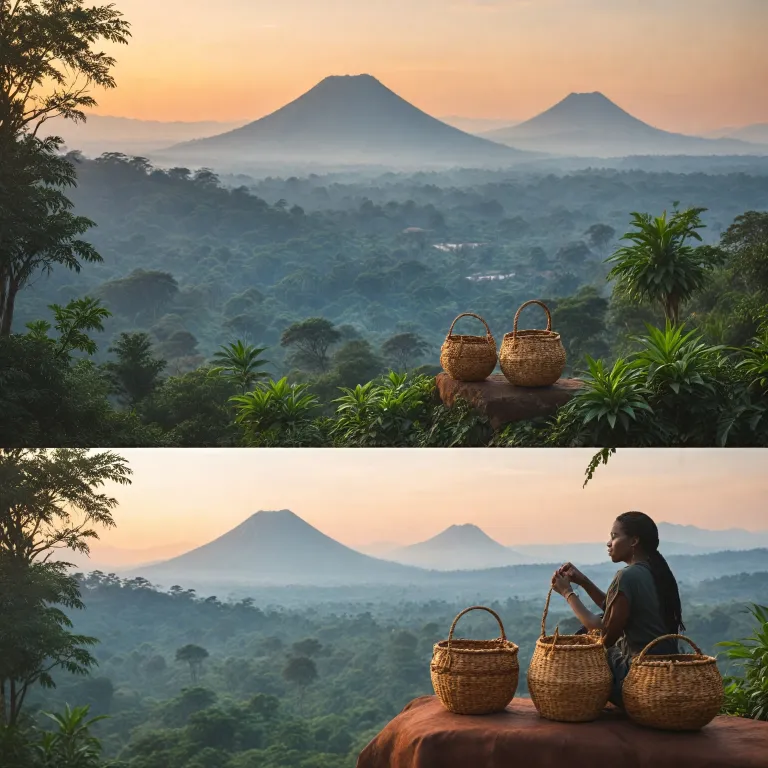
Essential things to do in Rwanda for first time visitors
Planning your first journey to Rwanda invites you into a remarkably welcoming country. This compact country in the heart of Africa offers a refined balance of nature, culture, and contemporary comfort that suits premium and luxury minded travellers. When curating your list of things to do in Rwanda, start by combining Kigali’s urban polish with the serenity of lakeside retreats and the drama of national parks.
The capital city Kigali is often the first encounter with visiting Rwanda, and it sets a reassuring tone. Clean streets, efficient services, and a growing collection of high end hotels make Kigali an ideal base for exploring the best things the country offers. Many travellers choose to spend dedicated time in Kigali at the beginning and end of their trip, using the city as a hub for day excursions and short flights to other parts of Africa.
Among the most meaningful things Rwanda presents is its commitment to remembrance and reconciliation. A visit to the Kigali Genocide Memorial, sometimes simply called the genocide memorial, is essential for understanding the country’s recent history. This experience is emotionally intense yet thoughtfully curated, and it deepens the context for every other place you will visit Rwanda, from serene lake shores to wildlife rich national parks.
As you refine your travel guide and travel article notes, consider how each region complements the others. Time in Kigali pairs naturally with a stay on Lake Kivu, a journey to Akagera National Park, and a few days in the forest national landscapes of Nyungwe. These combinations create a balanced list of things Rwanda offers, from cultural encounters to mountain gorillas and tranquil lakeside evenings.
Gorilla trekking and volcanoes landscapes for discerning travellers
For many guests, gorilla trekking ranks among the most unforgettable things to do in Rwanda. The experience of meeting mountain gorillas in their natural habitat is both intimate and carefully regulated, reflecting Rwanda’s national commitment to conservation. Permits are limited, so it is essential to secure them well in advance of your time visit, especially during the dry seasons that are considered the best for wildlife viewing.
The adventure unfolds in Volcanoes National Park, often referred to simply as Volcanoes National, where lush slopes rise from the northern border of the country. Here, expert guides lead small groups through misty forest national terrain, explaining the work of researchers such as Dian Fossey and the ongoing efforts to protect each gorilla family. The Rwanda Development Board notes that “Rwanda can be visited year-round, but the dry seasons from June to September and December to February are ideal for wildlife viewing.”
Luxury and premium travellers often pair gorilla trekking with elevated accommodation that offers fine dining, spa treatments, and panoramic views of the volcanoes national landscape. Many properties coordinate permits, transfers, and bespoke experiences, ensuring that visiting Rwanda for gorilla trekking feels seamless from arrival to departure. To refine your stay, consult specialist resources on how to book premium suites in Rwanda for your next retreat, aligning your room category with early morning trekking schedules.
When planning your travel guide, allow at least two or three nights near Volcanoes National Park. This timing gives you flexibility in case of weather changes and leaves space for additional things Rwanda offers in the region, such as guided forest walks or cultural visits. Whether you focus on a single gorilla trekking day or multiple treks, the combination of mountain gorillas, volcanic scenery, and attentive service defines some of the best things to do in Rwanda.
Lake Kivu, Nyungwe Forest and serene western Rwanda escapes
After the exhilaration of gorilla trekking, many travellers seek calmer things to do in Rwanda along the western lakes and forests. Lake Kivu stretches along the border with the Democratic Republic of Congo, offering peaceful bays, small islands, and relaxed waterfront towns. Spending time on Lake Kivu or its quieter coves allows you to slow the pace of visiting Rwanda while still enjoying refined hospitality.
Stays along Lake Kivu often combine gentle lake cruises, kayaking, and village walks with leisurely afternoons on shaded terraces. Whether you choose a lake facing suite or a hillside villa, the interplay between water, light, and distant hills creates a soothing backdrop for your travel article memories. Many guests consider evenings on Lake Kivu among the best things in the country, especially when paired with fresh grilled fish and Rwandan coffee.
Further south, Nyungwe Forest National Park offers a different kind of immersion among towering trees and rich biodiversity. The nyungwe forest canopy walk, chimpanzee tracking, and guided birding safaris highlight how forest national ecosystems complement the savannah and gorilla regions. For travellers who value both comfort and conservation, these experiences show why visiting Rwanda appeals to those seeking varied things Rwanda offers in a compact geography.
When planning your time visit in western Rwanda, consider how long transfers affect your overall itinerary. Many travellers break the journey between Kigali and Nyungwe with a night on Lake Kivu, using the lake as a restful midpoint. For those prioritising premium stays near the capital before or after these excursions, resources on the best hotels near Kigali city center for luxury and premium stays can help you align city comfort with forest and lake adventures.
Akagera National Park and elevated safari experiences
On the eastern side of Rwanda, Akagera National Park presents a classic African safari setting with a distinctly Rwandan character. Rolling savannah, shimmering lakes, and wooded hills provide habitat for elephants, lions, rhinos, and abundant birdlife, making safaris here some of the most rewarding things to do in Rwanda. Managed in partnership with African Parks, Akagera reflects the country’s national focus on conservation and community engagement.
Game drives in Akagera National Park, sometimes called Akagera National, can be arranged as guided tours or self drive safaris, depending on your comfort level and travel style. Many luxury travellers opt for fully guided safaris that include sunrise drives, boat trips on the park’s lakes, and sundowner stops with sweeping views across the country’s eastern plains. These curated experiences transform a standard safari into one of the best things Rwanda offers for guests who value both wildlife and attentive service.
Staying inside or near Akagera National Park allows you to experience the park at different times of day, which is essential for varied wildlife sightings. Night drives, where permitted, reveal another side of the park, while daytime boat safaris highlight hippos, crocodiles, and waterbirds along the shores. As you refine your travel guide, consider how many nights you wish to dedicate to Akagera, balancing it with time in Kigali, Volcanoes National, and Nyungwe Forest.
For travellers interested in the broader context of visiting Rwanda, Akagera illustrates how the country has transformed former conflict zones into thriving conservation landscapes. Tourism revenue from Akagera supports local communities and reinforces Rwanda’s position within Africa as a leader in protected area management. To align your safari with premium accommodation across the country, consult resources on premium hotel rooms and sophisticated stays in Kigali and beyond, ensuring your nights match the quality of your days in the park.
Kigali elegance, Mille Collines heritage and lakeside city escapes
Any refined list of things to do in Rwanda should reserve generous time for Kigali itself. The city’s gentle hills, contemporary architecture, and flourishing culinary scene make it far more than a transit point for visiting Rwanda’s national parks. Kigali also offers some of the country’s most polished luxury and premium hotels, which serve as ideal bases before or after gorilla trekking, lake retreats, or safaris.
Among Kigali’s most storied addresses is Hôtel des Mille Collines, often shortened to Mille Collines or des Mille in local conversation. This property holds a particular place in Rwanda’s history and remains a reference point for travellers seeking a sense of continuity between past and present. Staying here, or visiting for a meal or a drink by the pool, adds a layer of narrative depth to your travel article and travel guide notes.
Beyond Mille Collines, Kigali’s newer properties offer sleek design, rooftop bars, and spa facilities that appeal to guests who value both comfort and discretion. These hotels often coordinate day trips to the genocide memorial, art galleries, and nearby viewpoints, helping you structure your time visit in the city. Even if your primary focus is gorilla trekking or safaris, allocating at least two nights in Kigali allows you to appreciate the country’s urban rhythm.
From Kigali, it is also possible to arrange short excursions to Lake Kivu or other nearby lakes for a change of scenery without long transfers. These lakeside escapes complement the city’s energy and highlight how compact distances make many things Rwanda offers easily accessible. Whether you are planning your first visit Rwanda itinerary or refining a repeat journey, Kigali’s blend of heritage, design, and hospitality deserves a central place in your plans.
Planning the best time to visit Rwanda and structuring your stay
Choosing the best time to visit Rwanda depends on your priorities, but the country’s equatorial climate allows for year round travel. The drier months are generally preferred for gorilla trekking, safaris in Akagera National Park, and extended hikes in forest national areas such as Nyungwe. However, even during wetter periods, many things to do in Rwanda remain accessible, and the landscapes often appear especially lush.
When structuring your itinerary, think in terms of complementary regions rather than isolated stops. A classic route might begin with time in Kigali, continue to Volcanoes National for gorilla trekking, then move to Lake Kivu for rest, and finally head to Nyungwe Forest or Akagera National Park. This sequence allows you to experience mountain gorillas, lakes, forests, and savannah within a single country, while still maintaining a comfortable pace.
Luxury and premium travellers should also consider how travel time between regions affects their overall experience. Road transfers between Kigali and Lake Kivu or Nyungwe Forest can be scenic but lengthy, so some guests choose to break the journey with an overnight stay. When planning your travel guide or travel article, note that internal logistics, such as permit timings for gorilla trekking or boat safaris in Akagera, will shape your daily schedule.
Finally, remember that visiting Rwanda involves practical considerations that enhance both comfort and safety. It is advisable to obtain necessary permits in advance, respect local customs, and ensure vaccinations are up to date before traveling. By aligning these details with your preferred time visit and chosen regions, you can focus on the best things Rwanda offers, from the quiet of Lake Kivu to the drama of mountain gorillas and the reflective spaces of the genocide memorial.
Luxury hotel choices, booking strategies and responsible travel
For travellers seeking luxury and premium stays, Rwanda offers an increasingly sophisticated hotel landscape that complements its natural and cultural attractions. In Kigali, near national institutions and business districts, high end properties provide refined rooms, attentive service, and easy access to key sites such as the genocide memorial. Beyond the capital, intimate lodges near Volcanoes National, Nyungwe Forest, Lake Kivu, and Akagera National Park bring you closer to the country’s most compelling landscapes.
When planning things to do in Rwanda, it is wise to align your hotel choices with your daily activities. For gorilla trekking, staying close to Volcanoes National Park reduces early morning transfer times and allows you to rest between treks. At Lake Kivu, lakeside properties offer direct access to the water, while in Akagera National Park, safari lodges position you near prime wildlife viewing areas for both daytime and evening safaris.
Booking strategies for visiting Rwanda should account for peak travel periods, especially around popular holidays and the driest months. Securing your preferred room categories, from suites with lake views to villas near forest national trails, often requires advance planning. Many travellers work with specialist tour operators or use trusted online platforms to coordinate hotels, transfers, and permits in a single itinerary that reflects the best things Rwanda offers.
Responsible travel is central to Rwanda’s tourism model, and luxury travellers play an important role in sustaining it. By choosing properties that support local communities, respect wildlife guidelines for mountain gorillas, and partner with organisations such as African Parks, your stay contributes to long term conservation. This approach ensures that future guests will continue to enjoy the lakes, forests, national parks, and cultural landmarks that make a visit Rwanda journey so rewarding.
Key statistics about tourism and national parks in Rwanda
- Tourism revenue from Akagera National Park has been reported at approximately 4.8 million USD, reflecting the growing appeal of safaris in this national park.
- Visitor numbers to Rwanda’s protected areas have reached tens of thousands annually, with around 44 000 people recorded in earlier years for key wildlife destinations.
- Expansion of national parks and improved infrastructure continue to support increased tourist arrivals and higher value travel experiences.
Essential questions about visiting Rwanda
What is the best time to visit Rwanda ?
Rwanda can be visited throughout the year, but many travellers prefer the drier months for outdoor activities. During these periods, gorilla trekking trails are usually less muddy, and wildlife viewing in Akagera National Park is often easier. If your priority is mountain gorillas, plan your time visit around these seasons while still allowing flexibility for personal preferences and availability.
Do I need a visa to visit Rwanda ?
Most international visitors require a visa to enter Rwanda, and the process is generally straightforward. Travellers can often obtain visas online in advance or on arrival, depending on their nationality and current regulations. It is important to check the latest requirements with official channels before traveling, ensuring your visit Rwanda plans proceed smoothly.
Is it safe to travel to Rwanda ?
Rwanda is widely regarded as one of the safest countries in Africa for tourists. The country maintains low crime rates, visible security, and a stable political environment that reassures both first time and repeat visitors. As with any destination, standard travel precautions are advisable, but most guests report feeling comfortable while enjoying the many things to do in Rwanda.