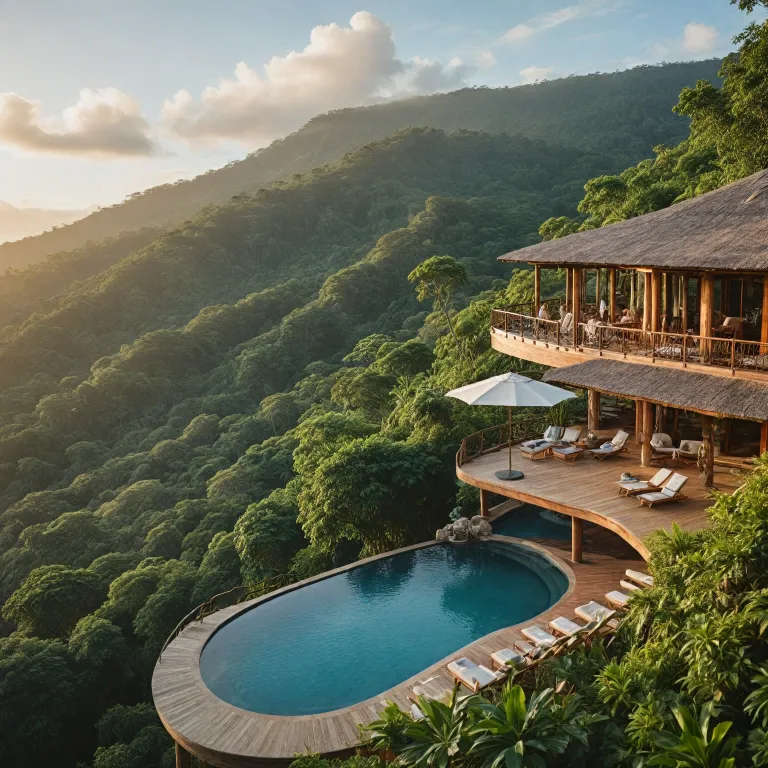
How six senses costa rica inspires premium hotel choices from Rwanda
Six senses costa rica has become a reference point for travelers in Rwanda who value sustainability and refined comfort. When you compare a Rwandan luxury hotel to this Costa Rican icon, you immediately see how senses, wellness, and nature can be woven into every detail of a stay. This perspective helps you check each hotel and room option in Rwanda with a sharper, more confident eye.
The project on the Papagayo Peninsula shows how a hotel can protect over 70 percent of its land while still offering pool villas and residences. That balance between protected valley, wild bay, and curated beach club access is highly relevant when you evaluate lakefront or forest lodges around Rwanda’s national parks. You start asking whether a property’s views and rooms suites are designed to respect the landscape or simply to maximize density.
Six Senses Hotels Resorts Spas, together with The Canyon Group and Garnier & Garnier, invested about 200 million USD to create a senses resort that treats sustainability as a core asset, not a marketing slogan. For Rwandan travelers, this echoes the country’s own commitment to conservation, especially in regions where a lake view or valley view is the main attraction. It also shows how a group can integrate organic farming, renewable energy, and personalized wellness into daily operations.
From Kigali to the Papagayo Peninsula, high end guests now compare luxury through a global lens that includes saudi arabia, the maldives, italy, and london. When you plan travel from Rwanda, six senses costa rica becomes a benchmark alongside brands like Waldorf Astoria, Ritz Carlton, and Carlton Reserve. This global context helps you evaluate whether senses hotels style wellness retreat concepts are truly present in the Rwandan hotels you are considering.
Wellness, senses, and sustainability as new booking criteria in Rwanda
Six senses costa rica places wellness at the center of its design, and that philosophy is reshaping expectations for premium hotel stays in Rwanda. Guests no longer look only at the size of a room or the number of rooms suites, but also at how personalized wellness is integrated into the experience. When a hotel in Rwanda claims to offer a wellness retreat, travelers now compare it mentally with the depth of senses offers in Costa Rica.
At Papagayo, the senses resort uses an organic farm to supply its spa and restaurants, linking nutrition, nature, and wellness in a tangible way. This approach resonates with Rwanda’s fertile valleys and lakeside regions, where hotels can source local produce and design menus that support long term health. For a guest, it means that wellness is not limited to a massage room, but extends to every meal and every view.
Because six senses costa rica protects most of its land as natural habitat, sustainability becomes part of the emotional value of each stay. Rwandan properties around lakes and national parks can adopt similar practices, preserving wetlands and forest corridors while still offering luxury rooms and residences. Travelers increasingly check whether a hotel’s sustainability claims are backed by measurable actions, not just elegant language.
Internationally, senses laamu in the maldives and projects in saudi arabia show how the brand adapts wellness and sustainability to very different climates. This global network influences how Rwandan hoteliers think about spa design, bay or lake access, and the integration of local culture into wellness rituals. For guests planning travel that might include costa rica, saudi arabia, or italy, a Rwandan hotel must now stand alongside these destinations in terms of senses, service, and environmental responsibility.
From papagayo peninsula to Rwanda’s lakes: reading the landscape of luxury
The setting of six senses costa rica on the Papagayo Peninsula offers useful lessons for choosing a hotel in Rwanda’s most scenic regions. In Costa Rica, the interplay between rugged bay, forested valley, and elevated residences creates a layered sense of place. When you evaluate a Rwandan property, you can ask whether its rooms suites and public spaces respond to the landscape with similar sensitivity.
At Papagayo, many villas are oriented to frame the bay and the wider Guanacaste archipelago, rather than simply chasing maximum density. Around Lake Kivu or other Rwandan lakes, a comparable approach would prioritize unobstructed lake views, quiet garden paths, and low rise residences that blend into the hillside. This kind of design respects both the guest’s senses and the long term sustainability of the shoreline.
The planned beach club at Punta Cacique shows how a hotel can offer direct sea access while still protecting fragile coastal ecosystems. In Rwanda, where lakeside hotels sometimes expand quickly, the Costa Rican example encourages more careful zoning of docks, paths, and swimming areas. Guests can check whether a property has left natural buffer zones and preserved local vegetation along the water’s edge.
Six senses costa rica also benefits from being about forty minutes from Liberia International Airport, balancing accessibility with seclusion. Rwandan travelers can use this benchmark when judging transfer times from Kigali to remote lodges or lakeside hotels. A similar balance between access and retreat can elevate the perceived luxury of a stay, whether you are comparing Rwanda with costa rica, the maldives, or even lake como in italy.
Comparing global icons: six senses costa rica, waldorf astoria, and Rwandan stays
For many seasoned travelers, six senses costa rica now sits in the same mental category as Waldorf Astoria, Ritz Carlton, and other leading hotels resorts. Each brand interprets luxury differently, yet all compete for guests who value refined service, strong sense of place, and reliable wellness options. When you book a hotel in Rwanda, you inevitably compare its promise with these global references, even if subconsciously.
In Costa Rica, the senses resort emphasizes low impact architecture, organic materials, and immersive nature experiences. By contrast, a Waldorf Astoria or a nekajui Ritz style property might highlight grand lobbies, formal dining, and a more urban expression of luxury, even when set on a peninsula papagayo coastline. Rwanda’s premium hotels sit somewhere along this spectrum, blending contemporary design with views of lakes, hills, or city skylines.
Six senses laamu in the maldives and projects in saudi arabia further expand the brand’s portfolio, showing how senses hotels can adapt to atolls, deserts, and dramatic bays. This diversity matters when Rwandan guests plan multi stop travel that could include london, italy, costa rica, or saudi arabia in a single itinerary. They expect a consistent level of service and wellness, even as the scenery shifts from valley to bay or from lake como to papagayo.
For readers interested in how European stays compare, an in depth guide to elegant hotels in Tuscany, italy is available at elegant stays at luxury hotels in Tuscany. Using such references, Rwandan travelers can check whether local hotels deliver a similar standard of rooms suites, spa facilities, and sustainability practices. In this way, six senses costa rica becomes part of a broader toolkit for evaluating luxury across continents.
Residences, extended stays, and what they mean for Rwanda’s premium market
One of the most striking aspects of six senses costa rica is its mix of pool villas and branded residences for sale. This model allows guests to transition from a short stay in a hotel room to long term ownership within the same wellness focused environment. For Rwanda, where interest in serviced residences and extended stay products is growing, the Papagayo example offers a valuable blueprint.
At Papagayo Peninsula, 41 pool villas and 31 residences are planned, with most of the land kept as protected habitat. Owners and guests share access to wellness facilities, beach club areas, and curated experiences that engage all the senses. A similar approach in Rwanda could combine lake view apartments or hillside residences with shared spas, organic gardens, and guided nature activities.
Internationally, branded residences linked to hotels resorts such as Ritz Carlton, Waldorf Astoria, or Carlton Reserve have proven attractive to globally mobile travelers. These buyers often split their time between saudi arabia, london, italy, costa rica, and the maldives, expecting consistent service standards wherever they stay. If Rwandan developers partner with a strong group and focus on sustainability, they can appeal to the same audience.
For guests, the benefit lies in knowing that a residence or room is managed with the same attention to personalized wellness and environmental care found at six senses laamu or other senses hotels. They can check into a Rwandan property confident that the view, the valley or bay setting, and the wellness retreat programming will meet global expectations. This alignment strengthens Rwanda’s position on the map of high end travel.
Practical booking insights for Rwandan travelers inspired by six senses costa rica
When you are ready to book a luxury hotel from Rwanda, using six senses costa rica as a reference can make your choices more precise. Start by examining how each property describes its setting, whether it overlooks a lake, a valley, or a bay. The most compelling hotels translate that view into meaningful experiences, not just marketing images.
Next, look closely at wellness and sustainability details, checking for concrete actions rather than vague promises. Does the hotel operate an organic garden, support local communities, or protect a significant share of its land as natural habitat, as in Papagayo Peninsula. These specifics indicate whether a property truly aligns with the values embodied by senses resort developments in costa rica and beyond.
Pay attention to how rooms suites are organized, especially if you are traveling with family or planning an extended stay. Some hotels offer interconnected rooms, residences with kitchenettes, or access to a beach club or lakeside deck that can transform the rhythm of your stay. Comparing these features with what you know about Waldorf Astoria, Ritz Carlton, nekajui Ritz, or senses laamu helps you gauge relative value.
Finally, consider your broader travel pattern, especially if your itinerary might one day include saudi arabia, italy, london, lake como, the maldives, or costa rica itself. Choosing Rwandan hotels that already meet the standards of leading senses hotels and other top tier brands will make future comparisons easier. Over time, this careful approach to booking supports both your personal wellness and the sustainability of the destinations you love.
Key statistics on six senses costa rica and sustainable luxury
- Investment amount for the Papagayo project is approximately 200 million USD.
- The resort is planned to feature 41 pool villas for guests.
- There are 31 branded residences available for private ownership.
- About 70 percent of the land is designated as protected natural habitat.
- The transfer time from Liberia International Airport is around 40 minutes.
Essential questions about six senses costa rica for Rwanda travelers
What is six senses costa rica and where is it located ?
Six senses costa rica refers to the planned Six Senses Papagayo resort on the Papagayo Peninsula in Guanacaste, Costa Rica. It is a luxury, eco conscious property developed by Six Senses Hotels Resorts Spas in partnership with The Canyon Group and Garnier & Garnier. The resort occupies a coastal site overlooking bays, valleys, and the wider Guanacaste archipelago.
How does six senses costa rica approach wellness and sustainability ?
The resort integrates personalized wellness through spa facilities, fitness spaces, and programs that connect guests with nature. An on site organic farm is designed to supply ingredients for restaurants and spa treatments, linking nutrition and wellbeing. In addition, a large share of the land is preserved as natural habitat, reflecting a long term commitment to sustainability.
Why is six senses costa rica relevant for travelers booking hotels in Rwanda ?
For Rwandan travelers, six senses costa rica serves as a benchmark for how luxury, wellness, and environmental care can coexist. By comparing local hotels with this standard, guests can better evaluate room design, landscape integration, and sustainability practices. This perspective helps ensure that premium stays in Rwanda align with the best global examples of responsible, high end hospitality.