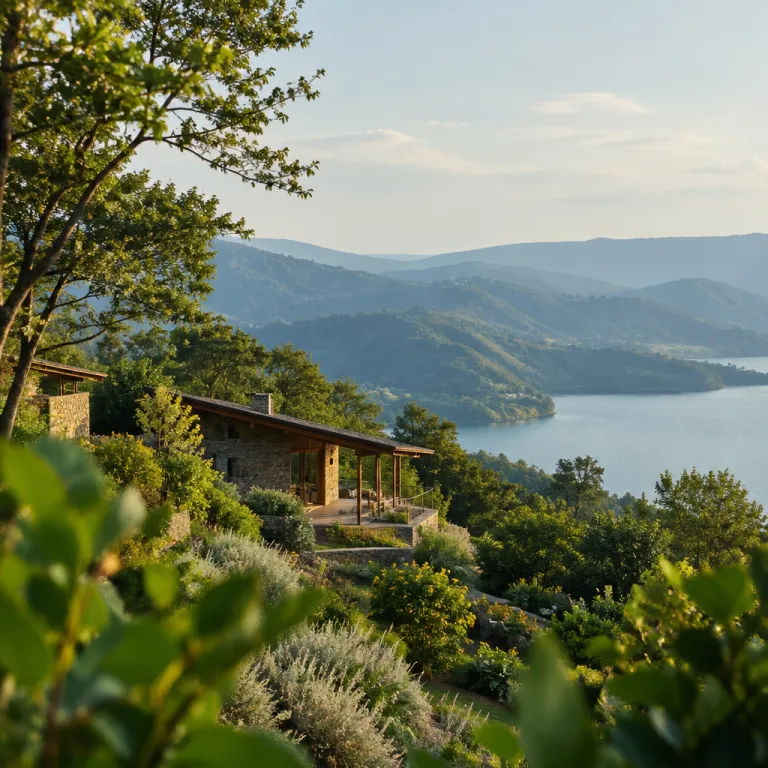
Photo Rwanda as a lens on luxury travel in Kigali and beyond
Photo Rwanda is not only about taking pictures; it is about choosing hotels that frame each moment with care. In Kigali the most refined luxury and premium properties sit on hilltops or beside quiet streets, giving photographs of the city a calm, elevated perspective that many people do not expect from this part of Africa. When you plan to visit Rwanda, think of your hotel as a base camp for photography, from sunrise over the city to blue hour portraits beside an infinity pool.
In Kigali Rwanda, high end hotels such as The Retreat, Kigali Marriott Hotel, and Kigali Serena Hotel offer wide terraces where guests can capture images of the rolling landscape and the soft evening haze. These properties understand that travellers arrive with cameras and phones ready, so they design lounges, rooftop bars, and pool decks that open towards the surrounding mountains, volcanoes, and the green city skyline. The result is a seamless blend of comfort and composition, where every breakfast table or spa balcony can become a frame worthy image of contemporary Rwanda.
The recent Rwanda Reseen 100 Days project shows how the country uses photography to reshape its narrative during the national genocide commemoration period. Large scale images are displayed in schools, markets, and on city buildings, and they often sit only a short walk from luxury hotels in the centre of Kigali. As one explanation from the project states, "What is Rwanda Reseen?" and the answer follows immediately: "A photography exhibition displaying images across Rwanda during genocide remembrance period"; this context matters when you choose where to stay, because the most thoughtful hotels connect guests with such cultural experiences rather than isolating them.[1]
Hidden city angles: Kigali hotels for architecture, art, and people photography
Some of the finest photo Rwanda opportunities hide inside Kigali’s luxury hotels themselves, especially where architecture and art collections meet soft natural light. In the city centre, several premium properties commission local photographers such as Jacques Nkinzingabo, founder of the Kigali Centre for Photography, whose images of everyday people in Rwanda hang in lobbies and corridors. When you stay in these hotels, you are surrounded by curated photographs that show Rwanda beyond the usual safari clichés.
For travellers who want to pair a hotel stay with the contemporary art and photography scene, it is worth exploring Kigali galleries and creative studios linked to high end properties. A detailed guide to Kigali’s contemporary art scene and the hotels that collect local work helps you match your preferred style of images with a specific address in the city. This connection between gallery and guestroom means that your own pictures from Rwanda echo the same themes of resilience, modern design, and urban energy that appear in the professional work on the walls.
From a practical point of view, Kigali Rwanda is one of the easiest capitals in Africa for walking with a camera, and luxury hotels often sit near safe, well lit streets. You can step out at dawn to photograph people heading to work, capture the landscape of hills that ring the city, then return for a free late breakfast beside a pool. Many properties also arrange guided photo walks that respect local etiquette about photographing people, memorials linked to the genocide, and sensitive national sites, which keeps your images ethical as well as beautiful. As Nkinzingabo has noted in interviews, "The camera should be a bridge, not a barrier," a reminder that conversation often matters as much as composition.
Planning a photo Rwanda itinerary around national parks and lakes
Beyond the capital, the most powerful photo Rwanda experiences unfold in the country’s national parks and along its lakeshores, where luxury lodges are designed with photographers in mind. When you book a premium stay near a national park, you are paying not only for comfort but for access to sunrise drives, private decks, and expert guides who understand how to position you for the best pictures. This is where the choice between different regions of Rwanda becomes crucial for your camera roll.
Akagera National Park in eastern Rwanda offers a classic savannah landscape, with plains, wetlands, and a large lake that glows at sunset, and several high end lodges sit on ridges above the water. Guests can capture images of elephants, antelopes, and birds from open vehicles, then return to a suite where floor to ceiling windows frame the same national park scenery. In contrast, Nyungwe National Park in the southwest is all about dense forest, mist, and steep slopes, and luxury forest lodges there specialise in guiding guests to photograph primates, waterfalls, and the layered green landscape from canopy walkways.
Solo travellers often worry about logistics when planning to visit Rwanda for photography, especially when carrying expensive equipment between remote lodges. A practical overview of why Rwanda works for solo travellers explains how safe roads, compact distances, and professional drivers make it realistic to combine several national parks in one trip. Driving times are typically around two and a half hours from Kigali to Akagera, five to six hours to Nyungwe, and about three hours to Volcanoes National Park, which helps photographers move between Kigali, Akagera National Park, and Nyungwe National Park without rushing their creative process.[2]
Volcanoes, gorillas, and the art of photographing Rwanda’s highlands
For many guests, the phrase photo Rwanda immediately evokes the image of a mountain gorilla emerging from a gorilla forest of bamboo and mist. Volcanoes National Park in the north is the centre of this dream, and luxury lodges around the town of Musanze are built to serve travellers who come specifically to photograph mountain gorillas and the surrounding volcanoes. Choosing the right property here shapes not only your comfort but also the rhythm of your days, because gorilla trekking starts early and ends with long afternoons of editing pictures beside a fireplace.
The Virunga Mountains form a dramatic backdrop, with several cone shaped peaks rising along the border with the Democratic Republic of the Congo and the Republic of the Congo, and high end lodges position their terraces to face these volcanoes. From these decks you can capture images of the changing light on the Virunga Mountains, the silhouette of each peak, and sometimes the glow of clouds that gather above the summits. Some properties even offer guided walks to nearby villages, where respectful portraits of local people and tea plantations add human and agricultural layers to your Rwanda gorilla story.
During a gorilla trek, strict national park rules protect both visitors and wildlife, and experienced guides manage the distance and timing so that your images remain intimate without disturbing the animals. Encounters with a silverback mountain gorilla or playful young mountain gorillas usually last about an hour, and the best lodges brief guests carefully on how to handle cameras, lenses, and movement in the gorilla forest. In the same region, special excursions focus on the golden monkey, a rare primate that lives on the lower slopes of the volcanoes, giving photographers another chance to capture unique images in this part of Rwanda.
Lakes, tea hills, and quiet luxury for landscape photography
Not every photo Rwanda moment needs the drama of a gorilla trek or a crowded city street, because some of the most memorable images come from quiet mornings beside a lake or misty afternoons in the tea covered hills. Lake Kivu on the western border offers a chain of bays and peninsulas where luxury and premium hotels sit almost at water level, giving guests direct access to reflections, fishing boats, and long exposures of gentle waves. From these terraces, you can photograph the changing colours of the sky, the outline of distant hills, and the daily life of people who move across the lake in wooden canoes.
Several high end lodges near Lake Kivu arrange boat trips at sunrise or sunset, which are ideal for wide angle landscape shots and intimate portraits of local fishermen. The combination of calm water, volcanic soil, and steep slopes creates a layered landscape that feels very different from the forest and national park scenes elsewhere in Rwanda. Inland, tea estates spread across the mountains, and some premium guesthouses overlook these plantations, allowing guests to photograph rows of tea bushes, workers in bright clothing, and the soft fog that often rolls in from the forest.
In the southwest, properties near Nyungwe National Park blend forest views with tea landscapes, offering balconies that look across both habitats in a single frame. Here, photo Rwanda becomes a study in green tones, from the dark canopy of the forest to the lighter tea fields and the pale sky above the mountains. Many of these lodges include free guided walks through nearby villages and plantations, which helps guests capture authentic pictures of people, agriculture, and daily life in this region of Rwanda.
Ethical photography, memorials, and immersive hotel experiences
Any serious approach to photo Rwanda must acknowledge the country’s history, especially the genocide against the Tutsi, and luxury hotels play a role in guiding guests towards respectful experiences. Many premium properties in Kigali and beyond arrange visits to national memorials and museums, where photography rules are clearly explained to protect both the dignity of the sites and the privacy of people who come to remember. Guests are encouraged to focus on exterior architecture, landscape elements, and symbolic details rather than intrusive images of mourners or sensitive exhibits.
Across Rwanda, the growth of documentary photography has led to more exhibitions in public and community spaces, and some hotels partner with initiatives such as the Kigali Centre for Photography to host talks or temporary displays. These events help visitors understand why public projects like Rwanda Reseen use large scale images in markets, schools, and homes to show daily life beyond the genocide narrative. When you stay in a hotel that supports such work, your own pictures from Rwanda become part of a wider conversation about how the country is seen from outside and how people inside the country choose to represent themselves.
Luxury lodges in national parks also emphasise ethical guidelines for wildlife photography, especially around mountain gorillas, golden monkeys, and other primates in the forest. Guests are reminded not to use flash, to keep a respectful distance, and to follow national park regulations that limit group sizes and visit durations, which protects both the animals and the quality of each image. Some properties extend this thoughtful approach to culinary experiences, offering dinners on forest decks or lakeside platforms, and a dedicated guide to Rwanda’s most extraordinary tables shows how these settings can become unforgettable backdrops for low light pictures of food, people, and landscape combined.
Statistics: key figures shaping luxury travel and photography in Rwanda
- Rwanda’s total land area is about 26,000 square kilometres, which makes it compact enough for travellers to combine Kigali, Volcanoes National Park, Akagera National Park, and Nyungwe National Park in a single itinerary without long internal flights (data from the Rwanda Development Board).[3]
- Volcanoes National Park hosts around one third of the world’s remaining mountain gorillas, with roughly 1,000 individuals recorded across the Virunga Massif and Bwindi Impenetrable National Park, and strict permit systems limit daily visitor numbers to protect the species while ensuring that each trekking group has space and time for high quality photography (figures from the Rwanda Development Board and conservation partners).[4]
- Akagera National Park has seen wildlife numbers rise significantly since a major restoration partnership began more than a decade ago, including the reintroduction of lions in 2015 and black rhinos in 2017, which has transformed the park into a full Big Five destination for safari and photography in Africa (information from African Parks and the Rwanda Development Board).[5]
- Nyungwe National Park protects more than 1,000 plant species and dozens of mammal species, including several primates, making it one of the most biodiverse montane forests in Africa and a prime location for forest and wildlife photography (data from conservation organisations working in Rwanda).[6]
- Tourism is one of Rwanda’s leading sources of foreign exchange, and high value, low volume strategies around gorilla trekking and luxury lodges are designed to maximise conservation funding while limiting environmental impact per visitor (policy information from the Rwanda Development Board).[7]
FAQ: luxury hotels, hidden places, and photography in Rwanda
What is Rwanda Reseen and how can hotel guests experience it ?
Rwanda Reseen is a nationwide photography initiative that places large scale images of modern life in public spaces during the genocide remembrance period, and it often collaborates with venues in Kigali and other cities. Hotel guests can experience it by visiting participating markets, schools, and community centres, many of which are a short drive from central luxury properties.
Who is Jacques Nkinzingabo and why is he important for photo Rwanda travellers ?
Jacques Nkinzingabo is a Rwandan documentary photographer and the founder of the Kigali Centre for Photography, and his work focuses on resilience and contemporary life in the country. Travellers interested in photography can look for hotels that display his images or attend workshops and talks linked to his centre while staying in Kigali.
How can I choose between Akagera, Nyungwe, and Volcanoes National Parks for photography ?
Akagera National Park is best for classic savannah wildlife and lake scenes, Nyungwe National Park excels for dense forest, waterfalls, and primates, while Volcanoes National Park is the prime destination for mountain gorillas and volcanic landscapes. Many travellers combine at least two parks, using Kigali as a hub and booking luxury lodges that specialise in guided photographic experiences.
Is it safe to photograph people and memorials in Rwanda ?
It is generally safe to photograph in public areas if you ask permission before focusing on individuals, and most people respond positively when approached respectfully. At genocide memorials and national sites, photography rules vary, so visitors should follow posted guidelines and staff instructions, often limiting images to exteriors and non sensitive spaces.
Do luxury hotels in Rwanda offer services tailored to photographers ?
Many high end hotels and lodges provide early breakfasts, flexible check in, secure storage for camera equipment, and private guiding options designed for photographers. Some properties also arrange dedicated photo walks, editing sessions, or meetings with local photographers, which helps guests return home with stronger and more meaningful images.