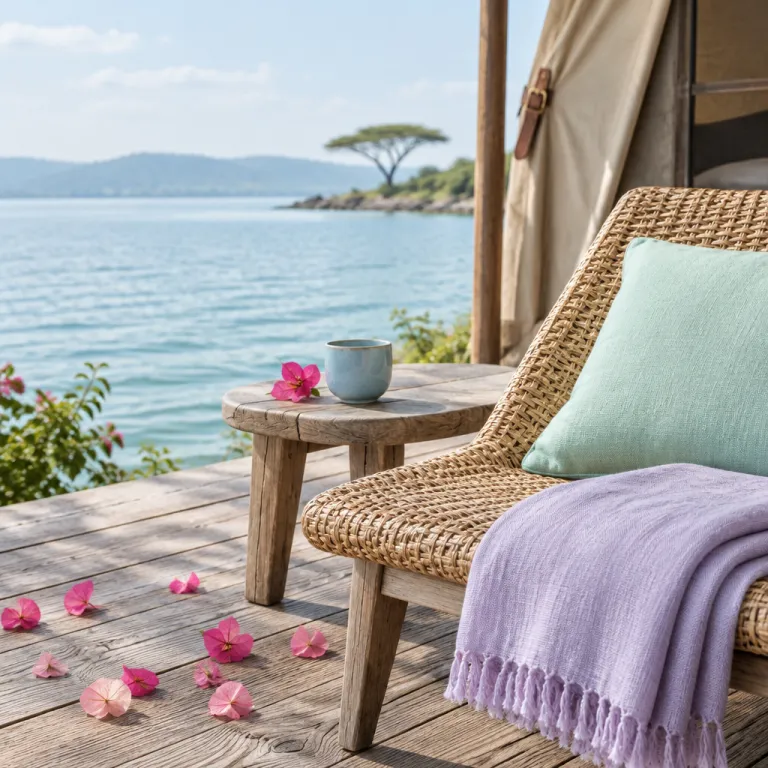
Lake Kivu Rwanda as a refined African lakeside escape
Lake Kivu in Rwanda offers a rare blend of serene water, volcanic drama and polished hospitality. Along this African Great Lake, luxury and premium hotels frame wide views of the Rift Valley while still feeling intimate and human scaled. For travelers comparing great lakes in East Africa, Lake Kivu Rwanda stands out for its calm surface area, gentle depth gradients and peaceful atmosphere.
This natural Rwanda lake sits between Rwanda and the Democratic Republic of the Congo, forming part of the African Great Lakes system. The lake basin belongs to the western branch of the East Africa Rift Valley, where volcanic activity has shaped steep hillsides and sheltered coves that now host elegant properties. From many terraces you see the DRC shoreline, small islands and fishing boats, yet you still feel safely cocooned in a curated luxury environment.
Because Lake Kivu is shared between Rwanda and the Democratic Republic of the Congo, guests enjoy a sense of cross border culture without leaving their hotel. You will hear stories about Rwanda–DRC trade, traditional fish markets and the role of the lake basin in regional life. High end concierges use this context to design private cruises across the lake, pairing tastings of grilled sardine like fish and other species with commentary on local history and ecology.
Understanding Lake Kivu’s unique natural features for luxury stays
Lake Kivu is globally known for its dissolved methane gas, which sits at great depth beneath the calm surface. This methane, mixed with carbon dioxide, accumulates in the deep lake basin and has inspired innovative extraction projects that power parts of Rwanda. When you book a premium hotel on these lake shores, you are staying above one of the world’s most unusual natural energy reservoirs.
The combination of volcanic activity, gas rich waters and significant depth makes this African Great Lake scientifically fascinating. Responsible methane extraction on the Rwanda side reduces pressure in the basin while supplying electricity, and your hotel may highlight this as part of its sustainability narrative. Many luxury properties now offer guided talks where experts explain how the introduced lake management practices keep the lake stable and safe for swimming and boating, while also outlining the strict monitoring that prevents sudden gas release.
Travelers sometimes compare Lake Kivu with Lake Tanganyika, another deep Rift Valley lake in East Africa. While Lake Tanganyika is famous for the Tanganyika sardine and exceptional fish biodiversity, Lake Kivu Rwanda offers a softer, more tranquil setting that pairs well with high end wellness retreats. Before or after a national park safari, guests appreciate the contrast between the drama of wildlife drives and the soothing rhythm of waves on this natural Rwanda lake.
Safety conscious visitors planning national parks and lake stays often ask how secure Rwanda feels for luxury travel. For a detailed perspective on security standards, conservation areas and safari logistics, review this guide on how safe Rwanda is for luxury stays and national park safaris. Understanding the country’s stability helps you choose lakefront hotels that complement gorilla trekking, savannah safaris and cultural excursions.
Where to stay around Lake Kivu Rwanda: Gisenyi and beyond
Gisenyi Rwanda, now commonly called Rubavu, is the most established luxury base on the Rwandan side of Lake Kivu. Here, premium hotels line the lake shores with manicured gardens, private beaches and infinity pools that seem to merge with the lake surface area. Many suites face the DRC hills across the water, giving a constant reminder that this is a shared African lake linking Rwanda and the Democratic Republic of the Congo.
In Gisenyi Rwanda, travelers can choose from heritage style properties with grand verandas or contemporary lakeside resorts with minimalist lines and high tech amenities. Most luxury hotels curate experiences that connect guests to the lake basin, from private boat charters to guided walks along the waterfront and nearby hot springs shaped by volcanic activity. When comparing options, look for rooms that maximize depth of view across the lake, as well as discreet service, strong Wi Fi and thoughtful sustainability practices such as solar power, plastic reduction and support for local conservation partners.
South of Gisenyi, quieter stretches of Lake Kivu near Kibuye (Karongi) and Cyangugu (Rusizi) appeal to guests seeking more seclusion. These areas offer smaller premium lodges where every room faces the natural curves of the Rift Valley and the islands scattered across the basin. If you enjoy combining Lake Kivu Rwanda with other international destinations, you may appreciate this curated perspective on refined five star hotels in Brazil, which can help you benchmark service levels and design standards across continents.
Combining Lake Kivu with Rwanda’s national parks and safaris
Lake Kivu works beautifully as a pause between Rwanda’s intense national park experiences. Many travelers start with a high impact gorilla trekking safari in Volcanoes National Park, then drive down through the Rift Valley hills to unwind beside the lake. Others finish their trip with a few nights on the lake shores after exploring savannah wildlife in Akagera National Park or primate rich forests in Nyungwe.
From a logistics perspective, the distances between Rwanda’s national parks and Lake Kivu Rwanda are manageable for comfortable road transfers. The route from Volcanoes National Park to Gisenyi Rwanda is especially scenic, with views of terraced hills, small lakes and the distant DRC mountains. Luxury tour operators often design itineraries where you wake to gorilla calls one morning and enjoy a private fish tasting cruise on Lake Kivu the next afternoon.
For travelers interested in the wider African Great Lakes region, Lake Kivu can be part of a longer East Africa circuit. Some itineraries link Rwanda’s national parks and Rwanda lake experiences with safaris in Tanzania or Kenya, or with visits to Lake Tanganyika for contrasting lake species and cultural histories. When planning, consider how many nights you want at the lake basin to truly decompress after early safari wake up calls and long game drives.
Thoughtful travelers also weave remembrance and culture into their itineraries alongside nature and luxury. If you are considering time in Kigali before or after your lake stay, this in depth article on the Kigali Genocide Memorial and hotels that approach remembrance with care can help you choose properties that align with your values. Balancing reflection in the capital with restorative days on Lake Kivu Rwanda creates a nuanced, respectful journey.
Cuisine, fish species and life on the Lake Kivu shores
Food around Lake Kivu reflects both the lake’s fish species and the fertile volcanic soils of the surrounding hills. On many menus you will find grilled tilapia, small sardine like fish and other lakeside catches served with plantain, beans and fresh vegetables. Chefs in luxury hotels often reinterpret these traditional dishes in refined ways, pairing local fish with delicate sauces and carefully selected African wines.
The lake’s fisheries are influenced by its depth, gas rich waters and the presence of introduced lake species such as the small pelagic fish often compared to the Tanganyika sardine. While Lake Tanganyika remains the classic reference for that sardine species, Lake Kivu Rwanda has its own evolving balance of native and introduced fish. Responsible hotels work with suppliers who respect fishing regulations, helping to protect the lake basin and maintain healthy stocks for both local communities and visitors.
Life along the lake shores is shaped by the relationship between Rwanda and the Democratic Republic of the Congo. From your terrace you may watch wooden boats heading toward the DRC side, carrying goods, fish and passengers across this shared African waterway. Many premium properties now offer cultural experiences where guests learn about Rwanda–DRC trade, traditional boat building and the role of the lake in regional food security.
Practical tips for choosing a luxury hotel on Lake Kivu Rwanda
When selecting a luxury or premium hotel on Lake Kivu Rwanda, start by clarifying how you want to use your time. Some travelers prioritize spa facilities, yoga decks and quiet reading corners overlooking the lake, while others want active days with kayaking, boat trips and guided hikes. Your ideal property will match your preferred balance between high energy activities and slow, contemplative hours beside the water.
Next, consider the specific location along the lake basin, because each area offers a different mood. Gisenyi Rwanda feels livelier, with more restaurants, lakeside promenades and views toward the DRC city of Goma, while Kibuye and Cyangugu are calmer and more introspective. Check how your chosen hotel manages its relationship with the natural environment, including wastewater treatment, energy use in a region known for methane gas extraction and support for conservation in nearby national parks.
Finally, look at how well the hotel connects you to the wider East Africa region and the African Great Lakes story. Some properties employ guides who can explain the geology of the Rift Valley, the history of the Democratic Republic of the Congo border and the science behind the lake’s gas rich depth layers. Others focus more on service rituals, gastronomy and design, creating a cocoon where the drama of volcanic activity and cross border politics remains a distant backdrop to your lakeside retreat.
Key figures about Lake Kivu and Rwanda’s luxury travel
- Lake Kivu covers a surface area of about 2,370 square kilometres, making it one of the smaller African Great Lakes but still large enough to host multiple distinct tourism zones along its Rwandan shoreline (see for example the Rwanda Agriculture and Animal Resources Development Board summaries of lake statistics and regional hydrological surveys).
- The maximum depth of Lake Kivu reaches roughly 485 metres, placing it among the deeper lakes in East Africa and contributing to the stable stratification that traps methane gas in lower layers (depth estimates reported in limnological research, including studies indexed by the American Geophysical Union and related scientific mapping projects).
- Studies estimate that Lake Kivu contains around 60 cubic kilometres of methane gas dissolved in its deep waters, a volume significant enough to support long term power generation projects in Rwanda when extraction is carefully managed (see peer reviewed assessments of the lake’s gas reserves in journals such as Journal of Volcanology and Geothermal Research and energy sector reports on the KivuWatt project).
- Rwanda currently protects more than 10% of its land area through national parks and reserves, which allows travelers to combine lake stays with high quality safaris and primate trekking within relatively short driving distances (figures consistent with data from the Rwanda Development Board and international conservation agencies).
- Travel and tourism contribute over 7% of Rwanda’s gross domestic product, with luxury and premium segments growing steadily as new high end properties open around Kigali, Lake Kivu and the country’s national parks (see analyses by the World Travel and Tourism Council and Rwanda’s national statistics offices for the latest detailed breakdowns).
FAQ about Lake Kivu Rwanda luxury stays
Is it safe to swim in Lake Kivu near luxury hotels ?
Swimming is generally considered safe in designated areas near established hotels on the Rwandan side of Lake Kivu. The methane and other gases remain trapped at greater depth in the lake basin, far below typical swimming zones. Always follow local guidance, respect hotel safety flags and avoid venturing far from supervised sections of the lake shores.
How many nights should I spend at Lake Kivu during a Rwanda trip ?
Most travelers planning a safari and national park focused itinerary allocate two to three nights at Lake Kivu Rwanda. This allows one full day to rest after gorilla trekking or game drives, plus another day for gentle activities such as boat trips or village walks. If you value slow travel and wellness, extending to four or five nights can create a deeper sense of connection with the lake and surrounding hills.
Can I visit both Rwanda and the Democratic Republic of the Congo from Lake Kivu ?
From Gisenyi Rwanda you can see the city of Goma in the Democratic Republic of the Congo across the water, but crossing the border requires proper visas and security checks. Some travelers arrange day visits or longer stays on the DRC side through specialist operators who understand local conditions. If you prefer a simpler plan, you can still learn about Rwanda–DRC relations through cultural experiences and guided talks on the Rwandan shore.
How does Lake Kivu compare with other African Great Lakes for luxury travel ?
Compared with larger great lakes such as Lake Victoria or the deeper Lake Tanganyika, Lake Kivu feels more intimate and less crowded. The combination of volcanic scenery, calm waters and Rwanda’s strong security record makes it particularly appealing for high end travelers. While other lakes may offer broader wildlife viewing on the water, Lake Kivu Rwanda excels as a restorative base that pairs elegantly with inland national parks.
What is the best way to reach Lake Kivu from Kigali ?
The most common route is a road transfer from Kigali to Gisenyi Rwanda, which usually takes around three to four hours depending on traffic and stops. The drive passes through rolling hills, small towns and occasional viewpoints over distant lakes and valleys. Many luxury travelers arrange private vehicles through their hotel or tour operator to ensure comfort, flexibility and reliable timing.