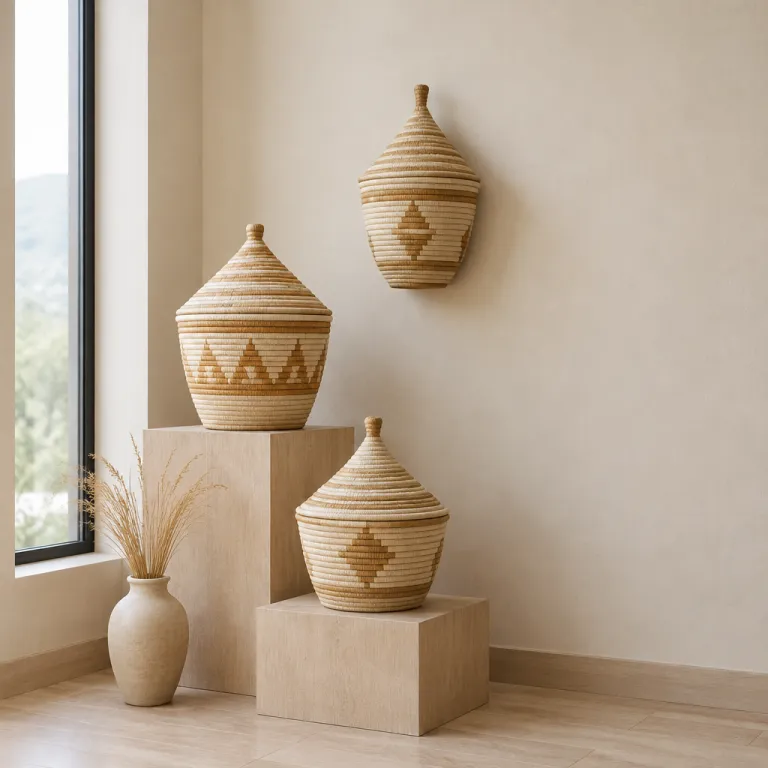
Reading travel rwanda through the curve of an Agaseke
Travel Rwanda with an eye on the small details and the country starts to speak through its hands. In Kigali and beyond, the traditional Agaseke basket appears in hotel lobbies, on bedside tables and in quiet corners, yet its form carries a national story that runs deeper than décor. The coiled, lidded silhouette, often rising to a graceful point, once carried gifts between families and symbolised trust, health and peace in communities across Rwanda.
Today, when you are visiting Rwanda for the first time, that same form still signals welcome at many luxury properties in Kigali Rwanda and in the countryside. The Agaseke’s tight weave was historically believed to protect what it held, to avoid loss and to guard against misfortune or disease, which is why it remains a powerful wedding and reconciliation gift in the country. When you travel across Rwanda from the capital towards Volcanoes National Park or down to Lake Kivu, you will notice how the basket’s patterns echo the hills, the paths to the border with the Democratic Republic of the Congo and the geometric rhythms of terraced fields.
For the solo traveller, this is not just a souvenir but a way to exercise a high degree of cultural curiosity and respect. You will see Agaseke baskets in different sizes and colours, including natural sisal tones and deep indigo, each pattern linked to a specific weaving group or region. Ask hotel staff about the origin of the pieces on display and you will often be directed to a particular cooperative in Kigali, Rubavu District or near Nyungwe Forest, turning a simple object into a map for your next day’s travel.
Women’s weaving cooperatives and the quiet economics of craft
Across Rwanda, women’s weaving cooperatives sit at the intersection of culture, health and economic resilience. Many of the Agaseke baskets you see in high end hotels in Kigali Rwanda or near Akagera National Park are commissioned directly from groups that formed after periods of displacement, when women needed income that respected childcare, farming and community duties. These cooperatives often operate with a high degree of transparency, listing prices clearly and explaining how each sale supports school fees, clinic visits and food security.
When you travel Rwanda with time to spare, ask your travel agent or hotel concierge to arrange a visit to a weaving group rather than relying only on lobby shops. In Kigali, several cooperatives welcome travellers for half day sessions where you can sit beside weavers, learn how sisal is prepared and hear how orders from national hotels changed their risk profile and reduced the need to cross the border in search of casual work. In Rubavu District above Lake Kivu, some groups combine weaving with coffee or tea farming, so you can pair a studio visit with a walk through smallholdings before returning to your hotel.
For travellers who read destinations through craft, these visits offer more than shopping. You will see how patterns are agreed collectively, how quality control works and how women negotiate with local authorities when they need new workspace or better road access for deliveries. If you are already planning a journey into Rwanda’s coffee country, consider pairing a cooperative visit with a stop at estates and washing stations described in this guide to Rwanda’s coffee country as a destination, which shows how agricultural and craft economies often overlap.
Hotels that commission, not just display, Rwandan craft
Some of the most interesting luxury properties in Rwanda treat Agaseke baskets and other woven pieces as part of their architecture rather than as afterthoughts. In Kigali, The Retreat by Heaven is frequently cited for its commitment to locally crafted furniture and textiles, with rooms that feature Rwandan woodwork, basketry and ceramics in a way that feels integrated rather than staged. When you stay there, staff will often explain which cooperative produced each piece, including the lidded baskets that hold amenities or the wall mounted works that frame your view of the city.
Outside the capital, lodges near Volcanoes National Park, Akagera National Park and Nyungwe Forest increasingly commission custom work from weaving groups. A property overlooking Lake Kivu might ask a Rubavu District cooperative to create large scale Agaseke inspired lampshades, while a lodge near the border with the Democratic Republic of the Congo could request muted earth tones that echo volcanic rock. This approach supports national craft services while giving travellers a tangible link between the landscape they are visiting and the objects they touch each day.
For solo travellers planning to travel Rwanda during quieter months, some hotels pair these commissions with wellness or creativity retreats. Before booking, read in depth guides such as this piece on the shoulder season in Rwanda and wellness retreats, which often highlight properties that integrate weaving workshops into their programming. When you choose hotels that invest in local craft, you exercise high caution about where your money goes and you help avoid generic imports that add little to the country’s cultural life.
Buying Agaseke baskets responsibly when travelling Rwanda
Responsible shopping in Rwanda starts with understanding provenance and price. When you see Agaseke baskets in a hotel shop, ask which cooperative made them, how long a piece takes to weave and what share of the price returns to the maker. A fair price reflects not only materials but also the weaver’s time, the health of the cooperative and the risk they take in producing stock for national and international visitors.
Before travelling, check current travel advice from your own foreign ministry and from the Rwandan high commission or embassy, then pair that with practical guidance from your travel insurance provider. While Rwanda is widely regarded as one of the safest countries in the region, you should still exercise a high degree of awareness when carrying cash for purchases, especially near busy markets or at the border with neighbouring states such as the Democratic Republic of the Congo. Keep your passport secure, avoid flashing large sums and use hotel safes when possible, particularly in Kigali and other urban centres.
Health precautions also matter when you travel Rwanda to more remote weaving communities. Check whether yellow fever vaccination is required for your route, especially if you cross a border from a country where the disease is present, and carry proof in case local authorities request it. Comprehensive travel insurance that covers medical services, emergency evacuation and consular assistance will reduce risk if you fall ill with a fever or another disease while visiting Rwanda’s rural areas to meet artisans.
Planning an Agaseke focused itinerary across Rwanda’s hidden corners
An itinerary built around Agaseke baskets can take you far beyond Kigali’s galleries. Start in the capital, where you can visit design forward shops, meet cooperative representatives and get a sense of current patterns before heading out to the countryside. From there, travel Rwanda in a loose loop that connects Akagera National Park, Lake Kivu and Nyungwe Forest, using weaving visits as cultural anchors between wildlife and landscape experiences.
In the east, a stay near Akagera National Park can combine morning game drives with afternoon visits to nearby villages, where women’s groups often produce both baskets and beadwork. Moving west towards Lake Kivu and Rubavu District, you will find cooperatives that supply hotels on the lakeshore and in the hills, sometimes sharing space with coffee washing stations or tea plantations described in this guide to tea country on the edge of Nyungwe. Further south, lodges near Nyungwe Forest can arrange introductions to artisans who balance weaving with small scale farming, giving you a fuller picture of rural life in the country.
Throughout this journey, stay alert to practicalities that sit quietly behind the romance of craft. Work with a reputable travel agent or on the ground operator who understands current security conditions, especially if your route passes close to the border with the Democratic Republic of the Congo or the Republic of the Congo. They will help you follow local travel advice, avoid areas where there is any elevated risk and ensure that you can reach consular assistance or a high commission quickly if health issues, such as suspected Ebola disease or another serious fever, require you to seek national or consular services.
FAQ
Are Agaseke baskets easy to bring home in my luggage ?
Agaseke baskets are surprisingly light and durable, which makes them practical to pack. Choose pieces that nest inside one another, then fill them with soft clothing to protect the pointed lids. Most airlines will allow several medium sized baskets in checked luggage, but keep receipts handy for customs when you travel back across the border to your home country.
Where can I meet weavers in Kigali rather than just buying in shops ?
In Kigali, many cooperatives partner with hotels and galleries to host scheduled weaving demonstrations. Ask your concierge or travel agent to arrange a visit to a cooperative workspace, where you can sit with artisans and see the full process from raw fibre to finished basket. These visits usually include time to buy directly, which ensures a higher share of the price reaches the women who wove your piece.
Do I need special health precautions when visiting rural weaving communities ?
Before travelling to rural areas, check current health and travel advice from your government and from Rwandan authorities. Ensure your routine vaccinations are up to date and confirm whether a yellow fever certificate is required for your specific route, especially if you cross any regional border. Comprehensive travel insurance that covers medical services and evacuation is recommended, even though Rwanda maintains relatively strong health infrastructure for the region.
How can I be sure my purchase supports local communities fairly ?
Responsible cooperatives in Rwanda are usually transparent about pricing, production time and how income is shared among members. Do not hesitate to ask who made a basket, how long it took and whether the group has any formal links with national programmes or local authorities. Buying directly from cooperatives or from hotels that can name their partner groups is one of the best ways to avoid exploitative middlemen.
Is it safe to travel alone in Rwanda to visit weaving cooperatives ?
Rwanda is widely considered one of the safer countries in the region, and many solo travellers visit weaving cooperatives without incident. You should still exercise a high degree of awareness, follow local travel advice and avoid isolated areas after dark, especially near any international border. Working with a trusted local guide or travel agent adds another layer of security and ensures you can access consular assistance quickly if you ever need support from your embassy or high commission.