Why Rwanda’s coffee country belongs on your travel map
Rwanda’s high ridgelines, volcanic soils and cool nights create a coffee profile that serious travellers should taste at the source. When you travel Rwanda as a solo explorer, those same slopes between Kigali and the western lakes become a quiet counterpoint to the drama of any national park safari. The country rewards unhurried travelling with layered flavours in the cup and a calm, high degree of comfort in its best hotels.
Altitude is the first secret ; many Rwandan farms sit between 1 600 and 2 000 metres, where bourbon varietals ripen slowly and concentrate sugars that translate into red fruit, citrus and delicate florals. Volcanic soils around Volcanoes National Park and the wider Virunga range add structure and minerality, so a washed Rwandan coffee often feels both silky and precise on the palate. When you visit Rwanda for coffee, you are tasting a landscape shaped by tectonic plates, lake breezes and equatorial light rather than just another African origin on a café menu.
For travellers who usually come for a gorilla trek or a national park safari, coffee country becomes the quiet third act of the journey. A day between estates near Lake Kivu or in the hills above Kigali Rwanda offers a different kind of immersion, where the loudest sound is often a hand pulper or the rustle of drying parchment. Luxury and premium hotels now understand that visiting Rwanda is no longer only about wildlife ; they curate coffee experiences that sit comfortably alongside game drives in Akagera or canopy walks in Nyungwe Forest.
From cherry to cup at a Rwandan washing station
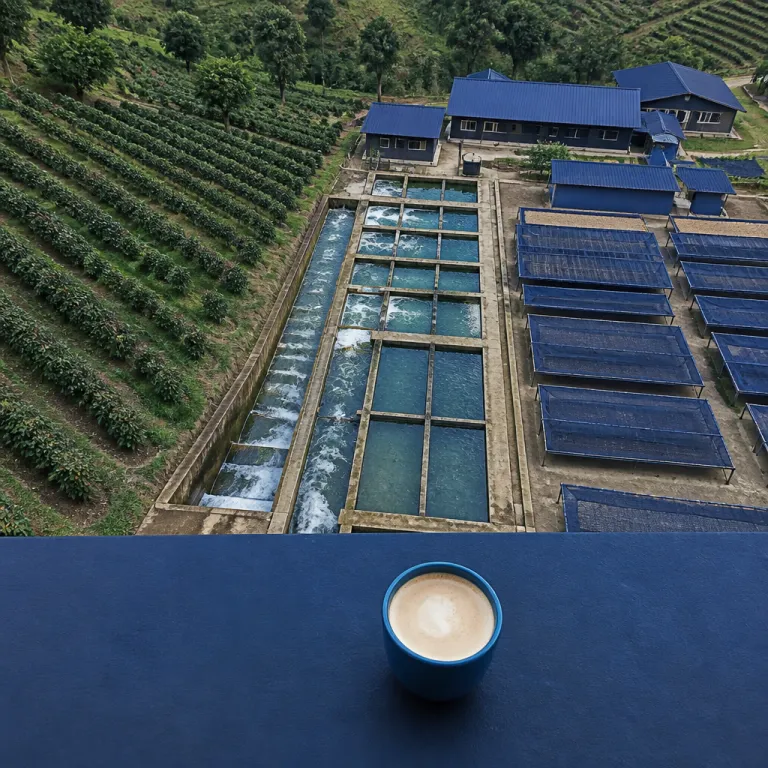
A visit to a Rwandan washing station is the most revealing way to understand why this small country punches above its weight in specialty coffee. You arrive on a dirt road that may trace a border ridge or a valley floor, then step into a choreography of weighing, sorting and pulping that runs with almost military precision. For a solo traveller used to city cafés, the scale of labour and the degree of care can be quietly humbling.
During harvest, which typically runs from around March into July depending on altitude, you will see farmers queue with sacks of ripe red cherries that are checked for quality before payment. The cherries move through flotation tanks, pulpers and fermentation channels, and local authorities sometimes work with cooperatives to ensure that water use and waste are managed with a high degree of environmental precautions. As you walk the raised drying beds, staff will explain how defects are removed by hand, how moisture is monitored and why a few hours too long in the sun can mean a real financial risk for the cooperative.
Many travellers pair a washing station visit with a broader route that links Akagera to Nyungwe via Kigali, using the capital as a pivot between savannah, rainforest and coffee hills. Planning this kind of journey is easier with a specialist who understands both road conditions and seasonal patterns, and this is where a knowledgeable travel agent or driver guide becomes invaluable for anyone travelling alone. For a detailed look at how to stitch these regions together, including lesser known backroads, see this guide to the south to east route most Rwanda travellers never consider.
The Lake Kivu coffee corridor and LUX* Lake Kivu
Lake Kivu is where Rwanda’s coffee story meets slow travel, with estates stepping down to the water and washing stations perched above quiet bays. The rubavu district on the northern shore has become a natural base for travellers who want both lakeside downtime and access to the coffee corridor that runs south along the hills. Here, the air is softer, the light more languid, and the cup in your hand often comes from trees you can see across the water.
LUX* Lake Kivu, a recent arrival on the shoreline, has woven curated coffee experiences into its lakeside stay, from guided tastings of different Rwandan terroirs to visits with nearby cooperatives. A solo traveller can spend the morning on a boat crossing to a peninsula farm, walk the rows with a local agronomist, then return to the hotel for a structured cupping that translates those slopes into flavour notes. This kind of programme turns visiting Rwanda into a sensory education, where you learn why beans from the rubavu district differ from those grown further south or near the volcanic soils that face Congo DRC.
Back in Kigali, design forward addresses such as Zaria Court have started to treat coffee with the same seriousness as their interiors and service. If you are considering a stay in the sports city district, this review of the sports city hotel betting on lifestyle over location shows how an urban property can anchor a wider coffee themed itinerary. Between the capital and Lake Kivu, you can build a route where every check in brings a new expression of Rwandan coffee, from espresso at sunrise to a pour over on a private deck above the lake.
Pairing coffee estates with Rwanda’s national parks
For many travellers, the headline experiences in Rwanda remain gorilla tracking in Volcanoes National Park, big game drives in Akagera National Park and forest walks in Nyungwe Forest. Coffee estates and washing stations do not compete with these icons ; they frame them, offering quieter days that help you absorb what you have seen in the bush. The key is to plan your travel Rwanda route so that coffee days fall between high intensity wildlife encounters.
One elegant pattern is to start in Kigali Rwanda, head east to Akagera for two or three nights, then return via the capital to the western coffee belt and Lake Kivu. From there, you can move north towards Volcanoes National Park for a gorilla trek, then continue to Nyungwe Forest for canopy walks and colobus sightings before looping back to the city. This circuit keeps driving times reasonable while giving you repeated chances to visit estates, taste different lots and speak with farmers about how climate, altitude and soil affect both yield and cup quality.
For a deeper dive into how luxury lodges inside and around the parks are evolving, including their coffee programmes, this overview of Rwanda luxury safari stays in national parks is a useful starting point. You will notice that many properties now serve single origin Rwandan coffee, sometimes from specific cooperatives they support, and some arrange private tastings between game drives. When you leave the country with a bag of beans in your luggage, it carries not just flavour but a map of the landscapes you have crossed, from savannah to rainforest to lakeshore.
Practicalities for solo travellers in Rwanda’s coffee regions
Travelling alone through Rwanda’s coffee country is surprisingly straightforward, provided you respect the same health, security and logistics considerations that apply elsewhere in Africa. You will need a valid passport, and depending on your nationality and recent travel history, you may be asked for proof of yellow fever vaccination at the border or on arrival. Before visiting Rwanda, check the latest travel advice from your own foreign ministry, high commission or consular service, and consider speaking with a specialist travel agent who understands local conditions.
Health precautions are part of any responsible journey, especially when you move between rural areas, national parks and urban centres. Comprehensive travel insurance that covers medical evacuation and private health care is strongly recommended, as the best facilities are concentrated in Kigali and a few regional hubs. While Rwanda has managed public health risks such as Ebola disease in neighbouring countries with a high degree of vigilance, you should still exercise high awareness of basic hygiene, food safety and mosquito protection to reduce the risk of fever or other disease.
Security in Rwanda’s main travel corridors, including routes to Lake Kivu, Volcanoes National Park, Nyungwe Forest and Akagera, is generally stable, and local authorities maintain a visible presence on key roads. Areas near the border with Congo DRC can be more sensitive, so follow official travel advice, listen to your lodge and driver, and apply a sensible degree of caution when planning side trips. When you travel Rwanda for coffee, wildlife or both, the same principles apply ; stay informed, respect guidance on visiting rural communities, and remember that your choices as a guest will shape how welcome the next traveller feels.
FAQ
When is the best time to visit Rwanda for coffee experiences ?
The main coffee harvest in Rwanda usually runs from around March into July, with some variation depending on altitude and microclimate. Visiting during this period gives you the best chance to see washing stations in full operation, from cherry delivery to drying on raised beds. Outside harvest, estates are quieter but still worth visiting for cuppings, farm walks and lakeside stays around Lake Kivu.
Can I combine gorilla trekking with coffee estate visits on one trip ?
Yes, combining gorilla trekking in Volcanoes National Park with coffee visits is one of the most rewarding ways to structure a journey. Many travellers spend a few days near the park for gorilla tracking, then continue to Lake Kivu or the rubavu district to explore nearby coffee farms and washing stations. With good planning, you can also add Akagera or Nyungwe Forest to create a loop that balances wildlife, landscapes and coffee culture.
Is Rwanda safe for solo travellers interested in rural coffee regions ?
Rwanda is widely regarded as one of the safer countries in Africa for solo travellers, including those heading into established coffee regions. Main routes between Kigali, Lake Kivu, Volcanoes National Park and Nyungwe Forest are well used, and reputable lodges work closely with local authorities on guest security. As always, follow current travel advice from your own government, use trusted drivers or guides and exercise normal caution when moving around rural areas.
Do I need special permits or bookings to visit washing stations ?
Most washing stations and cooperatives welcome visitors, but they usually require advance notice and sometimes a small fee or purchase. Your lodge, driver guide or travel agent can arrange appointments, translation and transport, especially during the busy harvest months. Turning up unannounced is discouraged, as it can disrupt operations and does not respect the cooperative’s workflow.
What should I look for when buying Rwandan coffee to take home ?
When buying coffee in Rwanda, look for clearly labelled origin information, including region, cooperative or estate name, altitude and processing method. Freshness matters, so ask when the coffee was roasted and choose whole beans if you have a grinder at home. Many high end hotels and roasters in Kigali and Lake Kivu work directly with cooperatives, which helps ensure quality and a fairer share of value for farmers.