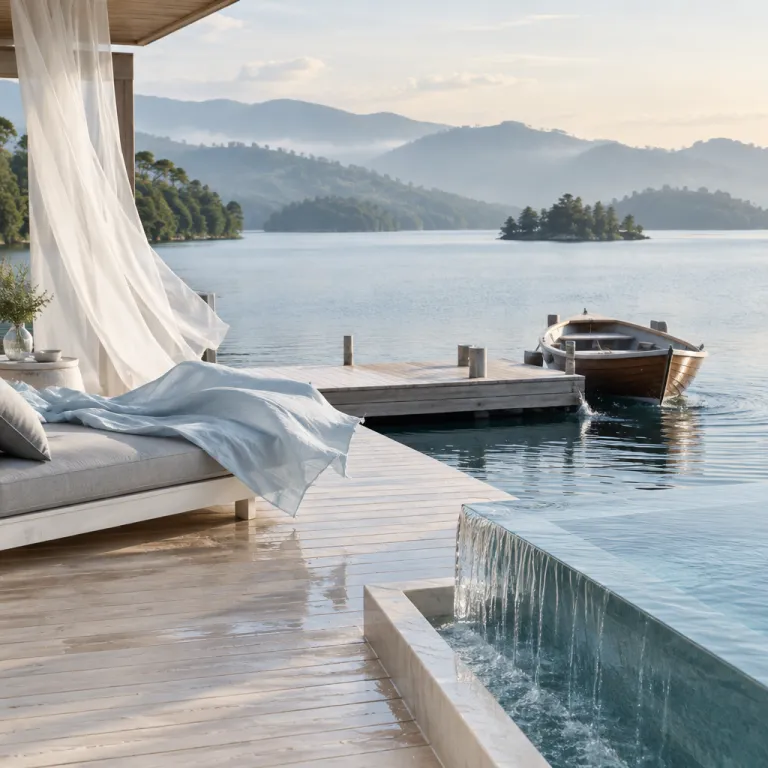
Kivu-see and the art of lakeside luxury in Rwanda
“Kivu-see” is a coined term used by some Rwanda travel specialists to describe a refined way of experiencing Lake Kivu: slow, design-led, and closely connected to the water and surrounding hills. Around the tranquil expanse of Lake Kivu, luxury hotels now blend discreet architecture with immersive access to lake and forest landscapes, creating a calm base for wider journeys across this part of Africa. For travelers comparing premium stays along different lakes in East Africa, kivu-see represents a curated approach that connects elegant comfort with the region’s most compelling natural experiences.
The shoreline between Gisenyi and Rubavu has become the heart of kivu-see, where high end properties step down gently to the lake shores. From these terraces you look across the water towards the Democratic Republic of the Congo (DRC), with the hazy outline of the Congolese hills reminding you that this is one of the great lakes of central Africa. Many travelers pair a stay on Lake Kivu with time in a national park for gorilla trekking, using kivu-see hotels as a restorative pause between more demanding safaris.
Because Lake Kivu is shared between Rwanda and the neighbouring Democratic Republic of the Congo, the cross border story is part of every lakeside view. The lake itself is unusual among African lakes, holding large quantities of methane and carbon dioxide in its deep waters, which are now carefully managed as strategic natural resources for kivu Rwanda. Responsible hotels explain how kivu lake is monitored and how the lake’s water remains safe for swimming and water sports, which reassures guests who have read about gas rich lakes elsewhere in the region.
Choosing a luxury base on Lake Kivu’s northern shores
The northern curve of Lake Kivu around Gisenyi is where kivu-see feels most cosmopolitan. Here, premium hotels line a broad beach, offering suites that face directly onto the water and frame sunsets over the DRC in soft amber light. Guests who want a relaxed alternative to a traditional safari often spend several nights here, combining spa time with gentle lake tours and short drives into the surrounding hills of Rwanda.
In Gisenyi, kivu-see properties differentiate themselves through service style and access to experiences rather than sheer size. Some hotels focus on wellness, with lakeside yoga decks and freshwater pools that seem to merge with the lake shores, while others emphasize gastronomy with menus built around local tilapia and the small pelagic isambaza (a sardine-like fish related to species from Lake Tanganyika). Evening cocktails on rooftop terraces have become a quiet highlight of Rwanda lake travel, and those who enjoy urban sophistication can explore Kigali’s refined nightlife through curated experiences such as the Kigali after dark hotel bars and rooftop lounges guide.
Travelers comparing kivu-see hotels should look beyond room photos and examine how each property connects them to the wider story of Rwanda democratic development and conservation. Some lakeside retreats, such as Lake Kivu Serena Hotel or Cleo Lake Kivu Hotel, arrange private transfers to Volcanoes National Park, allowing guests to move seamlessly from a morning swim in Lake Kivu to an afternoon briefing for gorilla trekking. Others organize cross border views and cultural encounters that explain the relationship between Rwanda, the neighbouring democratic republic, and the broader Great Lakes region of East Africa.
Hidden islands, quiet beaches, and kivu-see’s softer side
South of Gisenyi, the kivu-see experience becomes more intimate as the shoreline breaks into coves, peninsulas, and small island retreats. Luxury and premium hotels here tend to be smaller, with fewer rooms and a stronger focus on privacy, which suits travelers seeking calm after a demanding safari in a national park. Many of these properties sit above secluded beach stretches where the only sounds are waves against the shores lake and the calls of water birds moving between nearby islands.
Boat tours are central to this softer side of kivu-see, and high end hotels often operate or curate their own lake tours. Guests can glide across the water at sunrise, passing fishing canoes that still rely on traditional methods to catch tilapia and isambaza, while guides explain how local communities balance livelihoods with the protection of fragile species. Some itineraries include visits to coffee farms on steep slopes above the lake, where you can trace the journey from cherry to cup and understand how Rwanda’s natural resources support both export markets and community development.
For travelers fascinated by the wider African lakes system, Lake Kivu sits between Lake Tanganyika to the south and the Nile Trail routes that follow the Congo Nile divide across Rwanda. Kivu-see hotels often help guests compare these landscapes, explaining how the congo nile watershed shapes climate, agriculture, and wildlife corridors across this part of East Africa. Those interested in deeper context about Rwanda and Africa’s hidden luxury escapes can prepare their trip by reading an analysis of intriguing insights and hidden luxury escapes in Rwanda and Africa.
From lake to forest: pairing kivu-see with Rwanda’s national parks
One of the strongest arguments for choosing kivu-see as a base is how easily it pairs with Rwanda’s national park network. Many travelers fly into Kigali, head straight to Volcanoes National Park for gorilla trekking, then unwind on Lake Kivu before continuing to Nyungwe or Akagera for contrasting safaris. This circuit links three very different ecosystems, allowing you to experience mountain forest, savannah, and lake shores within a relatively compact area of Rwanda.
High end hotels on Lake Kivu have refined the logistics of these combinations, offering private transfers, flexible check in times, and luggage storage for guests moving between safaris and lakeside stays. Some properties maintain close relationships with specialist operators who run low impact safaris in Akagera National Park, where you can look for big game species such as lion, elephant, and giraffe before returning to the calm water of kivu-see. Others work with guides in Nyungwe National Park, where primate tracking and canopy walks provide a different perspective on Rwanda’s natural resources and its role within the wider African conservation story.
Because Lake Kivu lies along the border with the neighbouring democratic republic, conversations about security and regional dynamics are common in hotel lounges. Reputable properties provide clear, up to date information about travel conditions, explaining the difference between Rwanda, the Democratic Republic of the Congo to the west, and the broader political context of the Great Lakes region. Travelers who want to understand how tourism revenue supports conservation and communities can consult independent analyses of which Rwanda hotels meet their sustainability promises, such as the report on plastic free and carbon counted hotels invested in local communities.
Water, science, and safety: understanding Lake Kivu’s unique character
Lake Kivu is not just scenic; it is also scientifically unusual, which shapes how kivu-see hotels operate and communicate with guests. Deep below the surface, the lake holds large quantities of dissolved methane and carbon dioxide, trapped by temperature and density layers that rarely mix. This combination has led to comparisons with other African lakes, but the situation on Lake Kivu is different because of active management and careful monitoring by Rwandan and international experts.
In recent years, controlled extraction of methane from Lake Kivu has turned a potential risk into a valuable energy resource for kivu Rwanda. Public sources indicate that the lake’s deep waters contain on the order of tens of cubic kilometres of methane gas, and projects such as KivuWatt (with an installed capacity of roughly 26 MW in its first phase) convert part of this resource into electricity, reducing reliance on imported fuels and supporting national development goals, while also lowering gas concentrations in the deepest layers of kivu lake. Luxury hotels along the shore often invite specialists to brief guests on these projects, explaining how carbon dioxide and methane levels are tracked and why swimming and water sports remain safe in designated areas.
For travelers, the key takeaway is that Lake Kivu’s water quality is regularly tested and that reputable hotels follow national guidelines for lake access. Many properties maintain private jetties where guests can kayak, paddleboard, or sail under the supervision of trained staff, enjoying the calm surface while understanding the complex geology beneath. This blend of leisure and learning has become part of the kivu-see identity, setting it apart from more conventional beach destinations elsewhere in East Africa and reinforcing Rwanda’s reputation for careful stewardship of its natural resources.
Local culture, cross border stories, and the wider Great Lakes context
Staying at a kivu-see property is also an invitation to engage with local culture along one of Africa’s most storied lakes. Fishing villages, hillside farms, and small towns around Gisenyi and further south towards Karongi reveal how communities have adapted to life between water and steep volcanic slopes. Many luxury hotels now work closely with local cooperatives, offering guided walks, craft workshops, and culinary experiences that go beyond the usual safari narrative.
The cross border nature of Lake Kivu means that conversations often extend to the neighbouring republic Congo and the wider democratic republic region. From the Rwandan side, you can see the city of Goma across the water, and some guides share family histories that span both Rwanda and the DRC, illustrating how the Great Lakes have long connected rather than separated communities. Responsible kivu-see operators encourage guests to approach these stories with sensitivity, recognizing both the challenges and the resilience that define life along this frontier.
For travelers mapping a longer journey across East Africa, Lake Kivu can be one stop on a chain that includes Lake Tanganyika, the Nile Trail routes, and other rwanda lake destinations. Some itineraries follow the congo nile divide by bicycle or on foot, linking different lakes and national parks while staying in a mix of luxury lodges and premium hotels. In every case, the most rewarding experiences come when guests engage with local guides, respect the rhythms of lakeside life, and choose properties that invest meaningfully in both conservation and community wellbeing.
Key figures and environmental context for Lake Kivu and kivu-see
- Lake Kivu covers roughly 2 700 square kilometres, making it one of the largest lakes in the African Great Lakes region and a central feature of kivu-see itineraries for Rwanda.
- The maximum depth of Lake Kivu reaches about 485 metres, which contributes to the stable stratification that traps methane and carbon dioxide in deep layers while keeping surface water suitable for recreation.
- Scientific assessments suggest that Lake Kivu holds a very large volume of dissolved methane gas in its deep waters—sufficient to support long term power generation projects—although estimates vary and are periodically updated as monitoring improves.
- Hydropower and methane to power projects on Lake Kivu, including KivuWatt and smaller plants, contribute a notable share of Rwanda’s electricity supply; public figures indicate that methane based generation represents a meaningful but still evolving portion of installed capacity, supporting national development while forming part of the environmental narrative that luxury hotels explain to guests.
- Volcanoes National Park, often combined with Lake Kivu stays, protects a portion of the estimated 1 000 mountain gorillas remaining in the wild, making gorilla trekking one of the most tightly regulated and high value wildlife experiences in East Africa.
FAQ about kivu-see, Lake Kivu, and luxury stays in Rwanda
Is it safe to swim in Lake Kivu near luxury hotels ?
Swimming is considered safe in designated areas along Lake Kivu where reputable hotels operate, because surface water is regularly tested and monitored by Rwandan authorities. The methane and carbon dioxide that make the lake unique are concentrated in deep layers, far below recreational zones. Guests should always follow local guidance, use supervised swimming areas, and respect any seasonal advisories issued by their hotel.
How many days should I spend at Lake Kivu during a Rwanda trip ?
Most travelers planning a kivu-see stay combine two to four nights on Lake Kivu with time in at least one national park. Two nights allow for a relaxed pause between gorilla trekking and a savannah safari, while three or four nights give you time for boat tours, cultural visits, and unhurried beach time. Longer stays suit guests who want to work remotely or recover from long haul flights in a calm lakeside setting.
Can I combine Lake Kivu with gorilla trekking and other safaris in one itinerary ?
Yes, Lake Kivu fits naturally into a classic Rwanda circuit that includes Volcanoes National Park for gorilla trekking and Akagera National Park for big game safaris. Many high end operators design seamless itineraries that move from Kigali to the gorilla mountains, then down to Lake Kivu, and finally across to Akagera or Nyungwe. This approach lets you experience forest, lake, and savannah ecosystems without long internal flights.
What kind of activities are available around Lake Kivu besides relaxing on the beach ?
Beyond beach time, kivu-see guests can enjoy boat tours to islands, guided kayaking, and low impact water sports along the calmer sections of the lake. On land, popular options include coffee and tea estate visits, village walks with local cooperatives, cycling sections of the Congo Nile Trail, and birdwatching along the lake shores. Many hotels also offer spa treatments, yoga sessions, and curated dining experiences that highlight regional ingredients.
How does Lake Kivu compare with other Great Lakes destinations in East Africa ?
Lake Kivu offers a quieter, more intimate atmosphere than larger hubs on Lake Victoria or Lake Tanganyika, with a stronger focus on combining lakeside relaxation with Rwanda’s national park experiences. The kivu-see concept emphasizes sustainability, community partnerships, and scientific storytelling about methane extraction, which differentiates it from more conventional resort areas. For travelers seeking both comfort and depth, Lake Kivu often feels like a refined counterpart to better known Great Lakes destinations.