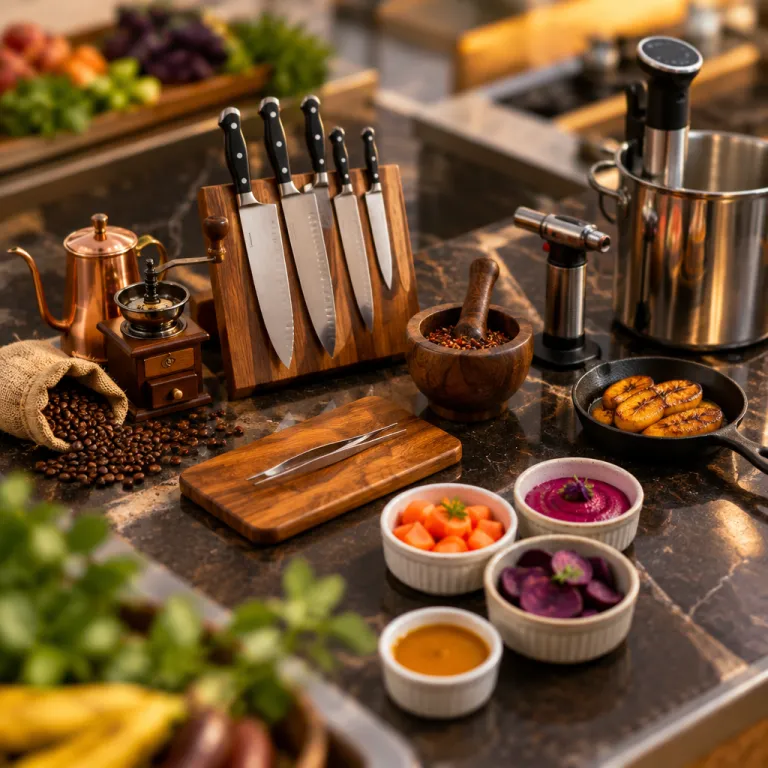
Food in Rwanda as the quiet luxury of your hotel stay
Food in Rwanda shapes the entire mood of a luxury stay. In high-end properties across the country, chefs use local ingredients to turn every meal into a refined sense of place. When you book a premium hotel, the way traditional dishes are sourced, cooked, and served becomes as important as the view from your suite.
In Kigali, leading hotels now design tasting menus that trace a journey through Rwandan cuisine. At properties such as The Retreat by Heaven or Kigali Marriott Hotel, you might begin with delicate canapés of beans and cassava purée, then move to grilled meat brochettes with tomato-and-onion relishes, and finish with desserts based on bananas and sweet potatoes. This approach to cuisine in Rwanda allows travelers to understand how city dining rooms connect with rural areas where many ingredients are grown.
Luxury properties near Lake Kivu and each national park increasingly highlight classic recipes in elegant ways. A lakeside resort may present deep-fried plantains as a refined side dish, paired with slow-cooked cassava leaves and fragrant beans, while a lodge near a national park might offer plates of roasted meat and potatoes inspired by local street food. In both settings, the country’s cooking becomes a narrative about land, climate, and people, rather than just a list of dishes on a menu.
Guests who care about authenticity often ask how local markets influence hotel cuisine. In Kigali, chefs visit Kimironko and Nyamirambo markets at dawn to select cassava flour, fresh coffee beans, and ripe bananas that will appear on menus that same evening. This direct link between small-scale producers and hotel kitchens ensures that every dish served reflects both the season and the wider East African region.
For travelers comparing luxury options, it helps to look beyond room categories and spa menus. Ask how often the hotel changes its Rwandan cuisine offerings, whether plantains and cassava leaves come from nearby rural areas, and how the team interprets traditional recipes. The most memorable stays in Rwanda are often defined by a single plate of food that captures the country’s quiet confidence and culinary ambition.
Culinary innovations in Kigali’s luxury hotels
Kigali has become the stage where food in Rwanda meets contemporary fine dining. In the capital, luxury hotels collaborate with young chefs who treat heritage dishes as a canvas for innovation while respecting every traditional technique. This balance allows guests to taste cooking that feels both rooted and forward-looking during a single stay.
Many premium properties in Kigali design menus that reinterpret street food from local markets. A simple meat brochette, once served on a roadside grill, might arrive as a miniature dish of skewered beef with cassava flour crisps and a reduction of tomatoes and onions. Deep-fried plantains can appear as a refined garnish, while bean-and-cassava stews are transformed into silky purées that anchor plates of grilled fish or roasted meat.
Hotels that take cuisine in Rwanda seriously often invest in open kitchens and chef’s tables. Guests can watch as bananas are caramelized, sweet potatoes are roasted, and cassava leaves are slowly cooked with beans and spices, turning familiar home-style food into something quietly luxurious. Coffee from the country’s highlands is brewed tableside, reinforcing how local flavors and beverage rituals shape the rhythm of a stay.
For travelers interested in how fine dining is evolving, one useful reference is the detailed guide to all-Rwandan kitchens redefining high-end gastronomy in Kigali, available through this resource on Rwandan kitchens rewriting what fine dining means in Kigali. Reading about these projects before booking helps you identify hotels where regional cuisine is central, not an afterthought. It also reveals which properties treat local farmers, coffee cooperatives, and rural areas as long-term partners rather than anonymous suppliers.
Innovation does not mean abandoning traditional flavors or beloved dishes. Instead, chefs in Kigali often plate classic beans, potatoes, and cassava leaves alongside East African seafood or imported cuts of meat, creating layered plates that still taste unmistakably of Rwanda. When you evaluate hotel restaurants online, look for menus that mention plantains, cassava, bananas, and coffee as clearly as they mention champagne or caviar.
From farm to plate: how luxury hotels source Rwandan ingredients
Behind every memorable plate of food in Rwanda lies a supply chain that matters. Luxury hotels increasingly understand that guests want meals made from traceable ingredients grown in the country’s fertile rural areas. When a property can explain exactly where its cassava, beans, and sweet potatoes come from, it signals a deeper respect for both local cuisine and surrounding communities.
Many high-end lodges near a national park now partner with cooperatives that grow cassava leaves, bananas, and potatoes on small plots. According to the National Agricultural Export Development Board (NAEB), more than 70 percent of Rwandans are employed in agriculture, so these partnerships have a direct social impact. Ingredients travel only a short distance before they are cooked, fried, or deep-fried in hotel kitchens, then served as refined versions of everyday dishes. This approach reduces transport emissions, supports farmers, and gives guests a more vivid sense of how regional cooking is rooted in specific landscapes.
In Kigali, some premium hotels run their own herb gardens and small demonstration farms. Guests can walk through rows of tomatoes and onions, cassava, and beans before tasting the same produce in a traditional dish at dinner, perhaps alongside grilled meat brochettes or roasted plantains. Coffee tastings often highlight beans sourced from cooperatives near Lake Kivu, linking the aroma in your cup directly to misty hillsides you may visit later in your trip.
Rwandan gastronomy also includes beverages that tell a story about land and labor. Banana beer, brewed from ripe bananas and often enjoyed in rural areas, now appears on curated tasting menus in luxury properties, sometimes paired with deep-fried cassava snacks or slow-cooked bean-and-cassava stews. When hotels present banana beer with the same care as imported wine, they elevate local food culture while giving guests a more nuanced view of the country.
As you compare hotel options, ask specific questions about sourcing. Does the property buy cassava flour and plantains from local markets, or rely mainly on imports that dilute the sense of place on the plate? Are beans, potatoes, and cassava leaves grown near a national park or Lake Kivu, or transported from far away? Clear, confident answers are a strong indicator that the hotel treats food in Rwanda as a pillar of its identity, not just a service.
Signature Rwandan dishes reimagined for luxury travelers
Many travelers arrive with a simple question about food in Rwanda. They want to know which dishes they should not miss, and how luxury hotels interpret those classics without losing their soul. The best properties respond with tasting journeys that move from humble street food roots to polished plates worthy of a special occasion.
One emblematic traditional combination is beans with cassava or potatoes, often cooked slowly until the flavors meld. In a premium hotel, this might appear as a small dish of bean-and-cassava purée topped with seared meat brochettes and a drizzle of coffee-infused jus, served on fine porcelain. Plantains, once simply fried or deep-fried in home kitchens, can become crisp wafers that add texture to desserts based on bananas and sweet potatoes.
Hotels near Lake Kivu often highlight grilled fish as a centerpiece of food in Rwanda. Chefs may serve fillets with cassava flour crusts, alongside sautéed cassava leaves and roasted tomatoes and onions, creating a plate that feels both coastal and unmistakably East African. In contrast, lodges near a national park might focus on hearty meat dishes, pairing slow-cooked goat or beef with potatoes, beans, and deep-fried plantains that echo the flavors of rural areas.
Street food from Kigali’s local markets also finds its way into luxury menus. A simple skewer of meat brochettes, once served with only salt and chili, can be reimagined as a trio of tasting bites, each paired with a different sauce based on bananas, coffee, or cassava leaves. This approach allows guests to experience everyday flavors and celebratory dishes during a single meal.
When reading hotel descriptions, look for clear references to Rwandan cuisine rather than generic international dishes. Menus that highlight beans, cassava, plantains, bananas, and sweet potatoes show that the property is committed to food in Rwanda as more than a trend. Over the course of a stay, these thoughtful plates become a quiet but powerful memory of the country itself.
Designing your stay around food in Rwanda
Planning a luxury trip to Rwanda increasingly means planning around meals. Food in Rwanda can shape your itinerary as much as gorilla trekking or a sunset cruise on Lake Kivu. By choosing hotels that prioritize regional cuisine, you turn every breakfast, lunch, and dinner into part of your journey.
In Kigali, consider starting with a property known for its tasting menus of signature dishes. Spend a night where breakfast might include fried plantains, bean-and-cassava stews, and freshly brewed coffee, while dinner explores traditional recipes with modern techniques. From there, you can move to a lakeside resort where the culinary focus is on grilled fish, cassava leaves, and bananas, all sourced from nearby rural areas and local markets.
When you head toward a national park, look for lodges that integrate local cuisine into their daily rhythm. After a morning game drive, you might return to a lunch of deep-fried cassava bites, roasted potatoes, and meat brochettes served on a terrace overlooking the forest. Evening meals can highlight banana beer pairings, beans, and sweet potatoes cooked slowly until they echo the warmth of a campfire.
Online booking platforms now allow you to filter properties by restaurant quality and culinary focus. Use this to identify hotels that mention Rwandan food, cassava flour, plantains, and coffee in their descriptions, rather than only international buffets. Reading guest reviews that praise specific dishes, from street food–inspired snacks to refined tasting menus, is often more revealing than star ratings alone.
If you enjoy comparing destinations, you might also appreciate curated guides to elegant stays in other regions, such as the article on elegant stays at luxury hotels in Tuscany for discerning travelers. Such comparisons highlight how Rwanda’s focus on beans, cassava, bananas, and East African flavors offers a distinct alternative to European cuisine. In the end, designing your stay around food in Rwanda ensures that every hotel choice deepens your connection to the country.
How luxury hotels interpret Rwandan food rituals
Beyond individual dishes, food in Rwanda is shaped by rituals that luxury hotels are learning to honor. Shared plates of beans, cassava, and plantains reflect a culture where meals are social events rather than quick refueling stops. When a property understands these rhythms, local cuisine becomes a way to slow down and connect with both hosts and fellow guests.
In Kigali, some high-end hotels now offer communal tables where traditional dishes are served family style. Large platters of fried plantains, potatoes, and meat brochettes sit alongside bowls of cassava leaves and bean-and-cassava stews, encouraging conversation among travelers who might otherwise dine alone. Coffee ceremonies, where beans from Lake Kivu are roasted and brewed in front of guests, turn a simple drink into a shared experience rooted in the country’s highland farms.
Rituals around banana beer also appear in curated tastings at lodges near a national park or in rural areas. Guests can sample different styles of banana beer paired with deep-fried cassava snacks, grilled meat, or sweet potatoes, learning how this beverage fits into celebrations and everyday life. These sessions show that food in Rwanda is not only about what is cooked and served, but also about how and with whom it is enjoyed.
Luxury properties increasingly train their teams to explain the meaning behind traditional customs at the table. Staff might describe why certain dishes combine beans, cassava flour, and bananas, or how local markets influence what appears on the menu each season. This storytelling builds trust and helps guests appreciate that cuisine in Rwanda is part of a wider East African tapestry, not an isolated trend.
For travelers choosing between hotels, it is worth asking how the property handles these rituals. Does the restaurant simply plate local food in a Western style, or does it create moments where sharing, conversation, and local customs shape the meal? When a hotel respects both the flavors and the rituals of food in Rwanda, your stay gains a depth that no room upgrade can match.
Balancing global expectations with authentic cuisine Rwanda
Luxury hotels in Rwanda walk a careful line between global expectations and authenticity. Guests arrive wanting familiar comfort foods, yet they also seek a genuine sense of place through food in Rwanda. The most successful properties manage to serve both without diluting the character of local cuisine.
Breakfast buffets in Kigali often illustrate this balance. Alongside pastries and international dishes, you may find fried plantains, bean-and-cassava stews, and sweet potatoes cooked with tomatoes and onions, all clearly labeled as traditional options. Coffee from Lake Kivu sits next to imported blends, allowing guests to taste how food culture extends into the cup as well as the plate.
Room service menus in high-end hotels near a national park or Lake Kivu follow a similar pattern. A guest can order a classic club sandwich, but also a dish of grilled meat brochettes with cassava flour flatbreads, deep-fried cassava chips, and sautéed cassava leaves. Street food influences appear in small plates of skewered meat, banana fritters, and beans, giving travelers a gentle introduction to cuisine in Rwanda even if they prefer to dine in their suite.
From an operational perspective, this balance requires careful sourcing and training. Kitchens must secure reliable supplies of cassava, beans, potatoes, and plantains from rural areas and local markets, while also meeting international standards for safety and presentation. Service teams need to explain traditional dishes confidently, helping guests understand why certain foods are cooked slowly, fried, or deep-fried, and how they fit into wider East African traditions.
For travelers using a luxury and premium hotel booking website, this balance should be visible in how properties describe their culinary philosophy. Look for mentions of Rwandan food, traditional recipes, and partnerships with local farmers, not just generic references to “international cuisine”. When a hotel treats food in Rwanda as a defining feature rather than a side note, you can book knowing that every meal will bring you closer to the country you came to experience.
Key figures shaping luxury food experiences in Rwanda
- According to the Rwanda Development Board, tourism has become one of the country’s top foreign exchange earners, with visitor spending on accommodation and food services representing a significant share of total tourism revenue, underscoring how food in Rwanda now directly influences hotel performance.
- Data from the National Agricultural Export Development Board show that coffee remains one of Rwanda’s leading agricultural exports by value, which explains why luxury hotels increasingly highlight single-origin beans from regions near Lake Kivu in tasting menus and breakfast service.
- Surveys by regional hospitality consultancies indicate that a growing proportion of high-end travelers to East African destinations now cite “local cuisine experiences” as a primary factor in hotel choice, encouraging Rwandan properties to feature traditional dishes, banana beer, and ingredients like cassava leaves more prominently.
- Market analyses of Kigali’s hospitality sector report a steady increase in upscale and luxury room inventory, which has intensified competition and pushed hotels to differentiate through Rwandan cuisine, farm-to-table sourcing from rural areas, and partnerships with local markets.
- International travel trend reports note that experiential dining, including chef’s tables and market-to-kitchen tours, commands premium pricing, a pattern reflected in Rwanda where lodges near a national park or Lake Kivu now package food-in-Rwanda experiences alongside wildlife or lake activities.
FAQ about luxury hotel dining and food in Rwanda
Which traditional Rwandan dishes should I try in a luxury hotel ?
Look for bean-and-cassava stews, grilled meat brochettes, fried or deep-fried plantains, cassava leaves cooked with groundnuts, and desserts based on bananas and sweet potatoes. Many hotels in Kigali and near Lake Kivu reinterpret these Rwandan dishes in refined ways while keeping their core flavors. Asking for a tasting menu focused on local cuisine is often the best way to sample several classics in one evening.
How can I tell if a hotel uses locally sourced ingredients ?
Hotels that take food in Rwanda seriously usually mention partnerships with farmers in rural areas, cooperatives near a national park, or suppliers around Lake Kivu. Menus often highlight local markets, specific regions for coffee, and seasonal availability of cassava, beans, and plantains. You can also ask staff directly where their cassava flour, tomatoes, onions, and bananas come from, and expect clear, confident answers.
Is Rwandan food suitable for vegetarian or vegan travelers ?
Many elements of food in Rwanda are naturally plant-based, including beans, cassava, potatoes, plantains, and sweet potatoes. Luxury hotels can usually adapt traditional recipes by serving cassava leaves, bean-and-cassava stews, and fried plantains without meat, while still reflecting authentic cuisine Rwanda. Inform the hotel in advance so chefs can design dishes that match your dietary needs.
What role does coffee play in luxury hotel experiences in Rwanda ?
Coffee from Rwanda, especially regions near Lake Kivu, is a cornerstone of many high-end hotel offerings. Properties often organize tastings where guests sample different roasts, learn about beans grown in rural areas, and pair coffee with small Rwandan dishes or desserts based on bananas and cassava flour. These experiences turn a daily beverage into a deeper introduction to food in Rwanda and its agricultural heritage.
Can I experience Rwandan street food safely through my hotel ?
Yes, many luxury hotels recreate street food from Kigali’s local markets in controlled, hygienic settings. You might find skewers of meat brochettes, deep-fried cassava bites, and banana fritters served as bar snacks or part of a tasting menu focused on cuisine Rwanda. This approach lets you enjoy the flavors of East African street food while maintaining the safety and comfort standards expected in premium accommodation.