Hotel rwanda review reframed for modern luxury travelers
The phrase hotel rwanda review usually evokes the film Hotel Rwanda rather than a real stay in a contemporary African hotel. Yet for travelers heading to Rwanda for design-led retreats, the most relevant perspective today is not about the Hôtel des Mille Collines in Kigali but about how properties like One&Only Nyungwe House reinterpret history. Opened under the One&Only banner in 2018 after a full redesign of the former Nyungwe Forest Lodge, this hideaway in western Rwanda sits deep in tea country, where the conversation has shifted from the Rwandan genocide to how architecture, conservation and community now define a new kind of African hotel experience, according to both One&Only and the Rwanda Development Board.
Many guests still arrive with images of Don Cheadle as Paul Rusesabagina, the hotel manager portrayed in director Terry George’s 2004 film about the Mille Collines and its guests. That story, with its portrayal of Hutu soldiers, Tutsi families and the paralysis of the United Nations, shaped how many international travelers first imagined Rwanda. A thoughtful contemporary hotel review for this region now acknowledges that legacy briefly, then focuses on how the country’s top luxury properties emphasize forest restoration, tea estates and refined hospitality rather than replaying scenes of conflict and genocide, reflecting how Rwanda’s official tourism strategy highlights national parks, culture and high-end lodges.
One&Only Nyungwe House does this by occupying a former tea plantation manager’s residence and turning a colonial-era building into a calm, contemporary Rwandan retreat. The architecture keeps the bones of the original house yet wraps them in volcanic stone, timber and woven screens crafted by local artisans from nearby communities. According to One&Only, the redesign was led by a specialist safari-lodge design team that worked with Rwandan crafts cooperatives to source materials and commission bespoke pieces. In this sense, the property becomes a quiet response to the international narrative shaped by the film Hotel Rwanda, offering a different lens on what a hotel in Rwanda can represent for today’s luxury traveler.
From plantation house to design led forest retreat
The original plantation manager’s house at Gisakura once looked outward over tea rows with little reference to Rwandan culture. One&Only Resorts, working closely with local communities and the Rwanda Development Board, retained the structure but reoriented the hotel toward Nyungwe Forest National Park, so every suite now frames the treeline rather than the colonial past. This shift is crucial for any nuanced Rwanda hotel review that wants to move beyond the Mille Collines narrative and into the reality of the country’s western highlands, where mist, tea fields and indigenous forest now define the sense of place.
Inside, the design language is deliberately restrained compared with the volcanic drama of One&Only Gorilla’s Nest near Volcanoes National Park. At Nyungwe House, volcanic stone is used sparingly around fireplaces, while indigenous timber softens ceilings and window frames, and woven panels by local artisans filter the equatorial light. These details matter to design-conscious hotel guests who may know Rwanda through cinema yet now judge a Rwandan lodge by how it supports craftspeople, uses local stone and timber, and integrates with the forest rather than by how it dramatizes political history, with staff often explaining which cooperative produced a particular basket or textile.
For couples, the intimacy of just 22 rooms and suites means the hotel feels more like a private residence than a resort, especially at dusk when mist drifts in from the forest. Staff often light fireplaces and lanterns as the temperature drops, and the main lounge becomes a quiet gathering space for pre-dinner drinks. Here, the story is about private tea tastings on the terrace, quiet library corners and a design narrative that replaces the noise of the past with the sound of rain on a timber roof, while you read about Rwanda’s evolving luxury scene and the new projects reshaping Lake Kivu and Akagera National Park in the wider high-end travel landscape, guided by staff who are used to hosting honeymooners and design-focused guests.
Architecture that rewrites a difficult narrative
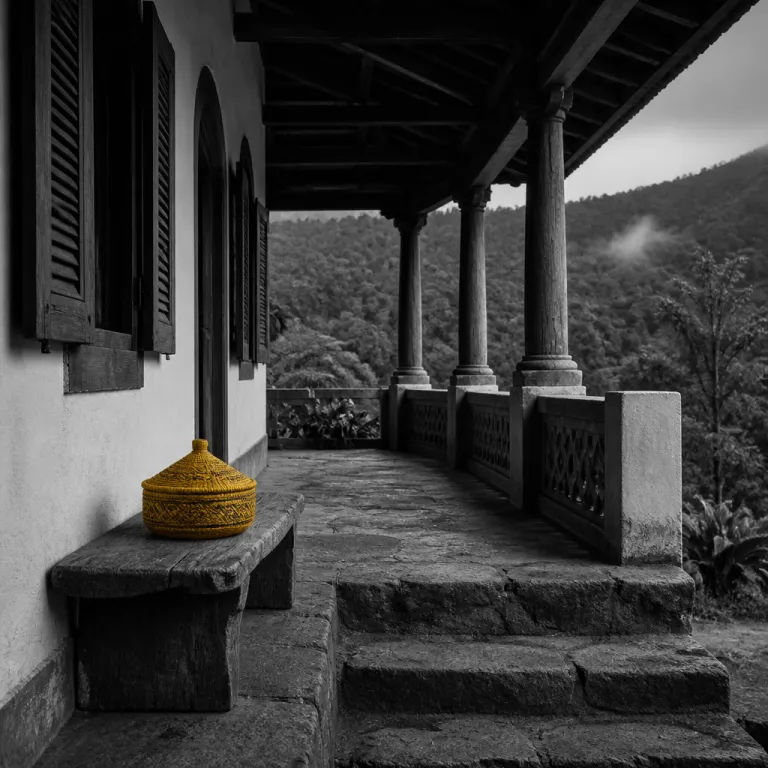
Nyungwe House sits at around 1,600 meters above sea level, where cool air and dense forest create a natural refuge. The architecture leans into this altitude, using deep verandas, heavy eaves and stone plinths to ground the hotel in the landscape, rather than elevating it as a colonial outpost. Any honest review of luxury hotels in Rwanda must acknowledge how different this feels from an urban business property in central Kigali, where city noise and traffic shape the experience and where the focus is often on conference facilities rather than on forest immersion.
Here, wide sliding doors open onto decks that face tea plantations and the forest canopy, and the only uniforms you see belong to guides leading you toward chimpanzee calls and birdwatching lookouts. Suites are arranged in low-slung clusters that step down the hillside, so even when the lodge is full, sightlines remain open to the trees rather than to neighboring terraces. At night, low-level path lighting protects the dark sky, and the main pool terrace becomes a quiet viewing platform for stars and distant lightning storms over the hills, with staff happy to point out constellations as you linger over a final drink.
This is where Rwanda’s conservation model becomes part of the design story, because the hotel’s layout nudges you outside, into guided walks and canopy experiences that support park management and local livelihoods through park fees and community employment. According to One&Only and Rwanda Development Board materials, tourism in Nyungwe contributes directly to forest protection and ranger programs. A thoughtful Rwanda travel review for today should therefore connect the emotional weight of the country’s history with its current focus on conservation, architecture and community partnerships that quietly repair what the world once only saw as a site of violence, highlighting how Nyungwe House channels tourism revenue into forest protection and skills training for local residents.
Forest, tea and the intimacy of 22 suites
Step onto your terrace at dawn and the first thing you notice is not a city skyline but a sea of tea bushes rolling toward Nyungwe Forest. The hotel’s low-slung buildings follow the contours of the former plantation, so suites feel tucked into the landscape rather than imposed upon it. For couples used to reading every Rwanda lodge review before booking, this immediate immersion in green, combined with cool mountain air and birdsong, is often the deciding factor when choosing between different luxury hotels in Rwanda.
With only 22 rooms and suites, Nyungwe House operates at a scale that encourages staff to remember your coffee order, your trekking preferences and even your preferred pillow. That intimacy stands in stark contrast to large city hotels, and it shapes the rhythm of each day: early breakfasts for trekkers, quiet mid-mornings by the pool, and unhurried dinners where there is time to discuss the next day’s plans with your guide. Here, the only urgency is whether you choose chimpanzee trekking, a canopy walk or a slow tea tasting before dinner, each experience framed by architecture that keeps you close to the forest and by staff who adjust timings around weather and wildlife updates.
Design details reward the observant traveler: handwoven baskets used as light shades, volcanic stone hearths that echo distant peaks, and textiles that reference traditional Rwandan patterns without slipping into pastiche. A nuanced review of this Rwandan forest retreat should highlight how these choices signal a confident African hotel identity, one that no longer needs validation from international awards juries, yet still understands that many guests arrive with a simplified image of Rwanda and leave with a more layered sense of the country’s creativity, resilience and hospitality, often reinforced by conversations with guides and spa therapists from nearby villages.
Chimpanzees, canopy walks and time as the real luxury
From Nyungwe House, chimpanzee trekking starts before sunrise, when you drive into the forest with guides who know every call and rustle. The hotel’s architecture supports this rhythm, with early breakfast layouts, mud-friendly entrances and drying spaces that make returning from the forest feel effortless rather than logistical. For couples planning a romantic stay, this balance between expedition energy and hotel calm is often more important than any line in a traditional city-hotel review, especially when they are comparing different Rwanda safari lodges.
Later in the day, the canopy walkway becomes a pre-dinner ritual, a suspended path where you watch the forest shift from bright green to deep blue as the light fades. Back at the hotel, the bar’s design — all dark timber, soft fabrics and low lighting — invites quiet conversation about the day’s sightings rather than about politics. Time stretches here, helped by the absence of traffic noise and by staff who understand when to appear with another drink and when to leave you alone with the view, while the kitchen sends out dishes that reference local ingredients such as tilapia, plantain and Rwandan coffee.
For travelers who first learned about Rwanda through news reports or classroom discussions, Nyungwe House offers a different education. A contemporary Rwanda hotel review should therefore guide readers toward this forest, this architecture and this slower pace, showing how a stay here complements time in Kigali and Volcanoes National Park, and how the country’s most thoughtful lodges now tell stories of resilience through design, conservation and quietly attentive service rather than through a single, harrowing narrative, with Nyungwe House standing as one of the clearest examples of this shift.
FAQ
How many rooms does One&Only Nyungwe House have ?
One&Only Nyungwe House has 22 rooms and suites, which keeps the property intimate and allows for highly personalized service for couples and small groups. This relatively small key count also helps the hotel maintain a calm atmosphere that suits the forest setting and the surrounding tea plantations.
What activities can couples enjoy from the hotel ?
Couples can join guided chimpanzee trekking, walk the famous canopy walkway, and explore tea plantations directly from the hotel. Many guests also enjoy private tea tastings, forest-bathing-style walks, birdwatching with specialist guides and relaxed afternoons by the pool overlooking the tea fields, often followed by spa treatments that use locally inspired ingredients.
How do you reach One&Only Nyungwe House from Kigali ?
Most travelers fly into Kigali International Airport and then either drive to Nyungwe, which typically takes around five to six hours depending on stops and road conditions, or arrange a helicopter transfer for a faster and more scenic journey of under an hour. The hotel or your tour operator can coordinate both options as part of a wider Rwanda itinerary that may also include Volcanoes National Park and Lake Kivu.
Is One&Only Nyungwe House suitable for a first trip to Rwanda ?
Nyungwe House works very well for a first visit, especially when combined with time in Kigali and a stay near Volcanoes National Park. The property offers a gentle introduction to Rwanda’s landscapes, culture and conservation story, with staff who are used to answering questions from guests who previously only knew the country through headlines or films and who now want a deeper understanding.
What is the climate like at Nyungwe House and what should I pack ?
The lodge sits at around 1,600 meters, so temperatures are cooler than in Kigali and rain showers are common throughout the year. Pack layers, a light waterproof jacket, good walking shoes and quick-drying clothing for forest activities, while keeping one smarter outfit for relaxed dinners at the hotel and a warm layer for evenings on the terrace.