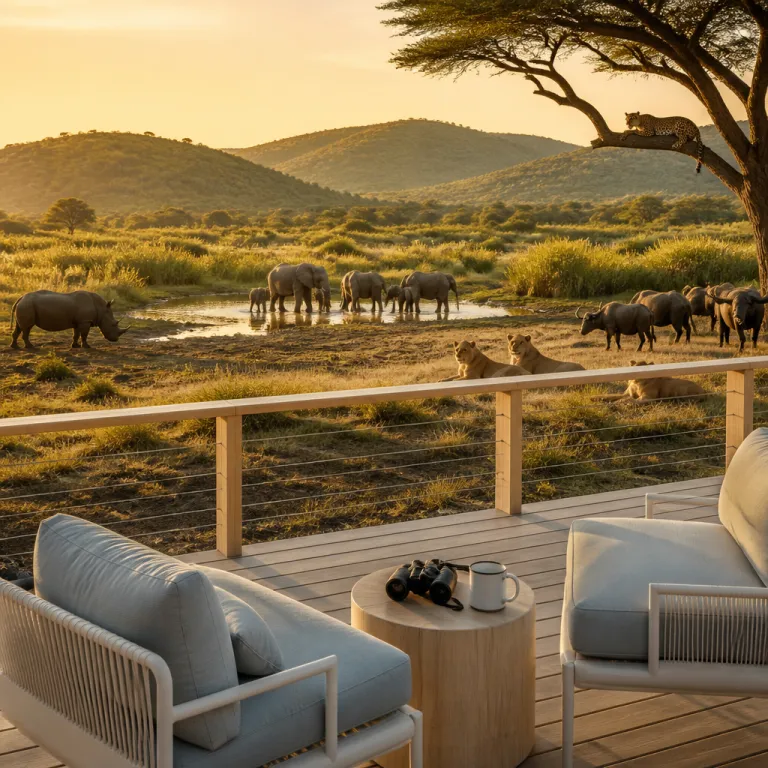
Akagera’s Big Five story and how it reshaped accommodation in Rwanda
Akagera National Park lies in Rwanda’s eastern lowlands, a long ribbon of savannah, wetland and lake that rewrites expectations of this compact country. Where many guests still picture only mist and volcanoes, this national park now delivers a fully restored Big Five safari, with lions and rhinos back on the plains after carefully managed reintroductions. That transformation has quietly changed how serious travelers think about accommodation in Rwanda and how they plan every night of a wider journey.
The park is located near Kayonza, roughly a two and a half hour drive from Kigali International Airport on mostly paved roads, which makes it unusually easy to fold into a short itinerary. African Parks, working with the Rwanda Development Board, turned a once neglected reserve of about 1,122 square kilometres into a functioning Big Five park in under a decade, and the conservation results are written in the numbers. According to recent park and African Parks reports, Akagera now protects more than one thousand square kilometres of land and over 8,000 large mammals, and this renewed wildlife density anchors a new generation of lodges and safari camps that treat conservation as their core purpose rather than a marketing line.
For travelers comparing Rwanda accommodation with Kenya or Tanzania, Akagera’s value is striking and very real. Game viewing is intimate, with far fewer vehicles around a sighting than in the Mara or Serengeti, yet the wildlife density keeps every game drive charged. That balance of access, privacy and purpose driven tourism is exactly why lodges in Akagera and other Rwanda safari stays are now marketed as part of a single, coherent safari circuit rather than isolated hotel choices, and why many guests now plan a full Rwanda safari instead of tagging a gorilla trek onto a neighbouring country.
Where to stay in Akagera: from mid range classics to high end camps
Choosing the right lodge in Akagera National Park is less about star ratings and more about how you like to safari. At the high end, Wilderness Magashi Camp occupies a private concession overlooking a vast lake, with just a handful of canvas and timber rooms that feel closer to a contemporary residence than a tent. Each of these rooms offers a wide deck and sweeping view across the water, so every night ends with hippo calls and a sky full of stars rather than bar noise, and many guests describe their first dawn coffee on the deck as the moment their Rwanda safari truly begins.
Ruzizi Tented Lodge sits closer to the main gate and suits travelers seeking a refined but mid range option that still feels deeply connected to the park. The lodge is located on the forested edge of Lake Ihema, and its elevated walkways and fire deck create a sense of seclusion without the price tag of a fully private concession. Akagera Game Lodge, which park and hospitality announcements indicate is being repositioned as the SALT of Akagera under The Lux Collective, brings a more traditional hotel layout, with a large swimming pool, generous rooms and reliable room service that appeals to guests who prefer corridors to canvas.
For solo travelers, these lodges and tented camps share one crucial advantage over many East African properties. Shared game drives and boat safaris mean you access the same guiding and wildlife at a fraction of the cost of a private vehicle, which keeps a two night stay realistic even when you are not splitting bills. If you want a deeper sense of how we rate these properties against accommodation in Kigali or Volcanoes National Park stays, our detailed Rwanda hotel reviews offer honest assessments of the properties worth booking at every budget tier and explain how to combine them into a coherent itinerary.
Design, comfort and service: what to expect from Akagera lodges
Step into Magashi’s main area and you understand how far accommodation in Rwanda has come in a short span of time. The design language is quietly luxurious, with woven textures, pale timber and Rwandan crafts used as focal points rather than afterthoughts. Rooms are oriented to maximise the view of the lake and the surrounding park, so even downtime between drives feels like an extension of your safari, and details such as bedside wildlife guides and binoculars on the deck make the experience feel curated rather than generic.
Ruzizi Tented Lodge leans into intimacy instead of spectacle, with just a small number of rooms tucked into riverine woodland. Each tented room offers proper beds, ensuite bathrooms and thoughtful touches such as solar lighting and locally made textiles, which together create a sense of place that many larger hotels struggle to match. Akagera Game Lodge, by contrast, feels more like a classic national park hotel, with long corridors of rooms, a central swimming pool and a bar terrace that looks out over the plains, a layout that appeals to families and groups who value space and familiar hotel comforts.
Across these properties, service is consistently attentive without being intrusive, a hallmark of Rwanda accommodation at the premium level. Staff are conservation fluent, able to explain how lion and rhino reintroductions in 2015 and 2017 changed the park’s ecology while they pour your sundowner, and many guides share first hand stories of tracking the original released prides. Dining has also caught up with global expectations, and if you care about where to eat in Rwanda’s luxury hotels, our tour of the properties where dining is the point will help you align your palate with your pillow and choose lodges where cuisine is as considered as the game viewing.
Logistics: how Akagera fits into a wider Rwanda safari circuit
One of Akagera’s greatest strengths is how easily it slots into a broader Rwanda itinerary built around gorilla trekking and time in Kigali. From Kigali International Airport, it is a manageable half day drive to the park gate on good tarmac with a short gravel section, which means you can land in the morning and be on an afternoon game drive without rushing. Many guests choose to spend their first night in an accommodation Kigali option near the Kigali Convention Centre or in the centre Kigali district, then transfer east once they have shaken off the flight and adjusted to the altitude.
A classic circuit links Akagera National Park with Volcanoes National Park in the north and Lake Kivu on the western frontier, creating a loop that captures savannah, volcanoes and lake in a single journey. You might start with two nights in Akagera for Big Five safari, continue to a view lodge near Volcanoes National for gorilla trekking and golden monkey tracking, then decompress on the shores of Lake Kivu or Lake Kivu’s quieter inlets. Each segment offers a different style of accommodation in Rwanda, from lakeside lodges to forest hideaways, yet the driving distances remain reasonable for solo travelers who prefer overland journeys to domestic flights and want to see more of the country between parks.
For those planning this circuit independently, it helps to think in terms of energy rather than geography. Begin with the more active days of game drives and walking safaris in Akagera, then move to the high focus intensity of a gorilla trek, and finally end with slow mornings by the lake. If you are considering extending your stay around Volcanoes National Park, our guide to golden monkey tracking in Volcanoes National Park explains why this trek deserves its own day and how to pair it with the right lodge so that early starts, transfers and recovery time all feel manageable.
How Akagera compares with East Africa’s classic safari destinations
Ask seasoned safari goers about Rwanda and many will talk only about gorilla trekking in Volcanoes National Park, yet Akagera quietly holds its own against far more famous reserves. The park’s mix of rolling hills, papyrus swamps and open plains feels closer to a compact slice of northern Botswana than a satellite to Kigali, and that diversity keeps every drive varied. Morning game drives, afternoon boat safaris and evening game drives run year round, so you are not forced into a narrow seasonal window and can plan your Rwanda safari around international flights rather than peak migration dates.
Compared with Kenya and Tanzania, Akagera offers a more intimate experience with fewer vehicles at sightings, which matters if you value silence as much as sightings. Shared activities keep costs lower for solo guests, and mid range options such as Ruzizi Tented Lodge bridge the gap between rustic camping and high end exclusivity. When you read reviews Rwanda travelers have posted after a stay here, a recurring theme is surprise at how complete the Big Five experience feels without the crowds or the price inflation of more established circuits, and many first time visitors comment that Akagera exceeded their expectations of what a Rwanda safari could deliver.
From a conservation perspective, Akagera is also a rare case study in rapid ecological recovery. As the park’s own team and African Parks reports explain, lion reintroduction in 2015 and the return of black rhinos in 2017 restored the full Big Five to the landscape. That sequence of reintroductions captures why Rwanda accommodation providers now lean into conservation storytelling, from view lodge terraces in Akagera to lakefront hotels on Lake Kivu, and why serious safari travelers are starting to treat a Rwanda safari as a standalone choice rather than an add on to neighbouring countries.
FAQ
What animals make up the Big Five in Akagera National Park ?
The Big Five in Akagera National Park are lions, elephants, buffaloes, leopards and rhinos. All five species are now present in the park after carefully managed reintroductions by African Parks and the Rwanda Development Board, including lions in 2015 and black rhinos in 2017. This makes Akagera a genuine Big Five safari destination within Rwanda and a compelling alternative to more crowded East African reserves.
How many days should I spend in Akagera as part of my Rwanda trip ?
Two nights in Akagera usually give you time for three to four game drives and at least one boat safari on the lake. That rhythm allows you to see a wide range of wildlife without feeling rushed between activities. Solo travelers often find that a third night offers welcome breathing space before heading to Volcanoes National Park or Lake Kivu, especially if they are combining gorilla trekking, golden monkey tracking and time in Kigali.
How do I book a safari and accommodation in Akagera National Park ?
You can book guided game drives and boat safaris through the official Akagera National Park channels or via authorized local tour operators. Most lodges in and around the park can arrange activities and transfers as part of a package, which simplifies logistics for solo guests and first time safari travelers. For a broader view of accommodation Rwanda wide, specialist platforms such as MyRwandaStay curate and review lodges across the country and help you compare Akagera stays with Kigali hotels and Volcanoes National Park lodges.
Are there different accommodation levels available inside Akagera ?
Akagera offers a spectrum of stays, from campsites and simple lodges to high end tented camps such as Wilderness Magashi. Mid range properties like Ruzizi Tented Lodge balance comfort and price, while Akagera Game Lodge provides a more traditional hotel layout with a swimming pool and full services. This range makes it easy to match your Rwanda accommodation to your budget without leaving the park or compromising on access to guided activities.
Is Akagera suitable for a first time solo safari traveler ?
Akagera is well suited to solo travelers thanks to its manageable size, structured activities and shared game drives. The park is within driving distance of Kigali International Airport, and many lodges can arrange transfers, which reduces logistical stress and avoids the need for domestic flights. With fewer vehicles than in larger East African parks, first time visitors often find the atmosphere calmer and more personal, and staff are used to helping solo guests feel comfortable on shared activities and at communal dinners.
References
Akagera National Park official website ; Rwanda Development Board ; African Parks conservation reports