Rwanda’s evolving luxury pipeline for design led stays
Rwanda’s high end hotel scene feels like a carefully curated pipeline of experiences rather than a scatter of isolated resorts. The most compelling part of this evolving luxury circuit is how architecture, landscape, and culture are woven together into a continuous narrative. For travelers comparing high end options, understanding this design driven journey helps you choose stays that feel both refined and deeply rooted in place.
Rather than a random collection of properties, Rwanda’s premium hotels form a loose route that runs from Kigali’s hilltop addresses to lakeside retreats and rainforest lodges. Each stop along this sequence offers a distinct architectural story, whether you are checking into The Retreat in Kigali, One&Only Gorilla’s Nest near Volcanoes National Park, or Singita Kwitonda Lodge on the park’s edge. This continuity matters for guests who want every night of their trip to feel intentional, not improvised, and who see their accommodation as part of the destination rather than a neutral backdrop.
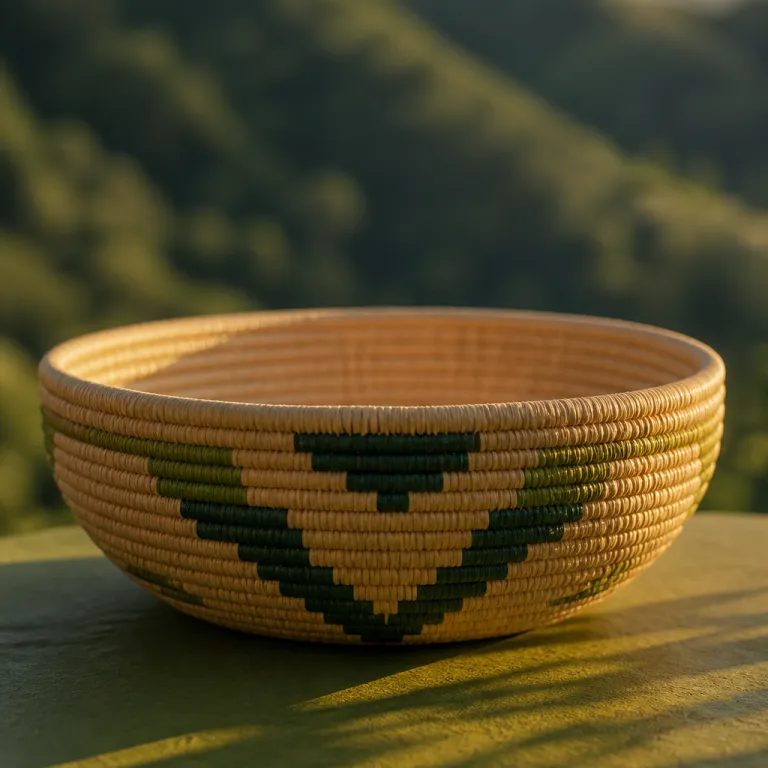
Architecture is the thread that connects these experiences, and it is where Rwanda now stands out in African hospitality. You will notice recurring design cues such as volcanic stone, eucalyptus timber, and woven agaseke basket patterns translated into screens and ceilings. These details are not decorative afterthoughts; they are the physical language of a country using design to tell its story to a global audience, and they give the luxury hotel pipeline a recognizable, contemporary Rwandan identity.
From Kigali’s skyline to hillside retreats
Kigali is the natural starting point for most travelers, and it sets the tone for the rest of the journey. The city’s luxury hotels rise from the hills with clean lines, generous glazing, and terraces that frame the undulating skyline. This first stage of the high end itinerary is about urban energy, rooftop views, and easy access to galleries, coffee roasteries, and design studios that showcase the country’s creative economy.
At the top end, properties such as Kigali Marriott Hotel and Radisson Blu Hotel & Convention Centre use grand atriums, sculptural staircases, and expansive lobbies to create a sense of arrival. Their architecture leans toward international modernism, yet you will still find Rwandan textures in stonework, textiles, and art installations. For a more intimate scale, The Retreat by Heaven uses just twelve rooms arranged around a pool and gardens, with solar power, locally crafted furniture, and hand laid stone walls; typical suites here start at around 30–35 square meters, giving a boutique feel compared with the larger branded hotels.
Gastronomy is increasingly part of the architectural story in Kigali. A striking example is the Ishami Rooftop at The Pinnacle, where an Afro Asian fusion restaurant crowns one of the city’s most ambitious addresses and turns the skyline into a design feature; it is profiled in depth on this Ishami Rooftop at The Pinnacle Kigali Afro Asian fusion guide. As you move through this urban segment of Rwanda’s luxury hotel pipeline, you begin to see how architecture, food, and city views merge into a single, layered experience that feels distinctly metropolitan yet unmistakably Rwandan.
Architectural marvels shaped by landscape
Leaving Kigali, the country’s top luxury hotels start to lean into the drama of Rwanda’s landscapes. Around Lake Kivu, properties step down steep hillsides with tiered decks, infinity pools, and glass fronted suites that pull the water into every frame. This is where the journey shifts from vertical city skylines to horizontal lake horizons, with sunsets and fishing boats becoming part of the nightly theatre.
In the southwest, One&Only Nyungwe House offers one of the clearest examples of how architecture can reinterpret heritage without freezing it in time. The property sits on a working tea plantation, and its pitched roofs, deep verandas, and colonnaded walkways nod to colonial era forms while using Rwandan materials and craftsmanship; its design story is unpacked in detail in this feature on colonial architecture reimagined through a Rwandan lens. Suites open directly onto the tea fields, so the building feels like an extension of the landscape rather than an imposition on it, and typical guest rooms here range from roughly 40 to 60 square meters, with fireplaces and large picture windows.
Near Volcanoes National Park, Singita Kwitonda Lodge and One&Only Gorilla’s Nest take a different approach, using low slung structures, green roofs, and extensive planting to blur the line between lodge and forest. Volcanic rock, clay bricks, and timber screens echo the surrounding environment, while floor to ceiling windows keep the focus on the Virunga peaks. This segment of the luxury route is ideal for travelers who want architecture that heightens their connection to nature without sacrificing comfort, with many suites offering private plunge pools, outdoor fireplaces, and butler style service.
Rwandan design identity in luxury spaces
What sets Rwanda apart from many luxury destinations is the confidence of its design language. Rather than importing a generic international look, architects and interior designers are drawing from Rwandan craft, geometry, and symbolism. This gives the country’s premium hotel network a coherence that you can feel from one property to the next, even when the settings shift from city to forest.
Traditional agaseke baskets inspire circular motifs in ceilings, lighting, and floor patterns, while imigongo art from eastern Rwanda appears as bold, monochrome wall panels. You will often see local hardwoods paired with woven cane, sisal, and banana fiber, creating tactile contrasts that feel both refined and grounded. Public spaces tend to be generous and open, encouraging social interaction in the same way that village meeting grounds do, and many lounges now double as galleries for contemporary Rwandan painters, ceramicists, and textile designers.
For a deeper dive into how African design is reshaping hospitality, and why Rwanda is often cited as a leading example, the analysis in this article on the quiet rise of African design in hospitality is particularly insightful. As one Kigali based interior designer notes in that piece, “Guests are not just looking at Rwanda; they are living inside a Rwandan story.” When you move through this constellation of hotels, you are not just sleeping in well appointed rooms; you are inhabiting a living gallery of contemporary Rwandan aesthetics. That sense of place is what many seasoned travelers now prioritize over sheer opulence, even at nightly rates that can easily reach several hundred US dollars per room.
How to choose the right luxury stay in Rwanda
Selecting the right property in Rwanda starts with clarifying your priorities. Some travelers want Kigali’s cultural access and dining scene, while others focus on gorilla trekking, tea plantations, or lakeside relaxation. Mapping your preferences against the main Kigali–Kivu–Nyungwe–Volcanoes axis helps you build an itinerary where each hotel serves a clear purpose and the overall route feels logical.
If you value architecture and design above all, look for properties that publish information about their architects, design teams, and sustainability strategies. Hotels such as Singita Kwitonda Lodge, The Retreat, and One&Only Nyungwe House are transparent about their use of local materials, energy efficient systems, and community partnerships. This level of detail signals a serious commitment to both aesthetics and ethics, which is increasingly important for discerning guests who want their spending to support conservation and local employment.
Practical considerations still matter. Check room sizes in square meters, balcony or terrace access, and whether views face gardens, cityscapes, or open landscapes. Pay attention to how public spaces are arranged; a well designed lobby, bar, or terrace can significantly enhance your stay, especially if you plan to spend downtime on site. When you align these factors with the stages of Rwanda’s luxury hotel circuit, your trip feels cohesive rather than fragmented, and you avoid the sense of constantly starting over in unfamiliar surroundings.
Booking strategies for premium Rwanda hotels
Availability at Rwanda’s top properties can be tight, especially around peak gorilla trekking seasons and major conferences in Kigali. Planning along the same overarching route means thinking about your bookings as a connected sequence, not isolated nights. This approach reduces the risk of gaps or awkward one night stopovers that break the rhythm of your journey and add unnecessary transfer time.
Work with reputable travel advisors or specialized Rwanda based agencies that understand both the geography and the character of each hotel. They can help you secure combinations such as two nights in Kigali, three near Volcanoes National Park, and two at Lake Kivu or Nyungwe, all within a single, well structured itinerary. Many luxury properties also offer added value through longer stay offers, private transfers, or curated experiences when reservations are coordinated, and specialist agents are often aware of unpublished benefits.
When comparing rates, look beyond the headline price. Consider what is included, such as meals, guided activities, park transfers, or spa access, and calculate the effective cost per day; in Rwanda’s premium segment, this can range from mid hundreds to well over a thousand US dollars per person per night depending on inclusions. Flexible cancellation policies and clear communication about conservation levies or park fees are also important, especially for high value trips. Treat your bookings as an investment in a carefully designed narrative, and the country’s luxury hotel pipeline becomes a framework for both budgeting and anticipation.
Key figures shaping Rwanda’s luxury hotel landscape
- According to the Rwanda Development Board’s tourism statistics for 2019, international visitor arrivals reached approximately 1.63 million in the last full year before the COVID 19 pandemic, with high end leisure and conference travelers representing a growing share of tourism revenue.
- Volcanoes National Park limits daily gorilla trekking permits to around 96 visitors (12 groups of eight) under Rwanda Development Board guidelines, which keeps demand for nearby luxury lodges high and encourages advance booking for peak months.
- Rwanda’s Meetings, Incentives, Conferences, and Exhibitions (MICE) sector has expanded rapidly, with the Kigali Convention Centre hosting dozens of major regional and international events annually since its opening in 2016, driving occupancy at premium city hotels.
- Several leading properties, including Singita Kwitonda Lodge and One&Only Nyungwe House, operate with strong conservation and community investment models, channeling a portion of guest spend into habitat protection and local employment through structured funds and partnerships.
- Average transfer times between key nodes in the luxury pipeline are manageable, with Kigali to Volcanoes National Park typically taking around 2.5 hours by road, and Kigali to Nyungwe Forest National Park around 5 to 6 hours, enabling multi stop itineraries without domestic flights for most visitors.
FAQ about luxury and premium hotel stays in Rwanda
When should I book luxury hotels in Rwanda for gorilla trekking ?
For gorilla trekking, secure your lodge and permits at least six to nine months in advance, especially for popular months with drier weather. Lodges near Volcanoes National Park are limited in number and size, so last minute availability can be challenging. Aligning your bookings along Rwanda’s main luxury route early gives you more choice in room categories and views and reduces the risk of compromising on location.
Is Kigali worth more than one night in a luxury itinerary ?
Kigali merits at least two nights if you value design, dining, and cultural context. Staying longer allows time for the Genocide Memorial, contemporary art galleries, coffee tastings, and rooftop restaurants without rushing. Many travelers now treat Kigali as a fully fledged city break at the start or end of their high end Rwanda itinerary, using it to decompress after long haul flights.
How do Rwanda’s luxury hotels support conservation and communities ?
Several leading properties integrate conservation fees, community partnerships, and local sourcing into their operating models. This can include funding for park management, education programs, and small business development in surrounding villages. When you choose hotels that publish clear impact reports, your stay along this luxury circuit directly supports long term environmental and social goals and helps sustain the very landscapes you have come to experience.
Are transfers between Rwanda’s luxury hotels comfortable and safe ?
Road transfers between Kigali, Volcanoes National Park, Lake Kivu, and Nyungwe are generally safe and conducted in modern 4x4 vehicles or comfortable minibuses. Many premium hotels and specialist operators provide private drivers, chilled water, and rest stops along the way. These journeys become part of the overall experience, revealing the country’s hills, farms, and villages between architectural highlights and giving you a sense of Rwanda beyond the lodge gates.
What should I look for in room design at Rwanda’s premium hotels ?
Focus on generous room sizes, natural light, and thoughtful use of local materials such as timber, stone, and woven textiles. Balconies or terraces with clear views, well insulated windows, and ceiling fans or air conditioning all contribute to comfort. Rooms that integrate Rwandan art and craft give you a stronger sense of place within the broader network of luxury stays, turning your suite into a small, curated gallery rather than a generic hotel box.