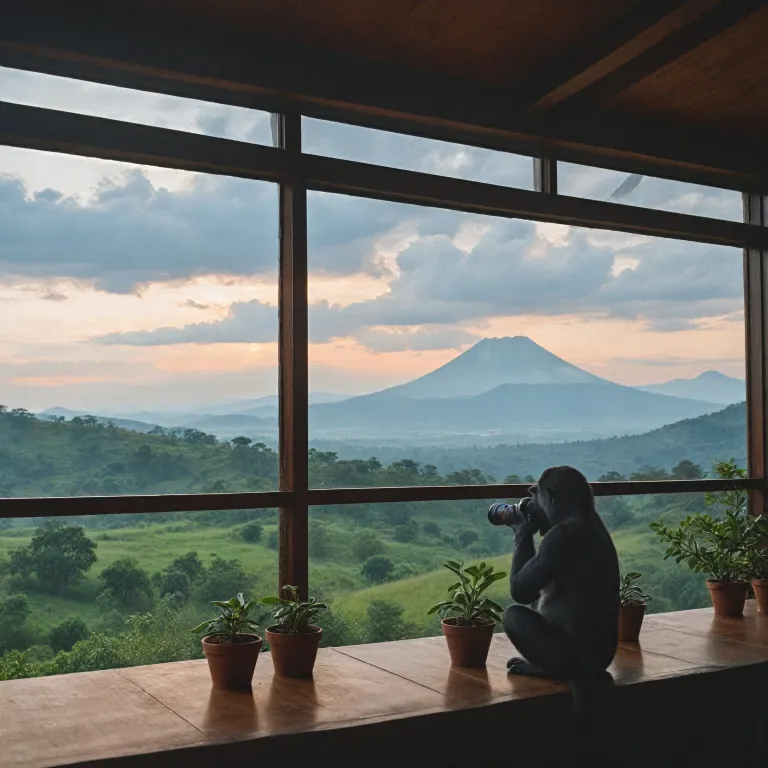
How the best time to visit Rwanda shapes luxury travel
Choosing the best time to visit Rwanda is the first real luxury decision. When you align your travel dates with the right season, every detail of your stay feels more refined and effortless. For guests booking premium suites and villas, the time of year directly influences privacy, comfort, and the overall sense of exclusivity.
Rwanda sits close to the equator, yet its high altitude creates a pleasantly mild climate year round. This means that any time of year can work for a luxury escape, but the experience changes subtly with the seasons and with each region. Understanding how the long rainy season, the short rainy season, and each dry season affect gorilla trekking, safari drives, and lakefront relaxation is essential for high end planning.
The main dry season from June to September is widely regarded as the best time for classic safari and gorilla trekking. During this dry season, trails in Volcanoes National Park are firmer, wildlife viewing in Akagera National Park is easier, and road transfers between national parks are smoother. For many guests, this June September window is also the high season for booking premium lodges, so early reservations are crucial.
Luxury travelers who prefer quieter national parks often choose the short dry period from December to February. This short dry stretch still offers excellent wildlife sightings and comfortable trekking conditions, yet visiting Rwanda then can feel more intimate and less crowded. When you plan your time visit with these subtle shifts in mind, you elevate both comfort and value across your entire itinerary.
Dry seasons, rainy seasons, and how they affect premium stays
To understand the best time to visit Rwanda, you need a clear view of its four main seasons. The long rainy season runs from March to May, followed by the long dry season from June to September, then the short rainy season in October November, and finally the short dry window from December to February. Each season in Rwanda influences not only wildlife behavior but also the feel of luxury lodges, spa experiences, and fine dining.
For many travelers, the long dry season is the best time for combining gorilla trekking with a classic safari. During this dry season, grasses in Akagera National Park are lower, making wildlife easier to spot from premium 4x4 vehicles and from elevated decks at high end camps. In Volcanoes National Park, the same dry season brings more predictable trekking conditions, which is especially valuable when you have secured a high cost gorilla trekking permit.
The short dry season is ideal for guests who want flexibility and slightly softer rates at some luxury properties. While it is still considered a good time year for wildlife and mountain gorillas, demand can be more balanced across national parks and lakefront retreats. If you are planning an event or incentive trip, this short dry period often offers an appealing mix of availability and quality, and resources like this guide to elevating event planning with luxury hotel booking platforms can help refine the details.
Rainy seasons are not necessarily a poor time to visit Rwanda, especially for guests who value lush landscapes and quieter lodges. The long rainy season and the short rainy season bring heavier showers and muddier trails, but they also create dramatic scenery around Lake Kivu and in the misty volcanoes national region. When visiting Rwanda in these months, premium properties often focus on indoor comforts such as spa rituals, fireplaces, and private dining, turning the weather into part of the charm.
Gorilla trekking seasons and timing your luxury permits
For many guests, the best time to visit Rwanda is defined by gorilla trekking in Volcanoes National Park. Because permits are limited and highly sought after, the time of year you choose has a direct impact on availability, comfort, and the overall exclusivity of your experience. In peak months, luxury travelers often plan their time visit around a single morning with mountain gorillas, then build the rest of the itinerary around that anchor.
The main dry season from June to September is generally considered the best time for gorilla trekking. Trails are less slippery, visibility in the forest is better, and the overall trekking time can be more predictable for guests who prefer a moderate physical challenge. This is also the high season for premium lodges near Volcanoes National Park, so booking both your gorilla trekking permit and your preferred suite well in advance is essential.
The short dry season from December to February offers another excellent window for gorilla trekking and for combining multiple national parks. During these months, visiting Rwanda allows you to enjoy both mountain gorillas and the savannah wildlife of Akagera National Park in relatively stable weather. Many luxury travelers appreciate that this short dry period can feel slightly less busy than June September, while still offering some of the best time conditions for photography and comfort.
It is entirely possible to visit Rwanda for gorilla trekking during the rainy seasons, but expectations should be adjusted. Trails can be muddy, trekking time may be longer, and the experience feels more adventurous, which some guests actually prefer. As the Rwanda Development Board notes, "Book gorilla trekking permits well in advance, especially during peak seasons," and this advice applies across all seasons in Rwanda when planning high end journeys.
Safari, national parks, and wildlife viewing by time of year
Beyond gorilla trekking, the best time to visit Rwanda also depends on your priorities for safari and broader wildlife encounters. Akagera National Park, with its lakes, savannah, and rolling hills, offers a very different rhythm from the misty slopes of Volcanoes National Park. Understanding how each season shapes wildlife behavior helps you choose the ideal time visit for your style of luxury travel.
During the long dry season from June to September, wildlife tends to concentrate around remaining water sources in Akagera National Park. This makes it one of the best time windows for game drives, boat safaris, and photography from elevated decks at premium lodges. The same dry season is also favorable for combining Akagera with Volcanoes National Park, creating a seamless national parks circuit that balances gorillas, big game, and refined hospitality.
The short dry season from December to February is another strong period for wildlife viewing, especially for guests who value flexibility. Visiting Rwanda in these months allows you to enjoy both national parks with relatively stable weather, while also considering side trips to Lake Kivu for relaxation. Many luxury travelers appreciate that this time year can offer slightly more availability at high end properties, even though it still counts as a high season for some operators.
Rainy seasons bring a different kind of beauty to Rwanda, with greener landscapes and dramatic skies over the national parks. The long rainy season and the short rainy season can still offer rewarding wildlife sightings, particularly for bird enthusiasts and photographers who enjoy moody light. When you plan your travel during these months, focus on lodges with strong all weather infrastructure and attentive service, so that any sudden change in season Rwanda conditions becomes part of a curated experience.
Lake Kivu, Kigali, and urban luxury across the seasons
While many travelers focus on gorillas and safari, the best time to visit Rwanda also depends on how you want to experience Kigali and Lake Kivu. The capital city offers a growing collection of luxury and premium hotels, where climate controlled comfort makes visiting Rwanda pleasant in any season. Around Lake Kivu, the interplay of water, light, and mist creates a different atmosphere in each part of the year.
During the long dry season from June to September, Lake Kivu is especially appealing for post trekking relaxation. Cooler evenings and clear days make this one of the best time periods for lakeside walks, boat trips, and al fresco dining at upscale resorts. Many guests choose to end their time visit here, unwinding after gorilla trekking and national park safaris in a setting that feels serene yet sophisticated.
The short dry season from December to February is also an excellent time year for combining Kigali’s cultural scene with Lake Kivu’s calm shores. Visiting Rwanda in these months allows you to enjoy rooftop bars, art galleries, and fine dining in the capital before or after your national parks circuit. Premium hotels in Kigali are well equipped for year round comfort, so even during the rainy seasons you can expect high standards of service and design.
Rainy seasons bring softer light and a more introspective mood to both Kigali and Lake Kivu. The long rainy season and the short rainy season can be ideal for spa retreats, culinary focused stays, and slow travel that emphasizes connection rather than constant movement. For inspiration on how luxury properties in other destinations manage seasonality, you can look at this guide to elegant stays at luxury hotels, then adapt similar principles when you visit Rwanda.
Using premium booking platforms to match seasons with stays
For luxury and premium travelers, the best time to visit Rwanda is not only about weather and wildlife. It is also about how effectively you use online booking platforms to align seasons, room categories, and exclusive experiences. Modern tools now allow you to compare national parks, check availability for gorilla trekking permits, and coordinate transfers in a way that reflects your personal travel style.
When planning a time visit during the long dry season, start by securing your gorilla trekking permits and your preferred suites near Volcanoes National Park. Because this is the high season, premium lodges and villas can sell out quickly, especially for June September dates. Once these key elements are confirmed, you can add nights in Akagera National Park, Lake Kivu, and Kigali, ensuring that each stop matches the rhythm of the season Rwanda is experiencing.
If you prefer the short dry season, use booking platforms to identify properties that offer strong value while still delivering high end service. Visiting Rwanda in December to February can be one of the best time options for balancing cost, comfort, and availability across multiple national parks. Pay attention to flexible cancellation policies, as they allow you to adjust your travel if the rainy season patterns shift slightly at the edges of the calendar.
During the long rainy season and the short rainy season, focus on properties with excellent infrastructure and thoughtful indoor amenities. Look for detailed descriptions of how lodges handle muddy trails, rainy day activities, and transfers between national parks in challenging weather. By combining this information with guidance from the Rwanda Development Board and trusted local partners, you can confidently visit Rwanda year round while maintaining a consistently premium standard of comfort.
Practical tips for timing, packing, and responsible luxury travel
Once you have chosen the best time to visit Rwanda, a few practical steps will help you make the most of your journey. First, align your packing list with the season Rwanda will be in during your stay, paying close attention to layers, waterproof gear, and footwear. Even in the dry season, early mornings in Volcanoes National Park and at higher altitudes can feel cool, especially before gorilla trekking.
During the long dry season and the short dry season, prioritize breathable fabrics for daytime and warmer layers for evenings. Visiting Rwanda in these months usually means less mud on the trails, but sturdy, closed shoes remain essential for both gorilla trekking and walking safaris in Akagera National Park. In the long rainy season and the short rainy season, add gaiters, quick drying clothing, and a reliable rain jacket to keep your time visit comfortable.
Responsible luxury travel also means understanding how your timing supports conservation and local communities. When you visit Rwanda and its national parks, your permits and park fees contribute directly to protecting mountain gorillas, broader wildlife, and surrounding habitats. As the official guidance notes, "Be prepared for muddy trails during the rainy seasons," and this simple preparation helps ensure that your presence has minimal impact on fragile ecosystems.
Finally, remember that Rwanda is a year round destination, with each season offering a distinct mood and set of advantages. Whether you choose June September for classic dry season safaris, October November for dramatic skies, or the quieter shoulder months for more intimate lodge stays, there is always a way to craft a refined itinerary. By combining thoughtful timing, careful packing, and respect for the environment, you transform your travel into an experience that feels both luxurious and deeply meaningful.
Key statistics about the best time to visit Rwanda
- Average annual rainfall in Rwanda is approximately 1 000 mm, which shapes the long rainy season and short rainy season patterns.
- The main dry season typically runs from June to September, forming the core high season for gorilla trekking and safari.
- Gorilla trekking permits currently cost around 1 500 USD per person, encouraging travelers to plan their time visit and budget carefully.
Essential questions about timing your visit to Rwanda
Is it possible to visit Rwanda during the rainy season?
Yes, but be prepared for muddy trails and occasional heavy rains.
How far in advance should I book a gorilla trekking permit?
It's recommended to book at least 6 months in advance, especially for peak seasons.
Are there other activities to do in Rwanda besides gorilla trekking?
Yes, Rwanda offers wildlife safaris, cultural tours, and bird watching opportunities.