Why Rwanda’s savannah belongs beside its gorilla forests
Rwanda has become shorthand for gorilla trekking in Volcanoes National Park, yet its eastern savannah quietly completes the story. When you pair the misty slopes of Volcanoes National Park with the open plains of Akagera National Park, you move from dense forest intimacy to wide angle drama and give your trip a richer emotional arc. For couples planning luxury hotels Rwanda itineraries, that contrast between forest and savannah turns a single wildlife encounter into a layered journey.
Akagera National Park stretches along the border with Tanzania, a tapestry of rolling grassland, wetland and lake shore that feels worlds away from the bamboo corridors of the volcanoes. After the intensity of a gorilla trekking morning, where every breath in the forest counts, drifting across a quiet lake at sunset or scanning a distant ridge for lion offers a slower rhythm and welcome space to reflect. The best itineraries use a forest lodge near the volcanoes as an ideal base for primates, then shift to a lakeside camp in park Rwanda for big game and sky.
Thinking in terms of ecosystems rather than single sightings also changes how you choose each hotel and lodge. A stay at a forest property such as Gorilla Nest, Kwitonda Lodge, Virunga Lodge or Wilderness Bisate near accommodation Volcanoes gives you altitude, cool air and views of the volcanoes national massif, while a few nights in Akagera national park bring heat, dust and the shimmer of water. This balance between forest and savannah, between gorilla and giraffe, is where luxury hotels Rwanda move from simple comfort to genuine narrative travel.
Inside Wilderness Magashi: Akagera’s only private concession
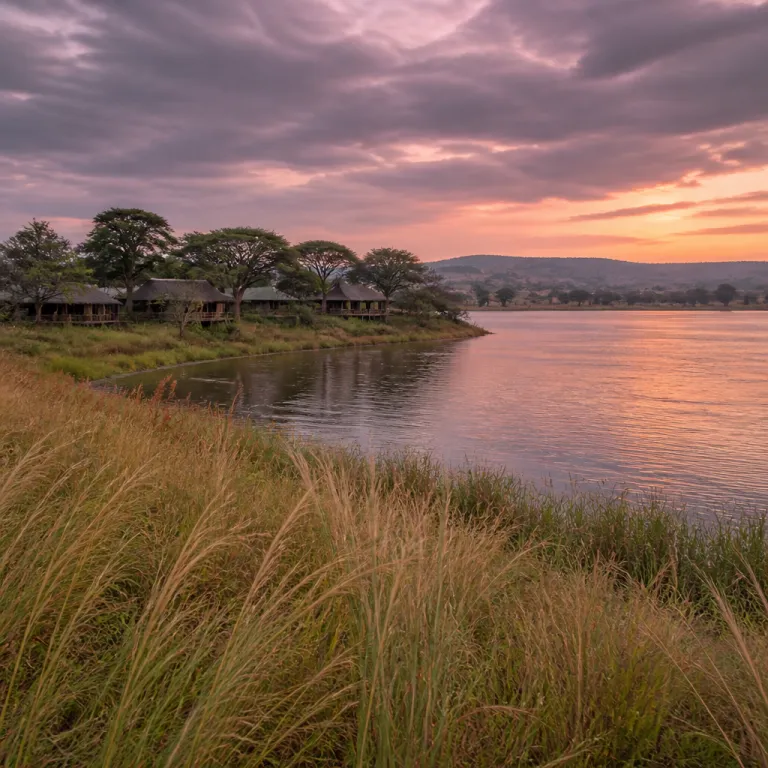
Wilderness Magashi sits on the Magashi Peninsula, a 4 200 hectare private concession that is the only one of its kind inside Akagera National Park. The camp’s eight canvas tented suites are raised on boardwalks above the bush, each with a private deck and a wide view over Lake Rwanyakazinga that feels cinematic at first light. For couples used to classic safari aesthetics, the design blends a soft wilderness palette with contemporary Rwandan craft, creating accommodation that feels both rooted and quietly luxurious.
Being in the only private concession in Akagera national park changes almost every part of the stay. Guides can leave earlier, linger longer and use off road access in designated areas, which means your first lion sighting might be shared with one other vehicle rather than a convoy. On the water, boat safaris on Lake Rwanyakazinga slide past pods of hippo and crocodile while fish eagles call overhead, and the absence of traffic or lodge noise lets you hear the park breathe.
The wildlife density in this corner of park Rwanda is the result of a long conservation comeback. Today the Big Five are present, including lion, leopard, Eastern black rhino and buffalo, alongside Masai giraffe and more than 520 bird species that keep binoculars busy between game drives. Wilderness Magashi is also fully solar powered and free of single use plastic, so the luxury you feel in your tented suite or at the view hotel style bar comes with a lighter footprint on the lake and the surrounding wilderness.
Rwandan cuisine has quietly become part of the country’s luxury narrative, and camps like this now pay attention to what appears on the plate as much as what walks past the deck. If you want to understand how hotels in Rwanda are honoring local ingredients such as coffee, bananas and brochettes, look at how chefs reinterpret them in refined settings across both Kigali and the parks. For a deeper dive into these flavors before or after your safari, explore this guide to Rwandan ingredients and the hotels that celebrate them.
What a private peninsula really offers couples
On paper, a private concession sounds like a line item on a website, but on the Magashi Peninsula it translates into quiet, space and choice. Game drives can follow fresh tracks without worrying about crowding, sundowners can be set up on a remote hill with no other vehicle in sight and boat departures can be timed to the light rather than a shared schedule. For couples used to busy safari circuits, that sense of having a slice of Akagera National Park almost to yourselves is the real luxury.
The camp’s position on Lake Rwanyakazinga means water is not an optional extra but a central part of the experience. Morning boat safaris glide past reed beds alive with kingfishers and herons, while late afternoon departures often end with the sky turning copper behind distant hills as hippos surface around you. This interplay between water based and land based activities keeps each day varied, which matters when you are combining several nights here with time in Nyungwe National Park or Volcanoes National Park.
Back at camp, the atmosphere is deliberately intimate rather than grand. Meals are often shared at a communal table, yet staff are quick to arrange private dinners on your deck if you prefer a quieter evening, and the service feels more like a well trained équipe hosting friends than a formal hotel. Kigali’s dining scene has raised expectations for what fine dining means in Rwanda, and you can feel that influence in the way camps now think about pacing, presentation and wine pairings ; for context on this shift, read about the all Rwandan kitchens redefining fine dining in Kigali.
Designing a forest to savannah itinerary with luxury hotels Rwanda
For most couples, the question is not whether to see gorillas but how to build everything around that moment. A common pattern is to fly into Kigali, spend a night or two at a city hotel to reset, then drive to the volcanoes region for three nights before looping east to Akagera National Park and Wilderness Magashi. This arc keeps transfers manageable while giving you time to settle into each landscape and enjoy the full range of luxury hotels Rwanda without rushing.
Near Volcanoes National Park, properties such as Gorilla Nest, Kwitonda Lodge, Virunga Lodge and Wilderness Bisate offer accommodation Volcanoes options that frame the volcanoes national skyline from every terrace. Each lodge has its own character ; some lean into classic timber and stone, others into contemporary lines, but all understand that gorilla trekking days start early and end with tired legs and full hearts. Choosing a property with an ideal base location close to park gates can mean an extra hour of sleep before your briefing, which matters when you are on a once in a lifetime permit.
After the forest, shifting to Akagera national park and the Magashi Peninsula brings a welcome change of pace. Here the focus moves from steep climbs to open vehicle game drives, from mist to heat, from gorilla to lion and leopard, and from bamboo to acacia. If you want to add a third ecosystem, Nyungwe National Park and Nyungwe House bring high altitude rainforest and canopy walks into the mix, while the broader Rwanda Wilderness portfolio, including Wilderness Magashi and Wilderness Bisate, helps you stitch these experiences together with consistent guiding and service standards.
Many travelers now use Kigali not just as a transit point but as a place to sample the country’s evolving lifestyle hotels before or after the parks. If you are curious about how a design forward view hotel in the capital can complement a wilderness heavy itinerary, look at this review of a Kigali lifestyle property that prioritizes atmosphere over address. Balancing nights between city, forest and savannah lets you experience Rwanda as more than a single park and gives your luxury hotels Rwanda journey a satisfying narrative arc.
Akagera’s conservation comeback and the role of high end stays
Akagera National Park’s current calm is hard won, the result of a long term partnership between the Rwandan government and conservation organisations that reintroduced lion and black rhino and rebuilt wildlife numbers. For guests at Wilderness Magashi, that history is not a lecture but a living backdrop to every game drive, from the first time you see a Masai giraffe against the lake to the quiet satisfaction of spotting an Eastern black rhino in thick bush. Staying in a camp that supports research, anti poaching and community projects means your luxury is directly tied to the park’s resilience.
The phrase Rwanda Wilderness is more than a marketing line ; it reflects a national approach that treats conservation, community and tourism as interlocking parts of the same system. Camps like Wilderness Magashi and Wilderness Bisate near Volcanoes National Park operate on private or exclusive use land, but they are deeply connected to surrounding villages through employment, training and revenue sharing. When you choose these properties over a generic hotel, you are effectively voting for a model where high value, low volume tourism funds long term protection of national parks.
For couples, this context often deepens the emotional impact of a stay. A sunrise game drive on the Magashi Peninsula, followed by coffee back at camp while you look out over Lake Rwanyakazinga, feels different when you know how close Akagera once came to being written off. The same is true in the volcanoes region, where lodges such as Kwitonda Lodge, Virunga Lodge, Gorilla Nest and Nyungwe House in Nyungwe National Park have woven reforestation and community partnerships into their daily operations, turning each night of accommodation into a small but tangible contribution.
How to choose between Rwanda’s leading forest and savannah stays
With so many names in the mix, from Wilderness Magashi and Wilderness Bisate to Kwitonda Lodge, Virunga Lodge, Gorilla Nest and Nyungwe House, it helps to think in terms of mood rather than star ratings. If you want a dramatic volcanoes national panorama and a sense of remoteness, Virunga Lodge and Wilderness Bisate excel, while Kwitonda Lodge and Gorilla Nest offer a softer, more cocooned feel closer to the park entrance. Nyungwe House, set on a tea estate at the edge of Nyungwe National Park, adds a different texture again, pairing rainforest hikes with fireside evenings that feel almost alpine.
On the savannah side, Wilderness Magashi is the clear choice if you value exclusivity, water based activities and a strong conservation narrative. Its position on the Magashi Peninsula within Akagera national park, combined with the only private concession in the area, means fewer vehicles, more flexible drives and a constant lake view from camp. If you prefer a more classic lodge layout with larger communal spaces, other properties inside park Rwanda may appeal, but they will not match the same level of privacy or access.
Across all these stays, the thread that ties them together is a commitment to thoughtful, low impact luxury. The best luxury hotels Rwanda properties understand that guests are not just chasing sightings but seeking meaning, whether that is a quiet moment with a silverback in Volcanoes National Park or a long gaze across Lake Rwanyakazinga after a day of tracking lion. When you use a specialist website that focuses on Rwanda and its national parks to plan your route, you can compare each lodge, hotel and camp not only on comfort and design but on how well they align with your values and the kind of journey you want to remember.
FAQ
Is Akagera National Park worth adding to a gorilla focused Rwanda trip ?
Yes, Akagera National Park adds a complementary savannah and lake ecosystem to the forest experience of Volcanoes National Park. You trade steep gorilla trekking trails for open vehicle game drives and boat safaris on Lake Rwanyakazinga, which creates a more balanced itinerary. For many couples, this mix of gorilla and Big Five sightings defines their luxury hotels Rwanda journey.
How many nights should I spend at Wilderness Magashi ?
Most travelers find that three nights at Wilderness Magashi on the Magashi Peninsula offer a good balance between game drives, boat safaris and downtime in camp. This allows at least four to five activities, increasing your chances of seeing lion, leopard, Eastern black rhino and a wide range of birdlife. If you are combining Akagera national park with Volcanoes National Park and Nyungwe National Park, a nine to ten night total works well.
Should I visit Akagera before or after Volcanoes National Park ?
Both sequences work, but many couples prefer to start with Akagera National Park and end with gorilla trekking in the volcanoes region. Beginning with savannah game drives at Wilderness Magashi eases you into the rhythm of early mornings and wildlife viewing. Finishing with gorillas near lodges such as Wilderness Bisate, Kwitonda Lodge or Virunga Lodge gives the trip a powerful final chapter.
Do I need a separate permit for Akagera National Park ?
You do not need a special permit like the one required for gorilla trekking in Volcanoes National Park. Entry to Akagera National Park is managed through park fees, which can be arranged by your lodge, hotel or tour operator. Camps such as Wilderness Magashi typically include conservation levies and park fees in their nightly rates, so check your booking details carefully.
Can I combine Kigali, Nyungwe and Akagera in one itinerary ?
Yes, it is entirely feasible to combine Kigali, Nyungwe National Park and Akagera National Park in a single trip, especially if you have at least ten nights. A common route is Kigali to Nyungwe House for rainforest and canopy walks, then to the volcanoes region for gorilla trekking, and finally to Wilderness Magashi in Akagera for savannah and lake based wildlife. Using a specialist website focused on luxury hotels Rwanda can help you sequence transfers, flights and lodge stays efficiently.
References
For further factual background on Rwanda’s parks and conservation model, consult the official Rwanda Development Board, African Parks for Akagera National Park and the Wilderness Destinations information on Wilderness Magashi.