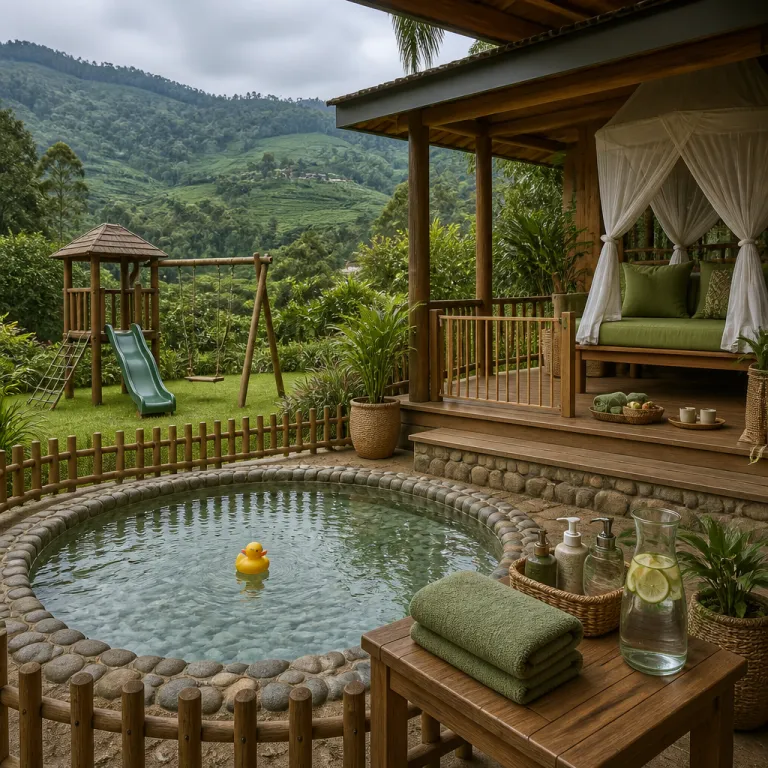
Where to stay in Rwanda when you have young children
Parents asking where to stay in Rwanda with children are really asking about health, comfort, and calm. The altitude in Kigali, the higher air around Volcanoes National Park, and the lakeside humidity at Lake Kivu all shape how a family experiences this part of East Africa. Thinking clearly about each region before you book a hotel or safari lodge will make your trip feel like measured wellness rather than an endurance test.
Kigali sits at roughly 1,567 metres (about 5,140 feet), which feels pleasantly cool yet gentle enough for most children to adjust within a day or two. This makes the capital the smartest first stop for a family trip to Rwanda, especially if you are arriving from sea level and planning later nights near Volcanoes National Park or the higher slopes where mountain gorillas live. Choose accommodation in Kigali with a pool, gardens, and quiet rooms so the first jet-lagged nights set a relaxed tone before you move toward any national park.
Parents often search phrases like where to stay or stay Rwanda online and land on a glossy website that highlights only adults sipping cocktails. For a premium family, the better filter is whether the property offers flexible meal times, interconnecting rooms, and staff used to children who tire quickly after game drives or city walks. When you evaluate the best hotels, look for clear information about kids’ menus, access to medical care, and whether the spa or wellness area welcomes families or keeps a strict adults-only policy.
In Kigali, the Serena Hotel and similar classic city properties balance polished service with practical family touches like cribs, extra beds, and calm pools. These hotels are not about themed kids’ clubs; they are about reliable accommodation, strong Wi‑Fi for older children, and staff who can arrange a doctor visit if needed. For parents who want a soft landing before heading to a lodge near a national park, this kind of classic city base is ideal.
Health planning begins before you even choose a hotel or lodge in Rwanda. The U.S. Centers for Disease Control and Prevention (CDC) and the World Health Organization (WHO) consistently advise families to consult healthcare providers several weeks before departure, especially when young children are involved and a national park or rural region is on the itinerary. As one CDC travel health briefing puts it very clearly, "Consult healthcare providers before travel," and that single sentence should sit beside your passport when you start mapping where to stay in Rwanda for a wellness-focused family journey.
Altitude, malaria, and medical access from Kigali to the national parks
Altitude is the quiet factor that shapes how children feel from Kigali to the forested edges of Volcanoes National Park. The capital’s 1,567‑metre elevation is usually manageable, but lodges near the volcanoes can sit between roughly 2,000 and 2,700 metres (6,560–8,860 feet), which means thinner air and cooler nights. For children under ten, that can translate into mild headaches, shorter bursts of energy, and a deeper need for rest between activities.
Families planning gorilla trekking near Volcanoes National Park should know that, under Rwanda Development Board regulations, children must be at least fifteen years old to join a trek to see mountain gorillas. Golden monkey treks usually accept children from around twelve, which still leaves younger siblings needing thoughtful care while parents head into the park. Many luxury lodges around Volcanoes National Park, including properties close to Wilderness Bisate (approximately 2,650 metres / 8,694 feet) and Gorilla’s Nest (around 2,300 metres / 7,546 feet), can arrange supervised activities, gentle walks, or cultural visits so younger children are engaged rather than simply waiting at the hotel.
Malaria risk in Rwanda varies by region, and the high-altitude areas around Volcanoes National Park and much of Kigali are considered lower risk compared with warmer lowlands. That said, families should still use insect repellent, long sleeves at dusk, and bed nets when provided, especially if they plan to visit Akagera National Park for game drives in a hotter climate. The CDC and WHO often recommend routine vaccines, Hepatitis A, and malaria prophylaxis for children where appropriate, and one concise guideline states, "Ensure vaccinations are up-to-date," which is particularly relevant when your accommodation is several hours from a major hospital.
Nyungwe National Park, home to the famous canopy walkway and Nyungwe House, sits at altitude too, though usually a little lower than the highest volcanoes. The air feels damp, cool, and deeply green, which can be soothing for parents and children who sleep better in cooler temperatures. For a wellness-focused family, a few nights near Nyungwe’s montane forests can be a restorative counterpoint to the more intense excitement of gorilla trekking or long game drives in Akagera National Park.
When you weigh where to stay in Rwanda for wellness, consider how far each lodge or hotel is from reliable medical care. Kigali has the best hospitals and clinics, including King Faisal Hospital and University Teaching Hospital of Kigali, while areas near Lake Kivu, Nyungwe, and the volcanoes rely more on local health centres and evacuation plans. For a deeper look at how safety, healthcare access, and national park logistics intersect with luxury travel, parents can read a detailed safety and wellness guide on Rwanda’s high-end safaris on a specialist site such as myrwandastay.com, which helps translate risk into practical decisions rather than anxiety.
Volcanoes National Park lodges with real family wellness credentials
Volcanoes National Park is the emotional heart of many trips to Rwanda, yet its lodges are often marketed as adult sanctuaries rather than family retreats. Parents who are not trekking because their children are under fifteen still want to feel the presence of gorillas and the volcanoes without sacrificing sleep or calm. The key is choosing accommodation near Volcanoes National Park that balances proximity to park headquarters with space, warmth, and flexible service.
Virunga Lodge is a strong example, with family suites that give parents and children separate sleeping areas while sharing the same stone‑walled comfort. The lodge’s views stretch across twin lakes and distant peaks, so even children too young for gorilla trekking feel immersed in the landscape from the breakfast table. Staff are used to arranging gentle walks, village visits, and storytelling evenings, which means younger guests can build their own relationship with this national park without stepping onto a steep trail.
Some families prefer properties like Mountain Gorilla View Lodge, where the gardens are broad, the atmosphere relaxed, and the sense of space allows children to roam under watchful eyes. Others look toward the high-design lodges such as Wilderness Bisate or Gorilla’s Nest, which offer intense comfort, dramatic views, and very personal service that can adapt to a premium family’s rhythm. When comparing these top-end options, a concise analysis of Singita Kwitonda Lodge versus Wilderness Bisate on myrwandastay.com helps parents understand which style of luxury lodge aligns better with their children’s energy levels and their own wellness priorities.
Age rules around gorilla trekking shape how a family uses these lodges. While one parent heads into the forest with older teenagers to see mountain gorillas, the other might stay at the lodge spa with younger children, booking gentle massages for adults and pool time for the kids. It is essential to ask each hotel or lodge whether their spa welcomes children for family wellness sessions or keeps treatments strictly adults-only, because this will define how restorative your days around Volcanoes National Park actually feel.
Parents should also ask about oxygen availability for altitude-related symptoms, warm clothing or blankets for sudden weather shifts, and menus that suit smaller appetites at elevation. A thoughtful lodge will offer soups, simple grilled dishes, and early dinners so children can sleep soon after dark while adults enjoy a quieter course later. When you look at where to stay options around the volcanoes, prioritise properties that talk openly about families, not just couples, in their website descriptions and pre‑arrival communication.
Lake Kivu, Nyungwe, and the softer side of family wellness
After the drama of volcanoes and gorillas, many families exhale at Lake Kivu, where water, light, and slower days reset everyone’s nervous system. The shoreline around Lake Kivu offers a mix of luxury hotels and relaxed lodges, some overlooking lake views that feel almost Mediterranean in their softness. For parents asking where to stay in Rwanda for a gentle finish, this region often provides the answer.
Properties near Kivu Marina or the modern Kivu Marina Bay Hotel–style developments give families easy access to boat trips, lakeside walks, and calm swimming pools. A room or suite literally overlooking Lake Kivu can become the quiet centre of the trip, where children nap while parents read or enjoy in‑room spa treatments. When you compare these hotels, look for clear safety measures around the water, life jackets for boat outings, and staff trained to support families rather than only couples on romantic escapes.
Nyungwe House, set on the edge of Nyungwe National Park, offers a different kind of wellness, rooted in forest air, tea fields, and the famous canopy walkway. While the canopy walkway itself may feel high for very young children, older kids often find it exhilarating, and the lodge can arrange shorter forest walks or tea plantation visits for the rest of the family. For a deeper understanding of how Nyungwe’s forest environment supports nervous system recovery and long‑term wellness, parents can consult a dedicated wellness analysis of this underrated park on myrwandastay.com before they book.
Nyungwe’s national forests are also a strong choice for families who want wildlife without the intensity of gorilla trekking or long game drives. Birdwatching, gentle primate walks, and time in the spa or heated pool can be layered into days that feel full yet never frantic. When you evaluate accommodation in this region, ask whether the spa offers family‑friendly time slots, whether the pool is heated for cooler evenings, and how the hotel handles rainy days with children who still need to move.
From a health perspective, both Lake Kivu and Nyungwe sit in areas where malaria risk is generally lower than in hotter lowlands, yet insect protection remains wise. Parents should pack light layers, good walking shoes for forest paths, and simple games or books for quiet afternoons when the mist rolls in. These are the moments when a carefully chosen lodge or hotel, with warm staff and thoughtful spaces, turns a Rwanda trip into a deep family memory rather than just a checklist of national park visits.
Akagera, safety logistics, and choosing the right booking website
Akagera National Park brings classic African savannah to a Rwanda itinerary, with game drives, lakes, and open horizons that contrast sharply with the forests of the west. For families, the key wellness question is not only what wildlife they might see, but how long they will spend in vehicles and how hot the days will feel for younger children. Choosing the right lodge inside or near the park can turn those long drives into manageable adventures punctuated by shade, pools, and unhurried meals.
Some lodges in and around Akagera National Park offer family tents or suites, with separate sleeping areas and easy access to communal spaces where children can stretch between game drives. When you look at where to stay options here, prioritise properties that limit drive times for younger guests and offer flexible schedules, rather than insisting on dawn‑to‑dusk safaris. A good guide will tailor game drives to your children’s attention spans, focusing on lakes, birds, and gentle sightings rather than chasing every predator report on the radio.
Safety in Rwanda’s parks and cities is generally strong, yet parents still need clear, current information rather than vague reassurances. A detailed analysis of how safe Rwanda is for luxury stays and national park safaris on myrwandastay.com helps families understand everything from road conditions to emergency procedures, so they can choose hotels and lodges with confidence. That kind of context matters when your accommodation sits several hours from Kigali and you are balancing wellness, adventure, and the realities of traveling with children.
When it comes to booking, a specialised website such as myrwandastay.com, focused on the best hotels and lodges in Rwanda, can filter options through a family lens rather than just a luxury one. Look for clear notes on age limits for activities like gorilla trekking, spa access rules, and whether properties welcome children in all dining areas or restrict them to certain times. A site that understands both the wellness and logistical sides of family travel in Africa will help you match each national park or lake region with the right level of comfort.
Parents should also pay attention to cancellation policies, medical evacuation coverage, and whether the lodge or hotel can arrange private vehicles for game drives or transfers. These details may feel technical when you are dreaming about gorillas and lakes, yet they are exactly what protect your family’s wellbeing when plans shift. In the end, where to stay in Rwanda with children is less about a single perfect lodge and more about a sequence of thoughtful choices that keep everyone rested, curious, and safe.
FAQ
What vaccinations do children need before traveling to Rwanda ?
Most healthcare providers, including the CDC and WHO, recommend that children visiting Rwanda are up to date on routine childhood vaccines and receive Hepatitis A protection. Depending on your route and planned national park visits, malaria prophylaxis may also be advised. Always consult your pediatrician or a travel clinic several weeks before departure to tailor advice to your child’s age, health, and specific itinerary.
Is Rwanda generally safe for family travel with young children ?
Rwanda is widely regarded as one of the safer destinations in Africa for families, with orderly cities, improving roads, and well‑managed national parks. Parents still need to follow standard precautions, such as supervising children near lakes, using seat belts and appropriate car seats, and respecting park rules during game drives. Choosing reputable hotels and lodges with clear safety procedures further enhances overall security and peace of mind.
Can young children join gorilla trekking or other primate activities ?
Gorilla trekking in Volcanoes National Park is restricted by Rwanda Development Board regulations to travelers aged fifteen and above, while golden monkey trekking usually requires a minimum age of around twelve. Younger children cannot join these hikes, so parents should plan alternative activities such as village visits, nature walks, or lodge‑based programs. Many high‑end lodges near the volcanoes can arrange childcare or supervised experiences while adults and older siblings trek.
How should parents manage altitude for children in Rwanda’s highland regions ?
Kigali’s moderate altitude is usually well tolerated, but higher areas near Volcanoes National Park and Nyungwe can cause mild symptoms like fatigue or headaches in some children. A gradual ascent, plenty of hydration, and lighter activity on the first days at altitude help most families adjust comfortably. If a child has a known respiratory or cardiac condition, parents should seek medical advice before including high‑altitude lodges in their itinerary.
Are there enough child friendly accommodations in Rwanda’s main tourist areas ?
Availability of child‑friendly accommodation has grown steadily in Kigali, around Lake Kivu, and near major national parks such as Akagera, Volcanoes, and Nyungwe. Many luxury hotels and lodges now offer family rooms, flexible dining, and staff experienced with younger guests, though facilities like kids’ clubs remain rare. Booking through a specialist platform that understands family needs in Rwanda helps ensure each property on your route genuinely welcomes children.