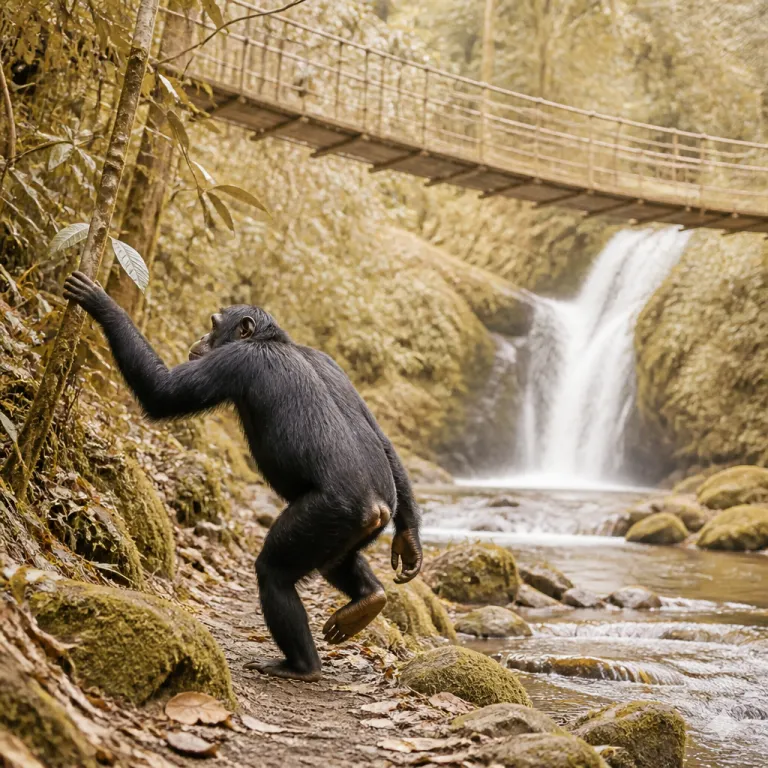
Nyungwe Forest: the anchor of a thoughtful Rwanda itinerary
Why Nyungwe Forest should anchor your travel rwanda itinerary
Nyungwe Forest in southwest Rwanda is where a travel rwanda journey shifts from scenic road trip to deep immersion in one of Africa’s most intact montane rainforests. For solo travellers who value quiet trails and precise guiding, this national park delivers a full day that feels curated hour by hour rather than rushed between viewpoints. When you are visiting Rwanda for more than a quick gorilla stop, Nyungwe rewards you with a slower rhythm that justifies three nights in the park instead of a single tick box stay.
The forest sits at altitude in the southwest of the country, so every step on the trail reminds you that this is not a flat savannah experience. Paths rise and fall sharply, humidity builds, and your guide from Nyungwe National Park’s équipe will pace the group carefully to avoid exhaustion and reduce health risk for less acclimatized travellers. This is where thoughtful travel advice matters more than glossy photos, because understanding the physical reality helps you exercise high awareness of your own limits and enjoy the day rather than endure it.
From a routing perspective, Nyungwe is one of the easiest remote parks in Rwanda to integrate into a wider travel rwanda route. The forest lies far from any international border with the Democratic Republic of the Congo, so travellers face a lower degree of regional risk than around some other Great Lakes frontiers. Most itineraries link Kigali to Nyungwe via a five to six hour scenic drive or a short domestic flight to Kamembe followed by a road transfer of around ninety minutes, which keeps logistics manageable even for solo visitors.
Morning: chimpanzee trek in the mist
The day in Nyungwe Forest starts early, with a 6:00 AM departure for the chimpanzee trek that defines many travel rwanda stories long after the flight home. Trackers move ahead at first light, listening for calls from one of roughly five hundred chimpanzees that roam the forest’s steep gullies and mossy ridges.1 Unlike the more predictable gorilla experiences in Volcanoes National Park, chimpanzee sightings carry a higher degree of uncertainty, which is exactly why the encounter feels so electric when it happens.
Trails can be slick and the pace brisk, so honest fitness assessment is essential for solo travellers planning this part of their travel in Rwanda. You will climb and descend repeatedly over two to four hours, often stepping over roots and ducking under vines while your guide manages both group safety and distance to the animals. This is where comprehensive travel insurance becomes more than a box tick, because a policy that covers evacuation and health services in a remote national park is a quiet form of security you hope never to use.
Park guides deliver clear safety briefings before you enter the forest, including how to avoid behaviour that might increase disease transmission between humans and primates. They will remind you that any sign of fever, respiratory illness, or other health concern is a reason to skip the trek, because protecting wildlife from human disease is a national priority in Rwanda. If you need to reschedule, Nyungwe National Park staff coordinate alternative activities, and your tour operator or hotel can assist with documentation for any insurance claims.
Midday: canopy walkway and the forest at eye level
By late morning, the forest light softens and the focus of your travel rwanda day shifts from primates to perspective on the canopy walkway. Nyungwe’s suspended bridge system, the first canopy walkway in East Africa, stretches for around one hundred and sixty metres and hangs roughly sixty metres above the forest floor.2 For many travellers this is the moment when the scale of the park becomes real, because you are suddenly eye level with epiphytes, orchids, and birds that usually remain abstract names in a field guide.
Access to the canopy walk requires only moderate fitness, but the altitude and height exposure still demand a high degree of self awareness. Safety harnesses, railings, and guided briefings from Nyungwe National Park staff keep the risk profile low, yet solo travellers who are nervous with heights should exercise high caution and communicate clearly with the guide. The walkway is open year round, though your guide may adjust timing to avoid heavy rain, which can reduce visibility and increase the chance of slips on approach paths.
From a practical travel perspective, this is an ideal window to reflect on the broader arc of visiting Rwanda, from Kigali’s design forward hotels to the tea plantations that fringe Nyungwe Forest. If your wider itinerary includes gorilla trekking in Volcanoes National Park, plan your booking timeline and lodge pairings using a specialist resource such as the detailed gorilla trek planning guide on permit and lodge strategy in Rwanda. Thoughtful sequencing of Kigali, Nyungwe, and Volcanoes National ensures that your passport stamps, internal flights, and overland transfers align with park permits, while leaving space for cultural experiences in the capital’s quietly confident nightlife scene, as explored in depth in the Kigali after dark hotel bar guide.
Afternoon: waterfall hike, birdlife and the long view
After lunch, the tempo of your travel rwanda day eases into the waterfall hike, a guided trail of roughly two to three hours that threads through dense forest and open glades. The route is steep in sections and often muddy, so sturdy boots and trekking poles are not a luxury but a form of health protection for knees and ankles. Guides from Nyungwe National Park set a measured pace, pausing often for birdwatching and primate sightings, because this forest shelters more than three hundred and ten bird species and at least thirteen primate species.3
For serious birders, Nyungwe is one of Africa’s richest sites, with twenty seven regional endemics that make visiting Rwanda a priority rather than an add on to a wider Africa circuit.3 Solo travellers often find that hiring a specialist bird guide through reputable services in Kigali or the park itself transforms the experience, because you move from generic forest to a living checklist of sunbirds, turacos, and elusive forest robins. This is also where the value of comprehensive travel insurance and clear travel advice becomes tangible, since a twisted ankle or minor injury on a remote trail is far easier to manage when your policy covers local medical services and evacuation if needed.
As you walk, guides will occasionally reference broader regional health and security dynamics, from yellow fever requirements at some African borders to the way Rwanda manages any potential ebola disease risk in coordination with neighbouring states. While Nyungwe lies far from Lake Kivu, Rubavu District, and the frontier with Congo DRC, national protocols still shape how local authorities respond to any cross border health alerts. For travellers, the practical takeaway is simple travel advice; carry proof of yellow fever vaccination if your route passes through affected countries, monitor official consular updates, and avoid unnecessary risk by following park guidance without improvisation.
Evening at One&Only Nyungwe House and wider Rwanda routing
As the light fades, the most seamless way to end this travel rwanda day is to return to One&Only Nyungwe House, set among working tea plantations on the park’s edge. Here, the forest soundtrack continues as a low constant, while staff orchestrate tea tastings, firelit dinners, and quiet moments on the terrace that feel calibrated for solo travellers who value space as much as service. The transition from muddy boots to polished floorboards is not about excess; it is about giving your body and mind time to absorb a day that has stretched from chimpanzee calls to canopy views and waterfall spray.
From this base, it becomes easier to map the rest of your route through the country, whether you are heading north to Volcanoes National Park or east toward Akagera’s savannah. Many travellers pair Nyungwe with a night or two in Kigali Rwanda at a design led property, using the capital as a cultural lens on the national story explored in depth in the article on Rwanda’s hospitality and cultural memory. For evenings in the city, the guide to Kigali after dark hotel bars and rooftop lounges offers a grounded view of how the capital balances security, discretion, and a slowly growing nightlife confidence.
On the administrative side of travel rwanda, keep your passport, travel insurance details, and any vaccination records accessible but secure, especially if your wider Africa journey includes transits through Lake Kivu hubs such as Rubavu District or cross border routes toward Congo DRC. While Rwanda itself is widely regarded as one of the safest destinations in the region, most foreign ministries still advise travellers to exercise high caution near certain borders with the Democratic Republic of the Congo, and consular assistance may be limited in remote areas. Before departure, consult travel advice from your own high commission or embassy, register your trip if recommended, and note that “Wear sturdy hiking boots. Carry rain gear. Stay hydrated.” is not just a park slogan but a distilled summary of how to respect both Nyungwe’s climate and your own health.
Health, security and practical travel rwanda planning for Nyungwe
Planning a Nyungwe Forest stay through a luxury focused platform such as myrwandastay.com allows solo travellers to align hotel choices with realistic health and security considerations. Rwanda maintains strict national protocols on communicable disease, so you should check whether yellow fever vaccination is required based on your recent travel history, even if you are only visiting Rwanda from another part of Africa. Border officials may request proof of vaccination on arrival, and failure to provide it can lead to denied entry or on the spot vaccination, which many travellers prefer to avoid.
While there have been no recent ebola disease cases in Rwanda, the country coordinates closely with local authorities in neighbouring states, including the Democratic Republic of the Congo, to monitor any regional risk. Official travel advice from your home country will outline whether you should exercise high caution near specific border zones, particularly around Lake Kivu and crossings toward Congo DRC, but these advisories rarely affect Nyungwe itineraries deep inside Rwanda. For added reassurance, consular services from your embassy or high commission in Kigali can clarify how consular assistance would work if you needed medical evacuation from a national park.
Within Nyungwe itself, the main health considerations are altitude, trail steepness, and weather rather than acute security threats, so your packing list should prioritize layered clothing, rain protection, and supportive footwear. Travel insurance that covers guided hikes, canopy activities, and remote medical services is essential, because even a minor injury on the canopy walkway or waterfall trail can generate significant cost without coverage. When you structure your travel rwanda route to include Nyungwe, Kigali, and perhaps Volcanoes National Park or Lake Kivu, you are not only stitching together landscapes but also navigating a web of park regulations, health protocols, and national level security standards that quietly underpin Rwanda’s reputation as one of Africa’s most carefully managed destinations.
From a budgeting and logistics standpoint, factor in park permit fees and booking windows early in your Nyungwe itinerary. Chimpanzee trekking permits typically cost in the low hundreds of US dollars per person, canopy walkway access is priced lower as a half day activity, and waterfall hikes sit somewhere in between; all are subject to periodic revision by park authorities, so confirm current rates before you travel. During peak visiting Rwanda seasons, it is wise to secure permits and accommodation at least three to six months in advance, especially if you are combining Nyungwe with gorilla trekking, when demand for limited daily slots is highest.
FAQ
How long should I stay in Nyungwe Forest to enjoy all three activities ?
To comfortably include the chimpanzee trek, canopy walkway, and waterfall hike in your travel rwanda plan, allocate at least three nights in or near Nyungwe Forest. This allows one full day for the signature trio, plus buffer time in case weather or health considerations require rescheduling. Solo travellers who are keen birders or photographers often extend to four nights to reduce pressure on any single day.
What fitness level is required for the chimpanzee trek and waterfall hike ?
Both the chimpanzee trek and waterfall hike involve steep, sometimes muddy trails at altitude, so a moderate to good fitness level is recommended. You should be comfortable walking for two to four hours with frequent ascents and descents, often on uneven ground. Travellers with knee or heart conditions should seek medical travel advice in advance and discuss limitations with guides before committing.
Is prior booking required for Nyungwe activities and accommodation ?
Advance booking is strongly recommended for all guided activities in Nyungwe National Park, especially the chimpanzee trek which has limited daily permits. High end properties such as One&Only Nyungwe House often coordinate permits and transfers, but you should still confirm details well before travelling. During peak visiting Rwanda seasons, last minute availability for both hotels and park activities can be very limited.
What should I pack for a full day in Nyungwe Forest ?
Pack sturdy hiking boots, moisture wicking layers, a light waterproof jacket, and a small daypack with water and snacks for your travel rwanda day. Binoculars are invaluable for birdwatching on the canopy walkway and waterfall trail, and trekking poles help on steep sections. Do not forget travel insurance documents, passport copies, and any required yellow fever vaccination proof if your route includes other African countries.
Is Nyungwe Forest safe for solo travellers ?
Nyungwe Forest is widely regarded as safe for solo travellers, with guided activities, clear park regulations, and a strong national focus on security. The main risks relate to trail conditions, weather, and personal health rather than crime or conflict, especially as the park lies far from higher risk border zones with the Democratic Republic of the Congo. As always, follow official travel advice, register with your embassy or high commission if recommended, and keep consular assistance contact details accessible.
1 Chimpanzee population estimates for Nyungwe Forest vary by survey; recent figures from conservation organisations and park authorities commonly cite a population in the range of 400–500 individuals, as reflected in Rwanda Development Board and partner reports.
2 Canopy walkway length and height based on figures published by Rwanda Development Board and Nyungwe National Park visitor information, which describe a suspended bridge of approximately 160 metres in length and 60 metres above the forest floor.
3 Bird and primate species counts, including regional endemics, drawn from BirdLife International data and Rwanda Development Board summaries for Nyungwe Forest National Park, which highlight more than 310 bird species, at least 13 primate species, and 27 Albertine Rift endemics.
Image suggestion: panoramic photograph of Nyungwe Forest canopy at sunrise, with the canopy walkway visible in the distance and mist in the valleys (alt text: “Nyungwe Forest National Park canopy walkway above misty montane rainforest in southwest Rwanda at sunrise”).