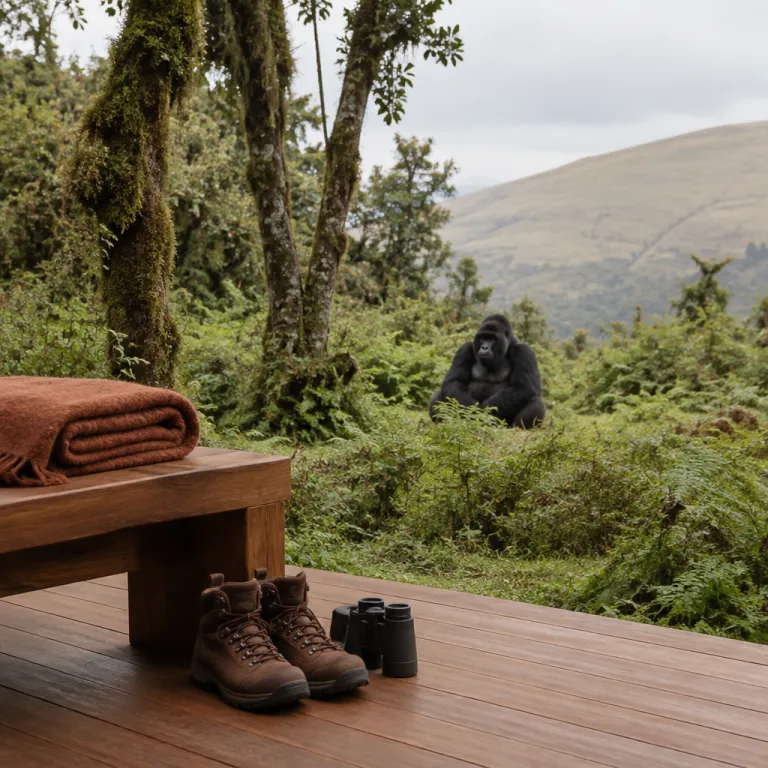
Gorilla hiking in Rwanda for luxury travelers
Gorilla hiking in Rwanda blends rare wildlife access with refined hotel comfort. In this compact country, high-end visitors can pair a gorilla trek with spa rituals, curated dining, and seamless transfers between national parks. The result is a trip where every day feels both deeply immersive and reassuringly well planned.
Luxury lodges near Volcanoes National Park understand that guests arrive for mountain gorillas yet expect discreet service and privacy. Many properties coordinate permits for gorilla trekking, arrange private guides for gorilla tracking, and manage the logistics of transfers from Kigali or even from Uganda. When you book a premium stay, the hotel’s concierge will often handle every detail of your gorilla trek so you simply wake, sip coffee, and step into the waiting 4x4.
For travelers comparing gorilla hiking in Rwanda with similar experiences in Uganda or the Democratic Republic of the Congo, the difference often lies in infrastructure and safety. Rwanda’s road network, compact distances, and polished hospitality scene make a short day itinerary surprisingly efficient, even when you add extra days for safari or city stays. According to the Rwanda Development Board, visitor numbers are carefully managed through a limited daily quota of gorilla permits, which helps keep encounters calm and controlled. Luxury hotels also help you plan trip timings around park headquarters briefings, ensuring your gorilla treks start smoothly and finish with a warm welcome back at your suite.
Choosing a luxury base near Volcanoes National Park
Staying close to Volcanoes National Park is essential when your focus is gorilla trekking. Most gorilla treks begin early in the day at the park headquarters, so a nearby luxury lodge reduces transfer time and lets you arrive rested and calm. This proximity also allows you to spend time enjoying slow breakfasts or late dinners without worrying about long drives in the dark.
Premium properties around this national park typically offer private villas, fireplaces, and panoramic view terraces facing the mountain peaks. From these terraces you can often see the mist lifting over the volcanic range, a reminder that mountain gorillas live just beyond the tree line. Many hotels curate multi day packages that combine one gorilla trek, a second day of gorilla tracking or golden monkey trekking, and a cultural tour of nearby villages.
Travelers who enjoy curated urban stays sometimes pair their gorilla hiking Rwanda adventure with city based guided tours elsewhere. For inspiration on how elegant hotels integrate guided experiences, you can look at this model of immersive city stays with guided tours, then apply similar expectations to your chosen lodge in Rwanda. Ask whether your hotel can book gorilla permits, arrange private treks, and coordinate a bespoke tour that fits your preferred number of days.
Designing a gorilla focused itinerary with premium stays
A thoughtful gorilla hiking Rwanda itinerary usually starts in Kigali, then moves to the mountains. Many travelers spend one night in a luxury city hotel to rest from long flights, then transfer the next day to their lodge near Volcanoes National Park. This pattern keeps the trip balanced, with time for both urban culture and remote wilderness.
For a three days stay focused on mountain gorillas, you might arrive in Kigali, drive to the park area, and settle into your suite before your first trek. The second day Rwanda experience could center on a full gorilla trek, returning to the lodge for a massage, a slow lunch, and perhaps a short tour of local communities. On the third day, some guests choose a second gorilla trekking permit, while others opt for a scenic safari style drive around the park or a relaxed morning before heading back to the city.
Those with more days can extend their trip to Lake Kivu, using the hotel to hotel water route on Lake Kivu to connect different premium properties. This approach turns your gorilla treks into one chapter of a wider national journey that might also include Akagera National Park for classic safari wildlife. When you plan trip details with a specialist platform, you can book gorilla permits, secure top tier rooms, and sequence each tour so that travel days feel as relaxed as lodge days.
From Volcanoes National Park to Bwindi and beyond
Many seasoned travelers compare gorilla hiking Rwanda with experiences in Bwindi Impenetrable National Park in Uganda. Bwindi Impenetrable offers dense forest, steep slopes, and a different style of gorilla tracking, often combined with community visits and birding. Some luxury guests design multi country trips that include both national parks to appreciate how mountain gorillas adapt to varied habitats.
Cross border itineraries can also link Rwanda with the Democratic Republic of the Congo, where lowland gorillas inhabit distinct ecosystems. In the eastern Democratic Republic, certain national parks host both lowland gorillas and other primates, though logistics and security require careful planning with reputable operators. A few high end travelers even add the Republic of Congo to their route, where lowland gorillas live in swampy forests that contrast sharply with the volcanic slopes of Rwanda.
When you book gorilla focused journeys across Rwanda, Uganda, and the Republic Congo region, luxury hotels become crucial anchors. They coordinate transfers between park headquarters, manage border crossings, and ensure that each day’s trek or tour ends with reliable comfort. This style of travel lets you read deeply about conservation, then step into different national landscapes while always returning to a calm, well run retreat.
What to expect on a luxury gorilla trek day
A typical gorilla hiking Rwanda day begins before sunrise with a quiet wake up call. After a light breakfast, your driver takes you from the lodge to the Volcanoes National Park headquarters, where rangers brief small groups on gorilla trekking etiquette and safety. Here you learn how long your trek might last, which gorilla family you will visit, and what terrain to expect.
Once you enter the park, the pace shifts from vehicle to foot as the gorilla tracking team leads you through farmland, bamboo, and dense forest. Treks can last from one to several hours, depending on where the gorillas moved during the night and how quickly the trackers locate them. When the guides finally signal that the gorilla family is near, you leave bags with porters and approach quietly for your strictly timed hour of observation.
During this precious time you can view gorillas grooming, feeding, or playing, always at a respectful distance. Rangers share stories about individual mountain gorillas, explain how gorilla treks support conservation, and sometimes reference the legacy of Dian Fossey in protecting these animals. One guest described the moment a young gorilla paused to watch the group in silence, rain tapping softly on leaves, as “the instant the forest felt like a shared home rather than a backdrop.” After the trek, your driver returns you to the hotel, where many luxury properties offer spa treatments, heated pools, and refined dining to help you unwind from the physical effort of the day.
How luxury booking platforms elevate gorilla adventures
Specialized luxury booking platforms in Rwanda now act as curators for gorilla hiking Rwanda journeys. Rather than leaving you to coordinate national park permits, transfers, and hotel availability alone, these services centralize everything into one seamless itinerary. They also maintain close relationships with park headquarters staff and lodge managers, which helps secure last minute adjustments when weather or tracking conditions change.
On a well designed platform you can read detailed lodge profiles, compare view categories, and see which properties include guided treks or cultural excursions. Some sites highlight how Rwanda’s new luxury booking pipeline elevates wellness focused stays, as explained in this overview of spa and wellness retreats linked to premium hotels. This same pipeline benefits gorilla trekking guests, who can book gorilla permits, spa treatments, and private tour extensions in a single, transparent process.
For travelers planning complex trips that include multiple national parks, cross border treks, or extra safari days, a trusted platform becomes a strategic partner. It helps you plan trip pacing, align gorilla tracking dates with lodge availability, and ensure that each trek or tour fits your fitness level. When every booking is handled by one expert team, you can simply focus on the anticipation of meeting gorillas in their mountain home.
Key figures on gorilla tourism and conservation
- Rwanda’s mountain gorillas are part of a transboundary population of over 1 000 individuals across Volcanoes National Park, Bwindi Impenetrable National Park, Mgahinga Gorilla National Park, and Virunga National Park, showing a steady recovery from fewer than 300 individuals several decades ago (International Union for Conservation of Nature data and Greater Virunga Transboundary Collaboration reports).
- Gorilla trekking permits in Rwanda are limited to a small number of visitors per gorilla family each day, which helps control human impact while generating high value revenue for conservation and community projects (Rwanda Development Board policy statements and permit guidelines).
- Studies from conservation organizations indicate that a significant share of national park tourism revenue in Rwanda is reinvested into local communities through infrastructure, education, and health projects, strengthening support for gorilla protection (Rwanda Development Board revenue sharing program updates).
- Cross border gorilla tourism involving Rwanda, Uganda, and the Democratic Republic of the Congo contributes tens of millions of US dollars annually to regional economies, underlining the importance of stable, well managed national parks (regional tourism and conservation partnership reports).
FAQ about luxury gorilla hiking in Rwanda
How many days should I allocate for gorilla hiking in Rwanda ?
Most luxury travelers allocate at least three days, with one day for arrival and acclimatization, one full day for a gorilla trek, and another day either for a second trek or for relaxation and cultural activities. Those combining Rwanda with Uganda or the Democratic Republic of the Congo often extend to five or more days. Extra time allows for weather flexibility and a more relaxed pace between national parks.
When should I book gorilla permits and hotels ?
Gorilla trekking permits and top tier lodges near Volcanoes National Park often sell out months in advance, especially during peak dry seasons. It is wise to book gorilla permits and accommodation at the same time, ideally through a specialized luxury platform or trusted tour operator. As a practical guideline, many travelers secure permits three to six months ahead of travel to improve their choice of view categories, suite types, and preferred trek dates.
What fitness level is required for a gorilla trek ?
Gorilla hiking Rwanda involves walking on uneven, sometimes steep terrain at moderate altitude, so a reasonable level of fitness is important. Treks can range from short walks of about one hour to longer hikes of several hours, depending on where the gorilla family is located. Guests with specific concerns should discuss options with their hotel or operator, who can request shorter or longer treks when possible.
Can I combine gorilla trekking with a classic safari ?
Yes, many itineraries pair Volcanoes National Park with Akagera National Park for a traditional safari that includes lions, elephants, and other savannah wildlife. Luxury travelers often start with gorillas in the mountains, then move to Akagera for a few days of game drives and lakeside relaxation. This combination offers a rich contrast between forest treks and open plains while using a network of premium hotels.
Is gorilla tourism ethical and safe for the animals ?
Gorilla trekking in Rwanda follows strict guidelines set by park authorities, including limited group sizes, minimum viewing distances, and time caps with each gorilla family. These rules, combined with health protocols and ranger supervision, aim to minimize stress and disease risk for the gorillas. Revenue from permits and high end tourism supports anti poaching patrols, habitat protection, and community projects that reduce pressure on the forests.